Old Nest Learning Thermostats Still Viable After Official Support Ends
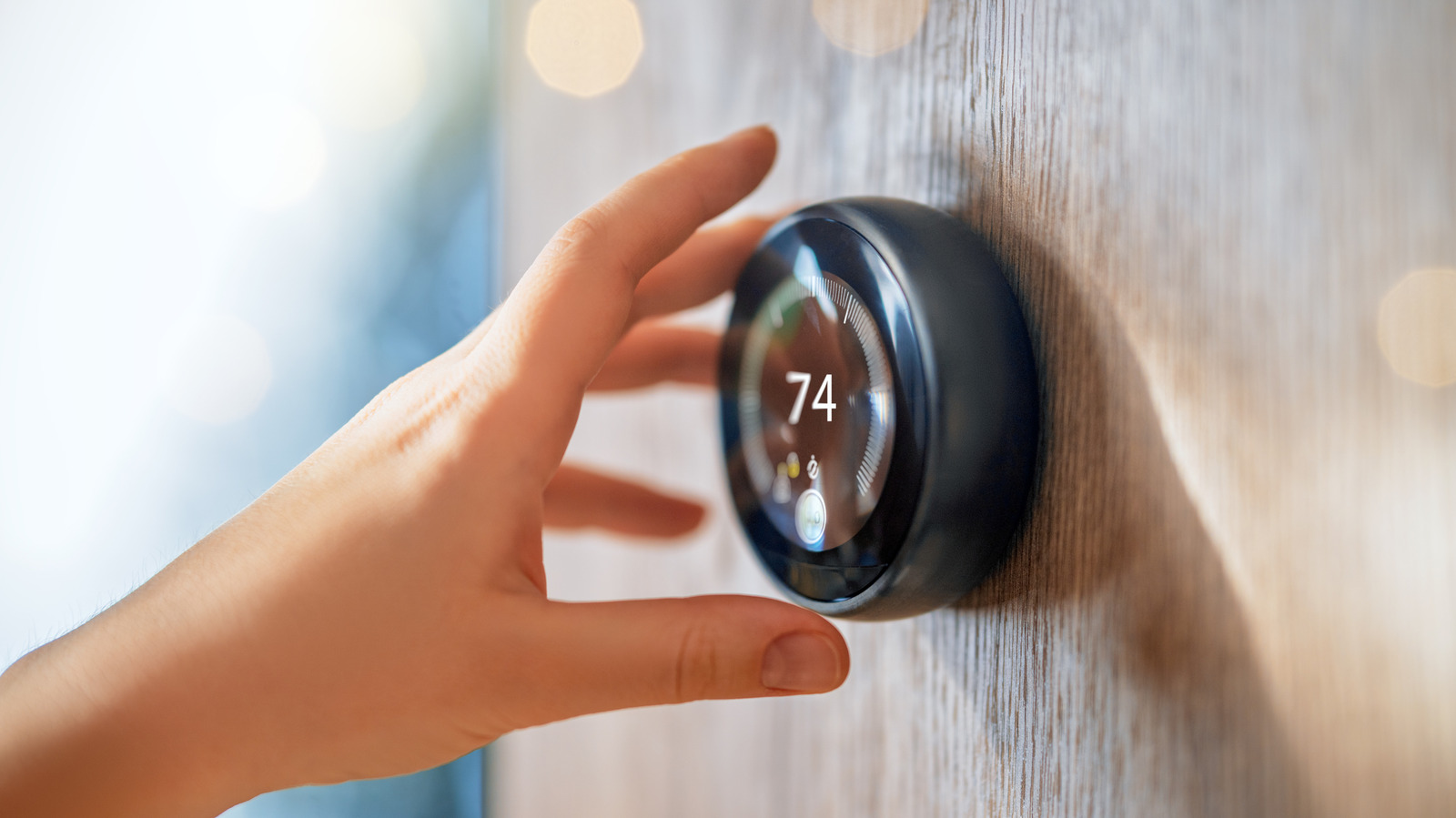
Homeowners with first- or second‑generation Nest Learning Thermostats are facing a familiar dilemma: the devices no longer receive software updates from Google, but many wonder whether they should be discarded or can still serve a purpose. While official support has tapered off, the thermostats continue to regulate temperature and can be integrated into existing home‑automation setups without the latest cloud features.
Google, which acquired Nest in 2014, has gradually shifted its focus to newer hardware and a cloud‑centric ecosystem. As a result, older models are excluded from recent firmware releases and security patches. The practical implication is that users lose access to features such as energy‑saving insights, remote control via the Nest app, and integration with newer Google Home services.
Despite the loss of official updates, the core functionality of the Nest Learning Thermostat—its ability to maintain set temperatures and learn user patterns—remains intact. Many users report that the devices continue to operate reliably for years after support ends, provided the hardware itself is in good condition. This longevity aligns with broader concerns about electronic waste, as extending the life of functional devices reduces the environmental impact of premature disposal.
For those who want to retain smart capabilities, third‑party platforms like Home Assistant, OpenHAB, or Apple HomeKit can bridge the gap. These open‑source hubs often communicate with Nest hardware via local APIs or unofficial integrations, allowing users to automate heating schedules, trigger scenes, or monitor energy usage without relying on Google's cloud services. Setting up such integrations typically requires a modest amount of technical know‑how but offers a path to keep older Nest units relevant.
Another option is to repurpose the thermostat as a conventional, non‑smart controller. By disabling the Wi‑Fi connection and using the manual dial, the device can continue to manage heating and cooling without any network exposure. This approach eliminates any lingering security concerns tied to outdated firmware while preserving the aesthetic and functional value of the Nest design.
Looking ahead, consumers weighing a replacement should consider the total cost of ownership, including potential subscription fees for advanced features on newer models. Meanwhile, the market for refurbished Nest thermostats remains active, offering a middle ground for those who desire updated software support without purchasing brand‑new hardware. Ultimately, the decision hinges on individual priorities: whether to embrace newer technology, maintain a functional legacy device, or contribute to a more sustainable approach by extending the lifespan of existing equipment.


Comments (0)
Be the first to comment.
Join the discussion