Trump Pushes ‘Super Intelligence’ Rebrand, Claims AI CEOs Are On Board
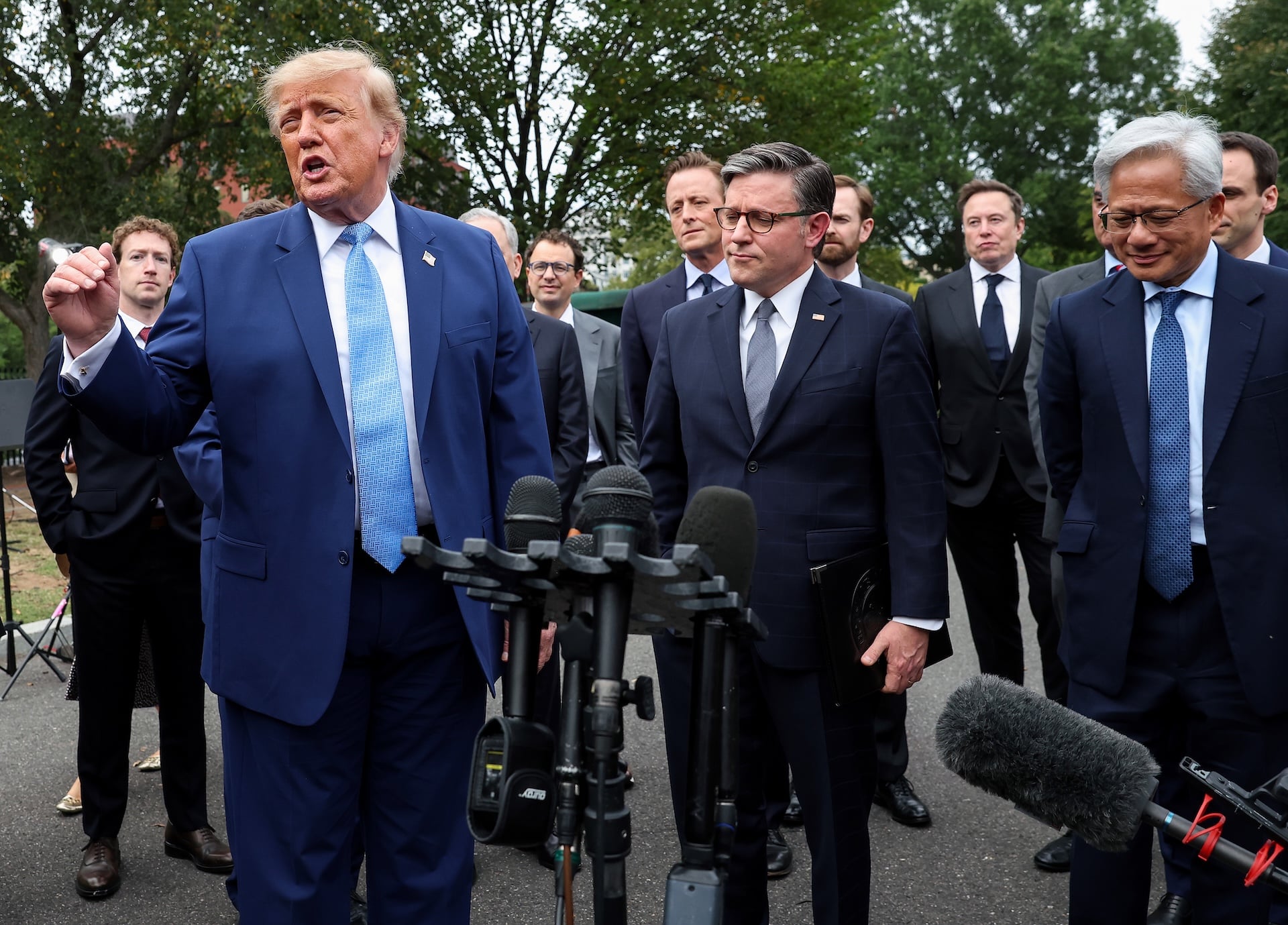
Former President Donald Trump has publicly urged the technology sector to adopt the label “Super Intelligence” for artificial‑intelligence systems, asserting that leading private‑sector AI executives are already supportive of the rebranding effort.
Speaking at a recent event, Trump suggested that the term “Super Intelligence” would better capture the transformative potential of AI and help frame public discourse around its benefits. He did not provide a list of specific CEOs or companies, but indicated that conversations with industry leaders had yielded a positive response to the proposed nomenclature.
The claim arrives amid growing debate over how best to describe and regulate rapidly advancing AI technologies. Critics argue that the term “Super Intelligence” could obscure the nuanced risks associated with powerful models, while proponents see it as a way to emphasize the strategic importance of AI for national competitiveness.
Industry observers note that AI firms have been cautious about endorsing any single label that might influence policy or public perception. While some executives have spoken about the need for responsible development, none have formally aligned with Trump’s branding initiative. Analysts point to the absence of official statements from major AI companies as evidence that the claim of broad support remains unverified.
Trump’s push reflects a broader pattern of his engagement with emerging technologies, a theme that has featured in his political messaging since leaving office. By framing AI as “Super Intelligence,” he seeks to position himself as a forward‑looking voice on a topic that is increasingly central to economic and security agendas.
The next steps are uncertain. If the rebranding gains traction, it could shape legislative language and public understanding of AI. However, without clear endorsement from the tech community, the effort may remain symbolic. Stakeholders in both government and industry will likely watch closely to see whether the terminology influences upcoming policy discussions or remains a rhetorical device.


Comments (0)
Be the first to comment.
Join the discussion