Trump Appoints National Intelligence Director Jay Clayton to Head New AI ‘Super Intelligence’ Initiative
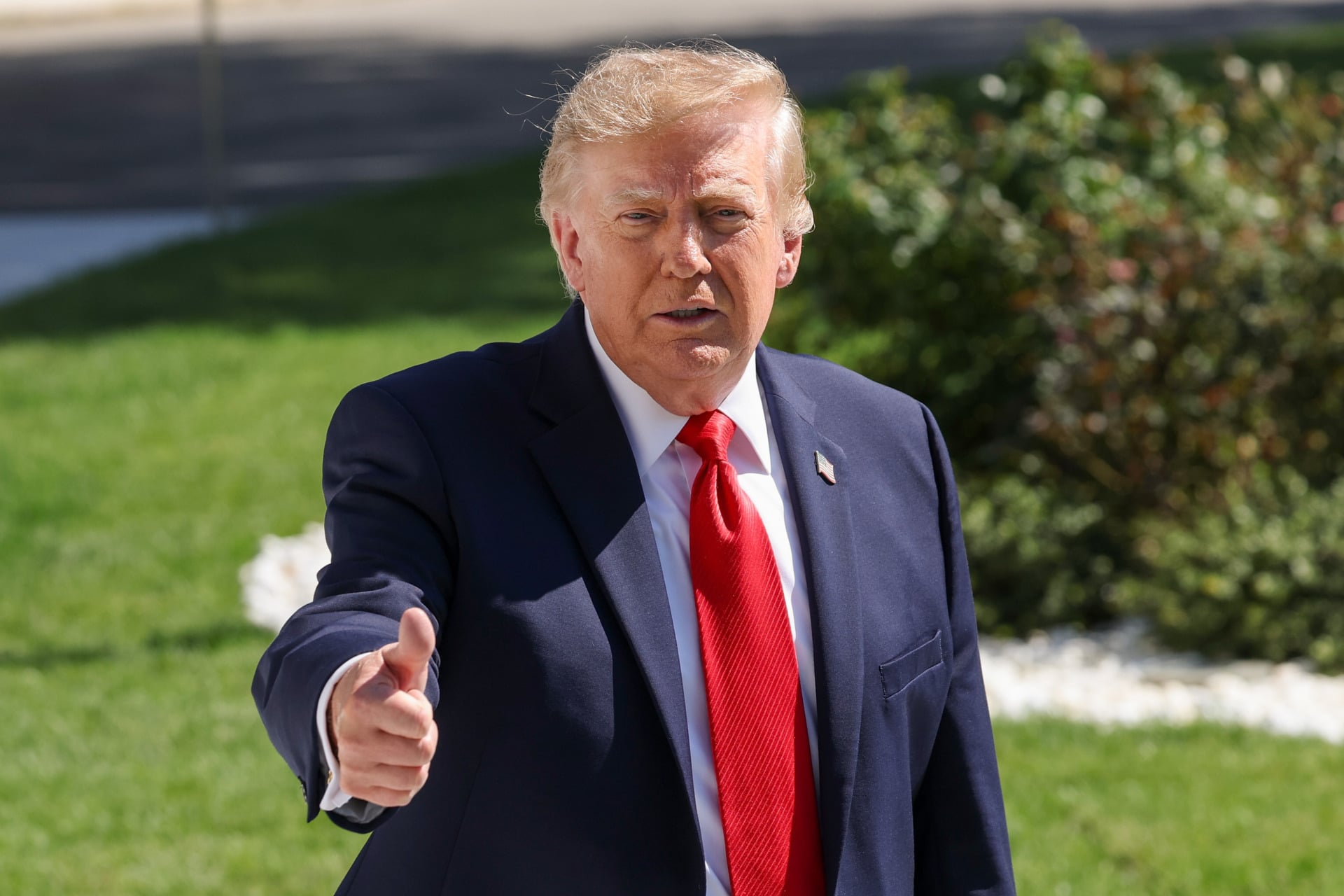
President Donald Trump announced that National Intelligence Director Jay Clayton will serve as the head of a newly formed artificial intelligence task force, a role the administration has dubbed the "Super Intelligence Czar." The move places the senior intelligence official at the forefront of the White House's effort to coordinate policy on rapidly advancing AI technologies.
Clayton, who oversees the United States' intelligence community, will now be responsible for aligning the work of multiple federal agencies on AI research, development, and regulation. The position is intended to provide a single point of accountability for issues ranging from national security implications of generative AI to the economic impact of automation across industries.
The appointment reflects growing bipartisan concern about the pace of AI innovation and its potential risks. Lawmakers and industry leaders have warned that without a coordinated strategy, the United States could fall behind rivals in both technological capability and the establishment of norms governing AI use. By elevating the task force under an intelligence official, the administration signals that it views AI not only as an economic driver but also as a strategic asset and possible threat.
While the title "Super Intelligence Czar" is novel, the concept of a high‑level coordinator for AI policy is not new. The previous administration created a National AI Initiative Office within the White House, and several countries have appointed chief AI officers to steer national strategies. Trump's decision to place the role within the intelligence community underscores a focus on security considerations, such as the potential for AI-generated misinformation, autonomous weapons, and espionage.
Industry observers note that Clayton's background in intelligence could bring a security‑first perspective to the task force, but they also caution that effective AI governance will require input from technologists, ethicists, and the private sector. The administration has indicated plans to convene regular meetings with stakeholders from academia, Silicon Valley, and defense contractors to shape guidelines and research priorities.
Critics have raised questions about the concentration of authority in a single individual and the lack of legislative oversight for the new office. Advocacy groups argue that transparent processes and public reporting will be essential to maintain trust as the government navigates issues like data privacy, algorithmic bias, and the deployment of AI in law enforcement.
Looking ahead, the task force is expected to produce a strategic roadmap within the next several months, outlining short‑term actions and longer‑term goals for the United States' AI ecosystem. The plan may include recommendations for funding research, establishing standards for AI safety, and developing international partnerships to address cross‑border challenges.
As AI continues to reshape the economic and security landscape, the creation of the "Super Intelligence" role signals a heightened priority for coordinated policy. Whether Clayton's leadership will bridge the gap between intelligence concerns and broader societal implications remains to be seen, but the appointment marks a clear step toward a more centralized approach to managing the technology's rapid evolution.



Comments (0)
Be the first to comment.
Join the discussion