Trump‑leaning states drive majority of new U.S. solar capacity
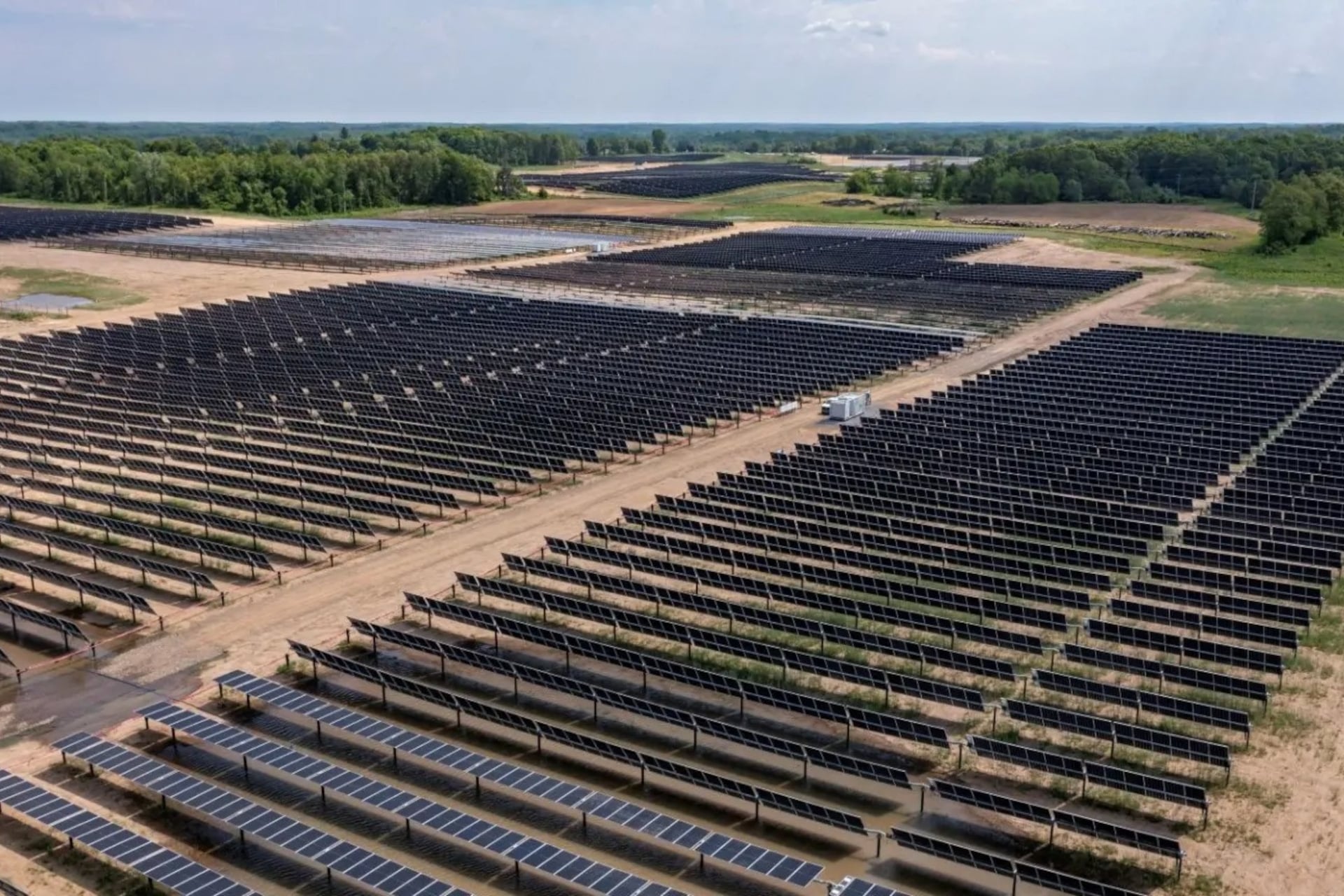
New data show that more than 70% of the nation’s recent solar power additions are occurring in states that voted for Donald Trump in the 2020 election, highlighting a geographic shift in the clean‑energy surge that has traditionally been associated with Democratic‑leaning regions.
The analysis, based on utility‑scale and distributed‑generation projects reported through the first half of 2024, points to states such as Texas, Florida, Ohio and the Carolinas as the primary contributors to the latest wave of installations.
Historically, the bulk of solar growth has been concentrated in coastal states with strong liberal voting records, where generous subsidies and aggressive renewable‑energy mandates have propelled development. The current trend reflects falling solar‑panel costs, the scaling of large‑area farms, and the appeal of solar as a hedge against volatile fossil‑fuel prices, even in jurisdictions with more conservative leadership.
Nevertheless, the expansion unfolds amid a policy environment that is increasingly skeptical of renewable incentives. Several Republican‑controlled legislatures have introduced or passed measures that restrict net‑metering arrangements, limit third‑party ownership models, or reduce state‑level tax credits, creating uncertainty for developers and investors.
Proponents argue that the economic benefits—new jobs, local tax revenue, and enhanced grid resilience—are compelling reasons for states to embrace solar despite partisan debates. In regions historically dependent on oil, gas, or coal, solar projects are beginning to diversify the energy mix and provide a pathway toward a more balanced economy.
Looking ahead, the federal Investment Tax Credit, which currently subsidizes a portion of solar costs, is scheduled to phase down in the coming years. Without robust state support, analysts warn that the growth rate could decelerate, especially if hostile legislation intensifies.
The emerging pattern suggests that market forces can outweigh political rhetoric, but the long‑term trajectory of the solar boom will hinge on how state policymakers reconcile fiscal concerns with the economic opportunities presented by renewable energy.


Comments (0)
Be the first to comment.
Join the discussion