Trump Administration Bars Microsoft and Other Tech Giants from H‑1B to Green Card Sponsorship
The White House announced on Thursday that Microsoft Corp. and a handful of other technology firms are no longer eligible to participate in a federal program that helped H‑1B visa holders transition to permanent residency. The move effectively ends the companies' ability to sponsor those foreign workers for employment‑based green cards under the specific pathway that had been in place for years.
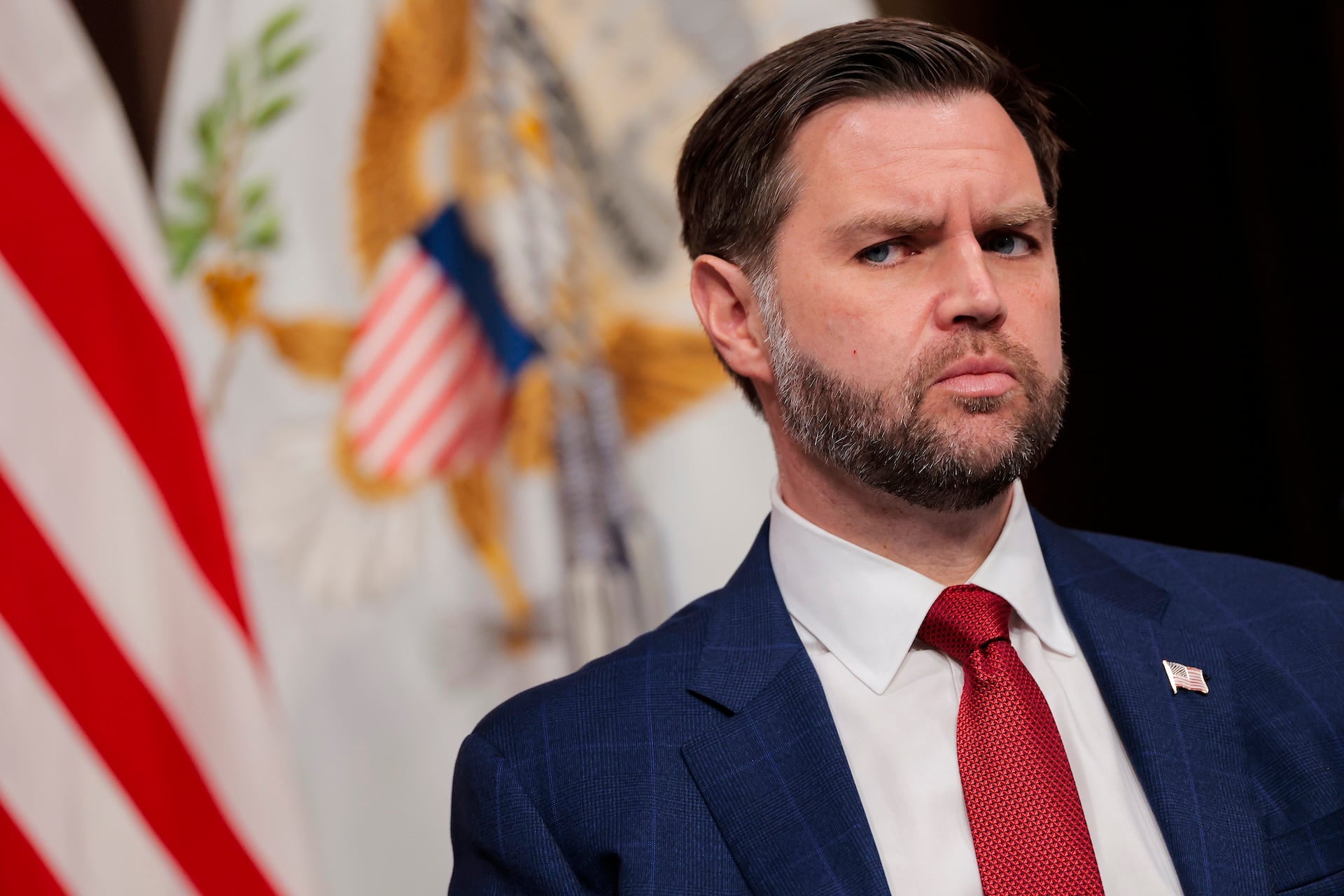
The decision was disclosed by Vice President JD Vance, who said the administration is tightening immigration rules to prioritize American workers. Vance emphasized that the change reflects a broader effort to curb what officials describe as “unfair competition” from overseas talent in the high‑skill labor market.
Under the previous framework, eligible employers could file labor‑certification applications on behalf of H‑1B employees, a process that often served as the first step toward a green card. The suspension removes that avenue for the named companies, forcing them to rely on alternative, and often lengthier, immigration channels or to adjust hiring practices.
The policy shift aligns with the Trump administration’s longstanding focus on restricting legal pathways for foreign workers. Earlier actions included tightening criteria for H‑1B visas, increasing scrutiny of employer petitions, and raising the minimum wage thresholds for certain visa categories. Critics argue that such measures could hamper the tech sector, which has traditionally depended on a steady stream of skilled immigrants to fill specialized roles.
Industry observers note that Microsoft has long been a major sponsor of foreign talent, citing internal reports that a significant portion of its engineering staff holds H‑1B status. The suspension could prompt the company to reevaluate recruitment strategies, potentially accelerating efforts to train domestic workers or to shift resources to jurisdictions with more favorable immigration policies.
Legal experts predict that the affected firms may challenge the ruling in court, arguing that the abrupt policy change disrupts established contractual obligations and could violate procedural due‑process standards. Meanwhile, the administration has signaled that the restriction could be expanded to additional sectors if it deems necessary.
The broader implications remain uncertain. While the move is intended to protect American jobs, it also raises questions about the United States’ ability to maintain its competitive edge in technology innovation. Future administrations may revisit the policy, and ongoing debates in Congress could shape the next iteration of the nation’s high‑skill immigration system.

Comments (0)
Be the first to comment.
Join the discussion