Federal Judge to Rule on Trump’s $100,000 Early‑Access Offer for Truth Social Posts
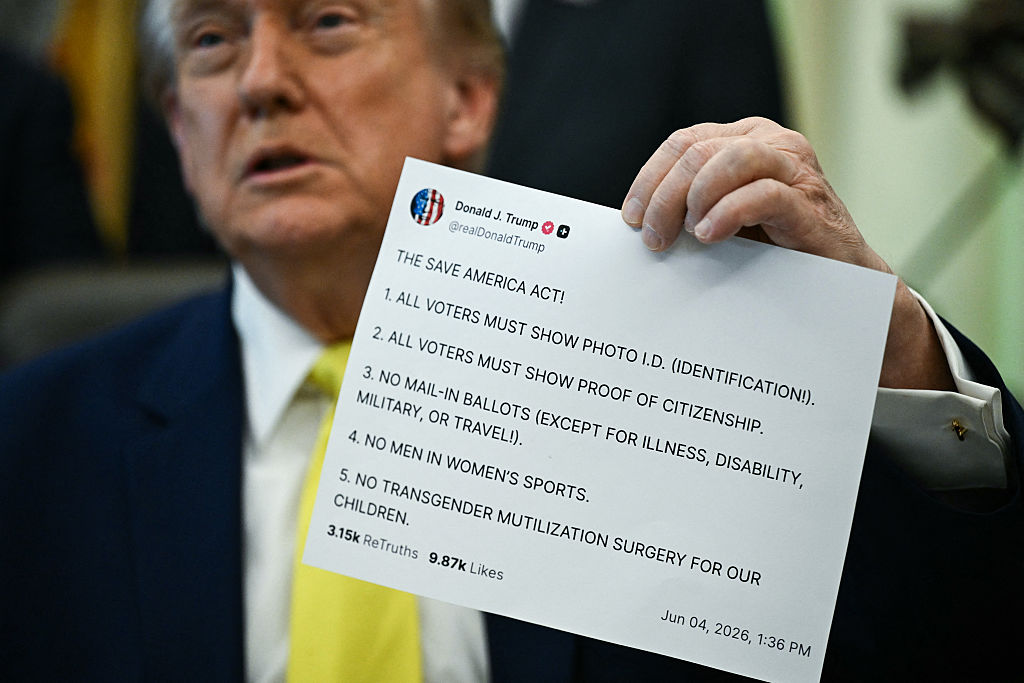
A federal judge is expected to issue a ruling in the coming weeks on whether former President Donald Trump may legally charge $100,000 for subscribers to receive early access to his Truth Social posts, a move that would make him the first U.S. president to profit directly from the sale of government‑related information.
During a hearing on Wednesday, a Department of Justice civil attorney identified only as Brantley argued that the proposed subscription model blurs the line between private enterprise and the public’s right to access official communications, raising potential violations of federal ethics statutes and the Emoluments Clause.
Trump’s plan, announced through a series of statements on his own platform, would allow paying members to view his posts before they appear to the general public. The former president has previously explored monetization strategies for Truth Social, but the $100,000 price tag represents a dramatic escalation that has drawn scrutiny from both legal scholars and watchdog groups.
Legal experts note that the core question centers on whether the content qualifies as “government information.” If the posts are deemed official statements made in the capacity of the presidency, they could be subject to the Presidential Records Act and the Freedom of Information Act, which generally prohibit commercial exploitation. Conversely, the defense contends that the posts are personal expressions, protected by the First Amendment, and therefore not subject to the same restrictions.
Should the judge side with Trump, the decision could set a precedent for future officeholders to monetize access to their communications, potentially reshaping the relationship between public office and private profit. Critics warn that such a model could create a tiered information system, privileging wealthy subscribers over ordinary citizens.
The court’s ruling is expected within the next few weeks, after which either party may seek appellate review. The outcome will likely influence ongoing debates about transparency, ethics, and the commercialization of political speech, as well as the broader conversation about the role of social media in modern governance.



Comments (0)
Be the first to comment.
Join the discussion