Massive Fish Die-Off Plagues River Pool Amidst Pollution Inquiry
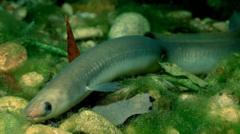
An extensive ecological incident has unfolded along a stretch of the River Pool, where thousands of fish have been discovered dead, prompting an urgent investigation into the cause of what authorities are labeling a pollution mystery. The grim discovery, made within a park setting, has raised significant concerns about local water quality and the health of the aquatic ecosystem.
Among the species found deceased were eels, typically resilient inhabitants of freshwater systems, alongside sticklebacks, gudgeon, and stone loach. The sheer volume of fatalities suggests a sudden and potent environmental contaminant, impacting a broad spectrum of the river's fish population and signaling a severe disruption to the natural balance.
The River Pool, like many urban waterways, supports a diverse array of life, and the loss of thousands of individuals, especially varied species, represents a substantial blow to its biodiversity. Eels, for instance, are migratory and play a crucial role in the food web, while sticklebacks and gudgeon are common indicators of river health. The incident underscores the fragility of these ecosystems, even within protected parkland.
Environmental agencies are expected to launch a comprehensive investigation, collecting water samples and examining the deceased fish for clues regarding the nature and source of the pollutant. Potential causes of such a widespread die-off can range from accidental chemical spills and industrial discharges to agricultural runoff or even sewage contamination, though specifics remain unknown at this early stage.
Community members and park visitors are likely to be concerned by the event, as healthy waterways are integral to both local wildlife and human enjoyment of green spaces. The presence of a significant pollutant could pose risks beyond the immediate aquatic life, potentially affecting other animals that rely on the river for water or food, and impacting the overall environmental quality of the park.
Identifying the precise contaminant and its point of entry into the River Pool will be critical. This information is vital not only for understanding the immediate impact but also for implementing remediation strategies and preventing similar incidents in the future. Environmental protocols often include tracing potential sources through drainage networks or industrial sites upstream.
As the investigation progresses, updates from environmental authorities will be closely watched. The focus will be on swiftly determining the origin of the pollution to mitigate further damage and ensure the long-term recovery of the River Pool's invaluable ecosystem within the park. The full extent of the ecological damage and the timeline for recovery remain uncertain pending the findings of the ongoing inquiry.


Comments (0)
Be the first to comment.
Join the discussion