Custom Wood‑Cased ‘Heartwood’ PC Melds RTX 5090 Power with Desk‑Integrated Design
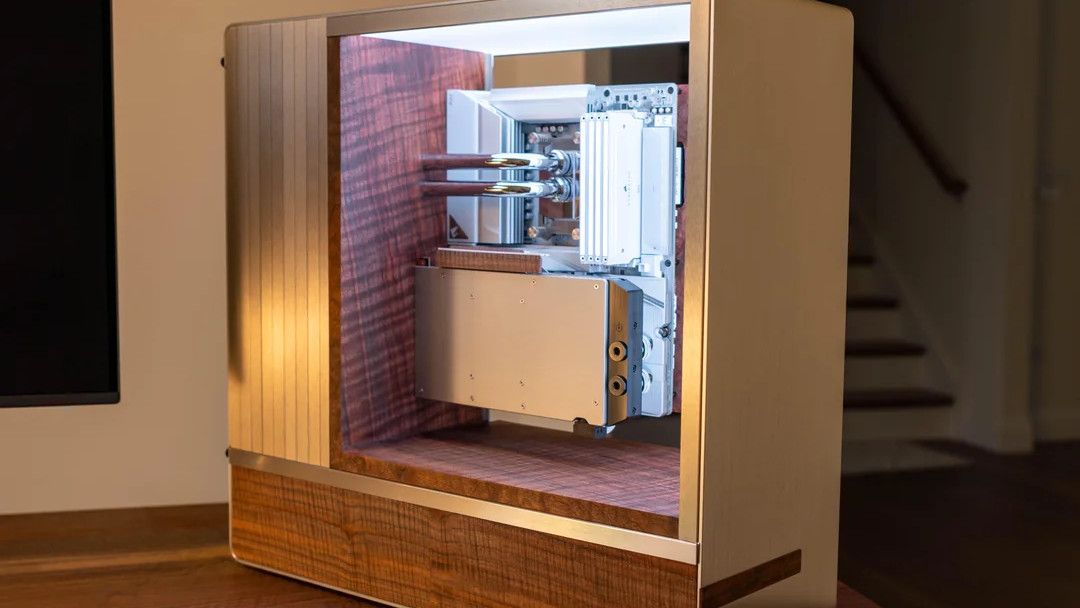
A seven‑year‑long effort has produced a one‑of‑a‑kind gaming rig dubbed “Heartwood,” a wooden chassis that houses an RTX 5090 graphics card while seamlessly integrating into a desk’s structure. The project, first highlighted by TechRadar, showcases how high‑performance hardware can coexist with natural materials without sacrificing aesthetics or functionality.
Unlike conventional cases that conceal cables and cooling components inside a metal shell, Heartwood routes its thermal pipes and power cords beneath the work surface. By channeling these elements through a concealed conduit that runs under the desk, the visible portion of the machine remains remarkably tidy, giving the impression of a solid block of polished timber rather than a cluttered computer.
The choice of wood as the primary building material reflects a growing niche among PC enthusiasts who prioritize visual harmony with their surroundings. Craftsmen have long experimented with hardwoods for their acoustic and thermal properties, but the Heartwood build pushes the concept further by embedding the system directly into furniture, turning a typical gaming setup into a piece of functional art.
Technical considerations were paramount throughout the seven‑year development cycle. The RTX 5090, one of the most demanding GPUs on the market, generates significant heat that must be dissipated efficiently. By externalizing the cooling loop, the designers avoided the spatial constraints of an interior chassis, allowing larger radiators and longer tubing to operate unobtrusively beneath the desk. This approach also simplifies future upgrades, as components can be accessed without dismantling the wood exterior.
Industry observers note that the Heartwood project underscores a broader trend toward bespoke computing solutions. While mass‑produced cases dominate the market, a segment of consumers is willing to invest time and resources into personalized builds that reflect personal taste and interior design. The lengthy construction timeline highlights both the challenges and the dedication required to blend cutting‑edge performance with artisanal craftsmanship.
Looking ahead, the Heartwood prototype may inspire other builders to explore hybrid designs that separate functional hardware from visual presentation. As component power continues to rise and design sensibilities evolve, solutions that hide complexity while maintaining optimal cooling could become more mainstream, especially among users who view their PCs as both tools and statement pieces.



Comments (0)
Be the first to comment.
Join the discussion