New Hiking Exoskeleton Promises Relief for Knee Pain on the Trail
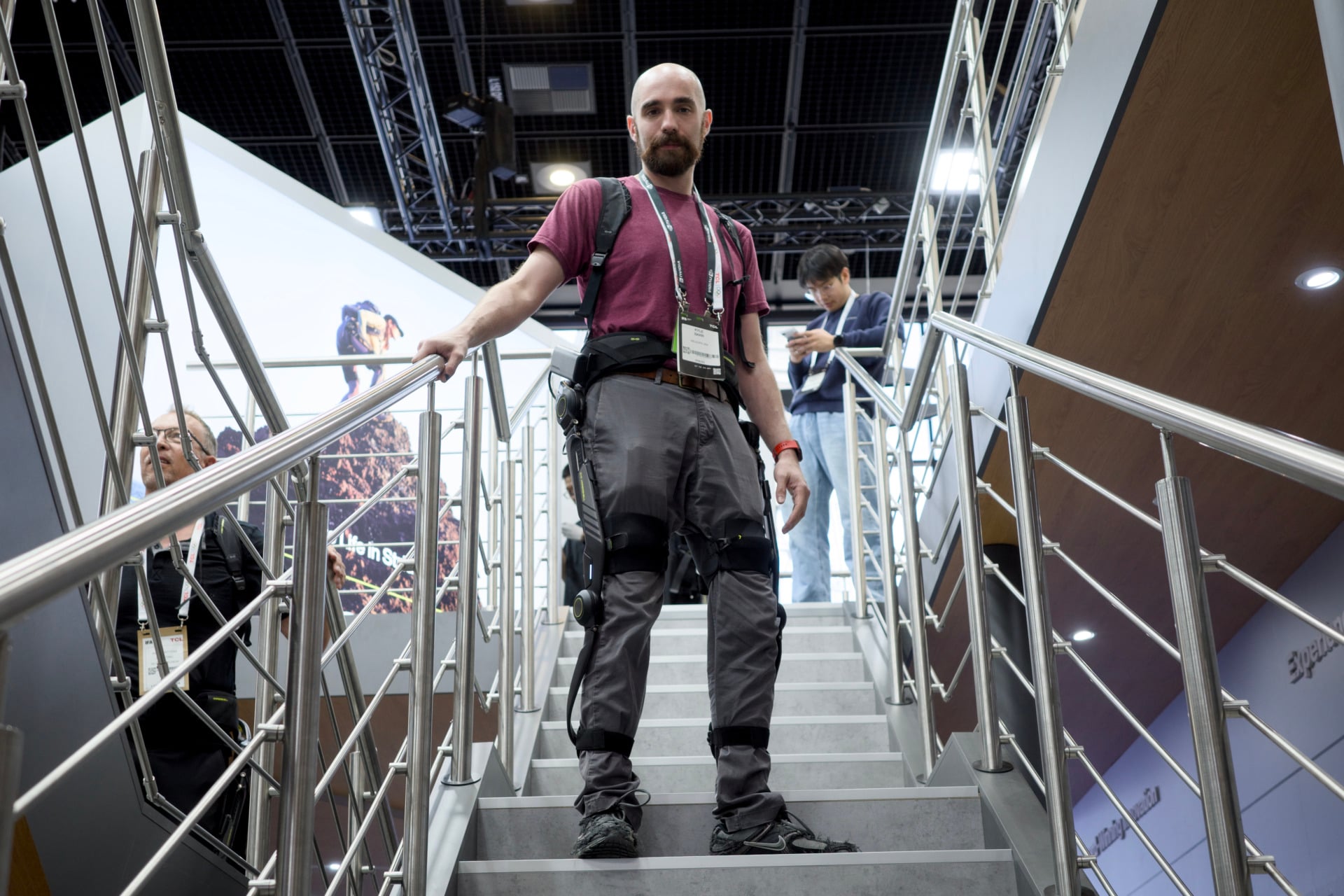
A lightweight wearable device called the Hypershell Halo is being marketed as a game‑changer for hikers who struggle with knee discomfort, offering mechanical assistance that lifts the legs while walking uphill or over uneven terrain.
The Halo resembles a sleek, carbon‑fiber brace that wraps around the thigh and shank, linking to a small battery‑powered actuator. When the wearer steps, sensors detect the motion and the actuator provides a modest boost that reduces the load on the knee joint. Early testers report that the assistance feels natural, allowing them to maintain a normal stride without the jerky motions sometimes associated with older exoskeleton prototypes.
Developed by a startup focused on outdoor‑equipment innovation, the technology builds on research originally intended for medical rehabilitation. By adapting the same principles to a rugged, weather‑proof form factor, the company aims to bridge the gap between clinical devices and consumer gear. The Halo’s design also incorporates a modular power system that can be swapped out for longer treks, addressing a common complaint about limited battery life in similar products.
Industry observers note that knee pain is a leading cause of hikers cutting trips short or abandoning the sport altogether. Traditional solutions—such as knee braces, orthotics, or physical therapy—often provide only partial relief, especially on steep ascents. The Halo’s ability to offload a portion of the force required to lift the leg could extend the distance that individuals with chronic joint issues can comfortably travel, potentially opening up new opportunities for inclusive outdoor recreation.
While the prototype has generated enthusiasm, the company acknowledges that broader adoption will depend on price, durability, and real‑world testing across diverse trail conditions. A pilot program slated for later this year will see the device evaluated by a mix of seasoned mountaineers and recreational hikers with documented knee problems. Results from that study are expected to inform refinements before a commercial launch, which the manufacturer hopes to schedule for early 2027.


Comments (0)
Be the first to comment.
Join the discussion