Ancient Fossil Discovery Rewrites Origins of Live Birth in Mammal Ancestors
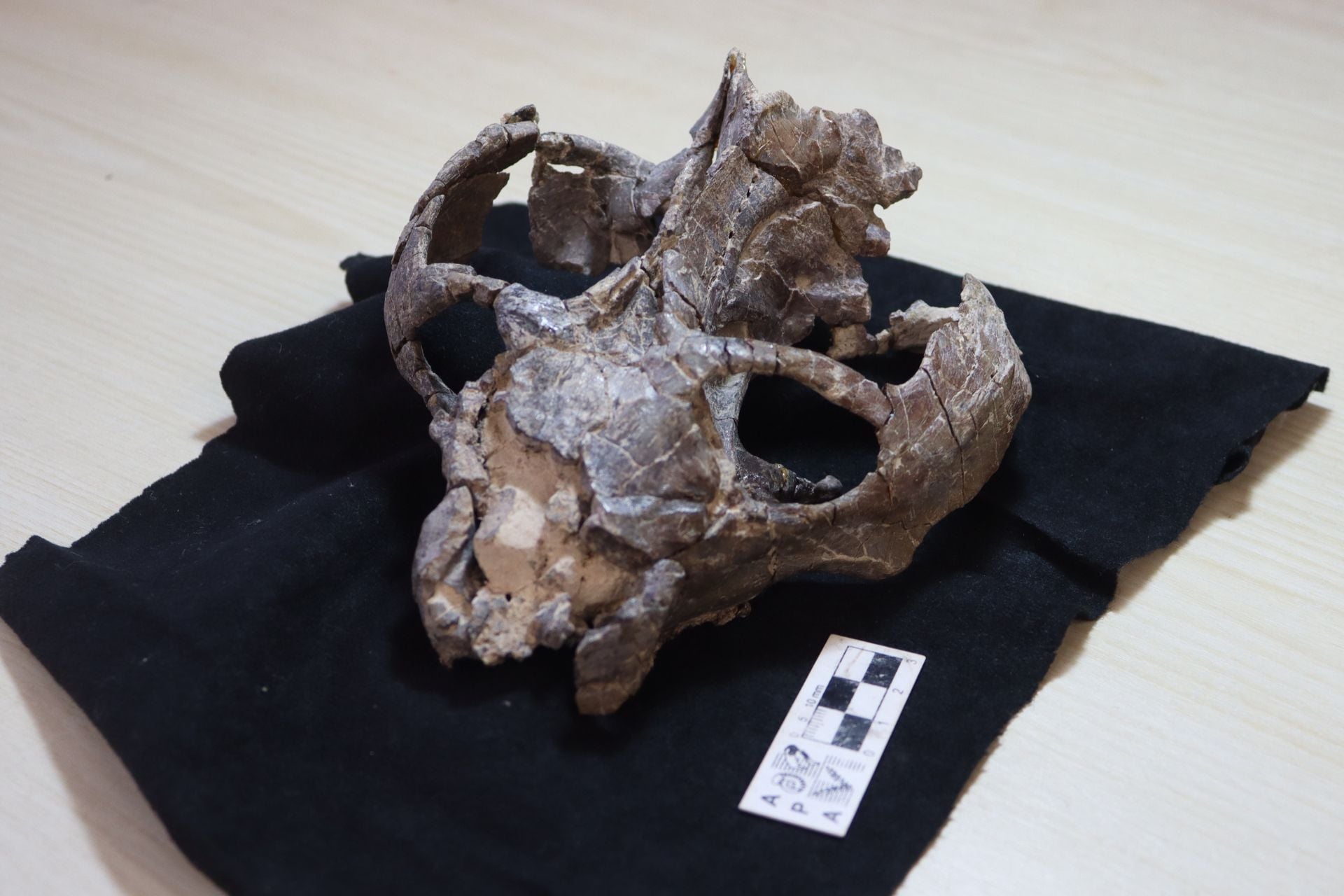
A recent scientific discovery has overturned a long-held belief about the reproductive history of cynodonts, the ancient precursors to all modern mammals. Researchers have unearthed the first definitive evidence indicating that these creatures, which roamed the Earth approximately 236 million years ago, engaged in live birth, challenging the previous assumption that they exclusively laid eggs.
For decades, paleontologists and evolutionary biologists theorized that cynodonts, bridging the gap between reptiles and mammals, reproduced oviparously, meaning they laid eggs. This understanding was based on the fossil record and comparative biology with other early vertebrates. The new finding, however, introduces a pivotal shift in this narrative, suggesting that a key mammalian reproductive trait emerged much earlier than previously understood.
The groundbreaking evidence comes from a 236-million-year-old fossil that provides clear indications of internal gestation. While the specific details of the fossil's preservation are still under study, the presence of offspring within the maternal fossil structure unequivocally points toward viviparity, or live birth, rather than egg-laying. This discovery marks a significant milestone, as it's the first time such direct evidence has been observed in cynodonts.
This revelation is crucial for understanding the evolutionary trajectory of mammals. Live birth is a defining characteristic of most modern mammals, offering advantages like increased offspring survival rates due to internal protection and direct parental care. Pinpointing when this reproductive strategy first appeared in our ancient lineage helps scientists piece together the complex puzzle of how mammalian traits developed over vast stretches of geological time.
The shift from egg-laying to live birth represents a major evolutionary innovation. By demonstrating that cynodonts were already practicing viviparity, this discovery pushes back the timeline for the emergence of this advanced reproductive method within the synapsid lineage, the group that includes mammals and their extinct relatives. It suggests that some of the reproductive strategies we associate with mammals today were already in place in their distant ancestors.
The implications of this finding extend beyond reproductive biology, potentially influencing our understanding of parental care, developmental stages, and even the ecological niches occupied by cynodonts. A creature capable of live birth might have had different survival strategies and interactions with its environment compared to one that laid eggs and left them to hatch.
This monumental fossil discovery encourages a re-evaluation of other cynodont remains and prompts further investigation into the diversity of reproductive strategies among early mammal-like reptiles. Scientists will likely scrutinize existing collections with fresh eyes, searching for additional clues that might corroborate or expand upon this initial evidence of live birth in our ancient ancestors, continuing to refine the intricate story of life on Earth.



Comments (0)
Be the first to comment.
Join the discussion