OpenAI Unveils ChatGPT Images 2.5 with Sharper Detail and Faster Generation
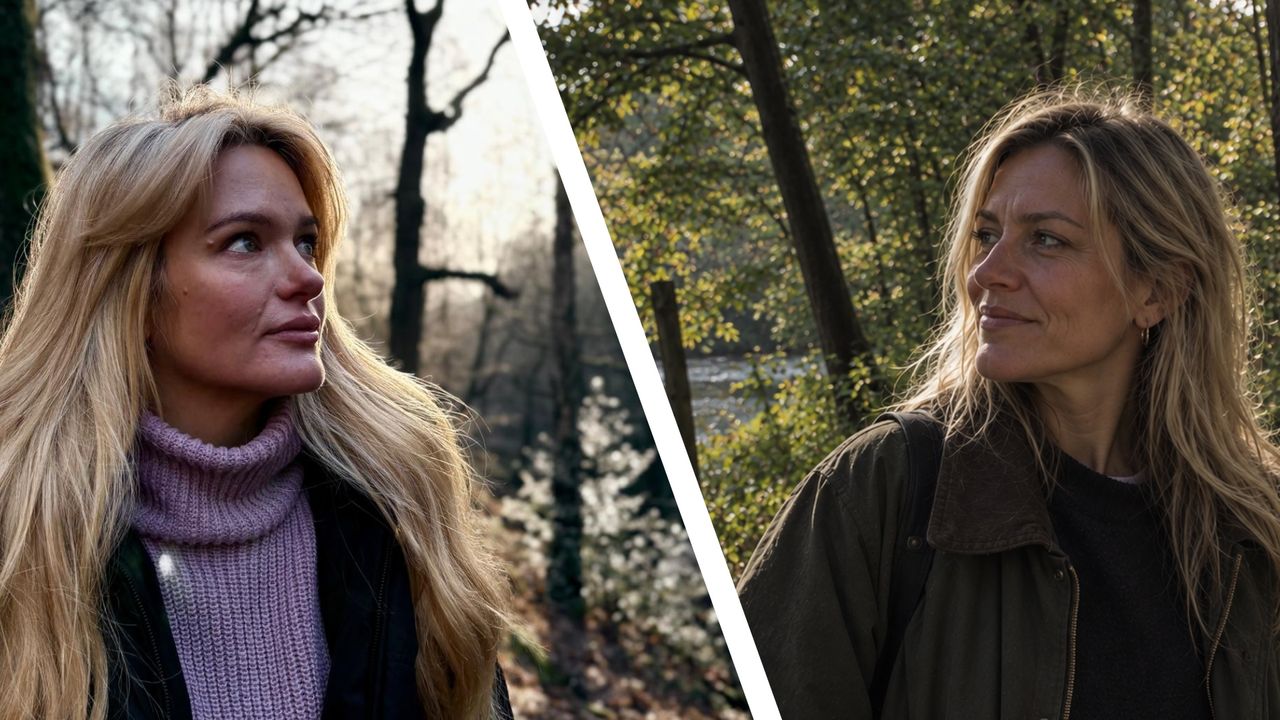
OpenAI rolled out the latest iteration of its visual AI, ChatGPT Images 2.5, on Tuesday, promising users a noticeable leap in image quality, speed, and editing precision. The upgrade follows a series of incremental improvements to the company’s generative‑art platform, positioning it more directly against rivals such as Midjourney and Stable Diffusion.
The new model touts “sharper details, faster generation, more precise editing, and better tools for creating and sharing,” according to OpenAI’s product brief. Early testers report that the system resolves fine textures—such as fabric weave or foliage—more cleanly than its predecessor, while rendering complex scenes in a fraction of the time previously required.
ChatGPT Images 2.5 builds on the foundation laid by the original ChatGPT Images, which debuted in late 2023 with a focus on text‑to‑image conversion integrated into the broader ChatGPT chat interface. The earlier version was praised for its ease of use but faced criticism for occasional blurriness and limited control over composition. By tightening the diffusion process and adding a suite of editing knobs, OpenAI aims to close the gap between casual experimentation and professional‑grade output.
The upgrade arrives amid growing scrutiny of AI‑generated visuals. As synthetic images become harder to distinguish from photographs, creators, marketers, and journalists are grappling with both opportunity and risk. Faster, higher‑resolution outputs can streamline design workflows, but they also raise questions about attribution, copyright, and the potential spread of misinformation.
In response to the blurring line between real and synthetic media, several tech outlets have launched “real‑or‑AI” quizzes that challenge readers to identify whether a picture was produced by a human or an algorithm. Such interactive tests highlight the need for robust detection tools, a field that OpenAI itself is monitoring as it refines watermarking and provenance‑tracking features for its images.
Looking ahead, OpenAI says the 2.5 release is a stepping stone toward more collaborative and multimodal experiences, where text, image, and even video generation can be orchestrated within a single conversation. Competitors are expected to follow suit, intensifying a race that could accelerate both the creative possibilities and the regulatory conversations surrounding AI‑generated content.

Comments (0)
Be the first to comment.
Join the discussion