U.S. Drone Tariffs Aim to Boost Homegrown Industry and Safeguard Supply Chains
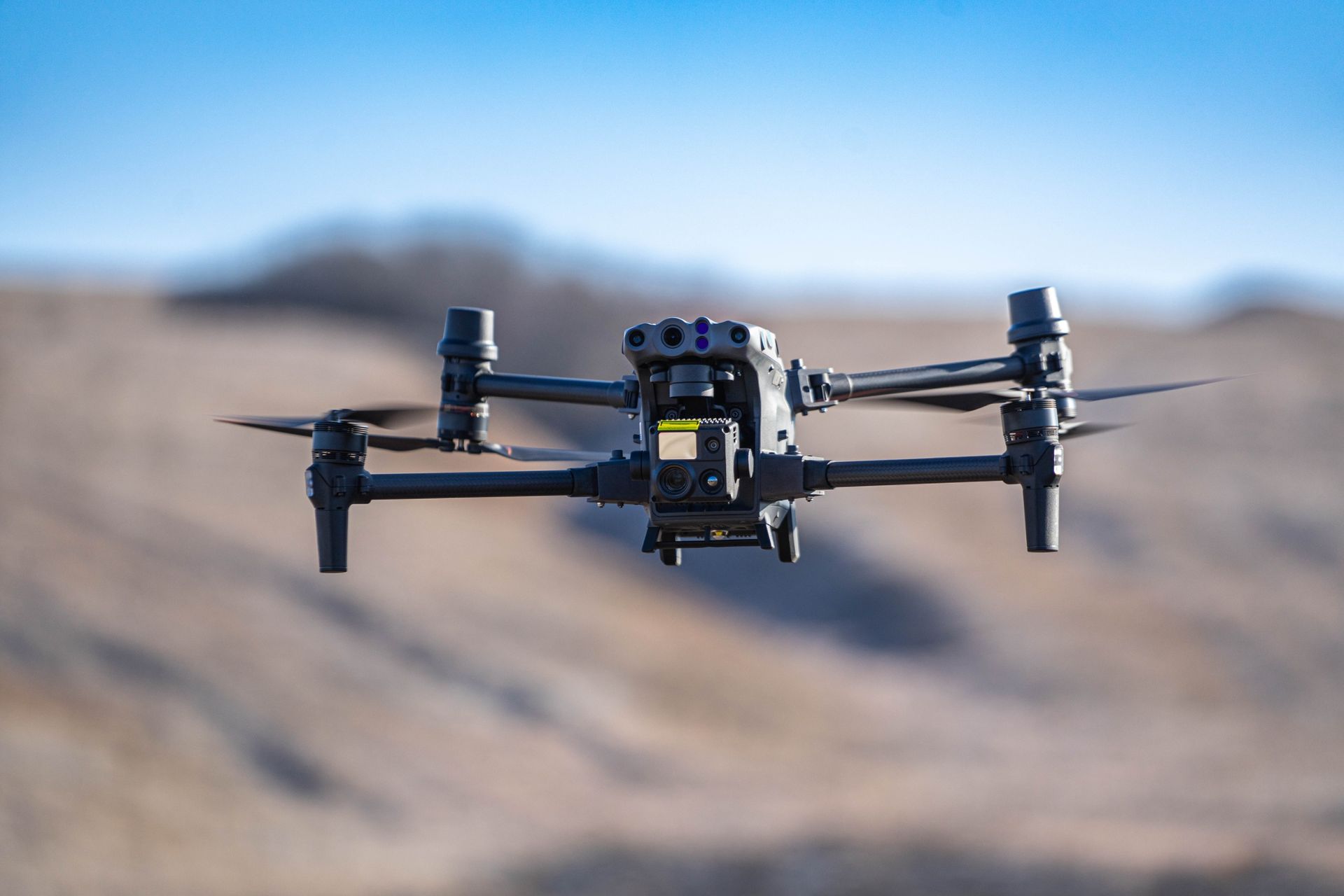
The United States has introduced a new set of tariffs on imported drone components, a move officials say will strengthen domestic manufacturing and reduce reliance on foreign supply chains that have proven vulnerable during recent geopolitical crises.
Over the past five years, unmanned aerial systems have transitioned from niche hobbyist gadgets to essential tools in a variety of sectors. They now capture aerial footage of sporting events, assist fire crews by mapping wildfire spread in real time, and even make short‑range deliveries for fast‑food chains. This rapid expansion has drawn the attention of policymakers concerned about the strategic implications of a technology that can be weaponized.
Congressional leaders pointed to the conflict in Ukraine as a stark reminder that a nation’s ability to field reliable drone hardware can influence outcomes on the battlefield. When supply lines for critical electronics were disrupted, Ukrainian forces faced shortages that hampered reconnaissance and targeting capabilities. The new tariffs are intended to keep key parts—such as flight controllers, sensors, and propulsion units—produced within U.S. borders, thereby insulating the military and commercial users from external shocks.
The tariff schedule, which applies to a broad category of drone‑related goods originating from several Asian exporters, is expected to increase the cost of imported items by up to 25 percent. While industry groups have warned that higher prices could slow adoption in civilian markets, the Commerce Department argues that the long‑term benefits of a resilient supply chain outweigh short‑term price hikes. Incentives for domestic firms, including tax credits and expedited permitting for new factories, are being rolled out alongside the duties.
Domestic manufacturers have welcomed the policy shift, citing recent investments in advanced production lines that can meet both commercial and defense specifications. Companies that previously relied on overseas parts are now re‑tooling to assemble complete systems stateside, a trend that analysts predict will generate thousands of new jobs in engineering, fabrication, and software development.
Critics, however, caution that tariffs alone will not guarantee competitiveness. Experts stress the need for continued research funding, workforce training, and international standards cooperation to keep U.S. drone technology at the cutting edge. As the market matures, the balance between protectionist measures and open innovation will likely shape how quickly the United States can translate its regulatory actions into tangible strategic advantage.



Comments (0)
Be the first to comment.
Join the discussion