Microbe Defies Heat Limits, Thriving Above 140°F
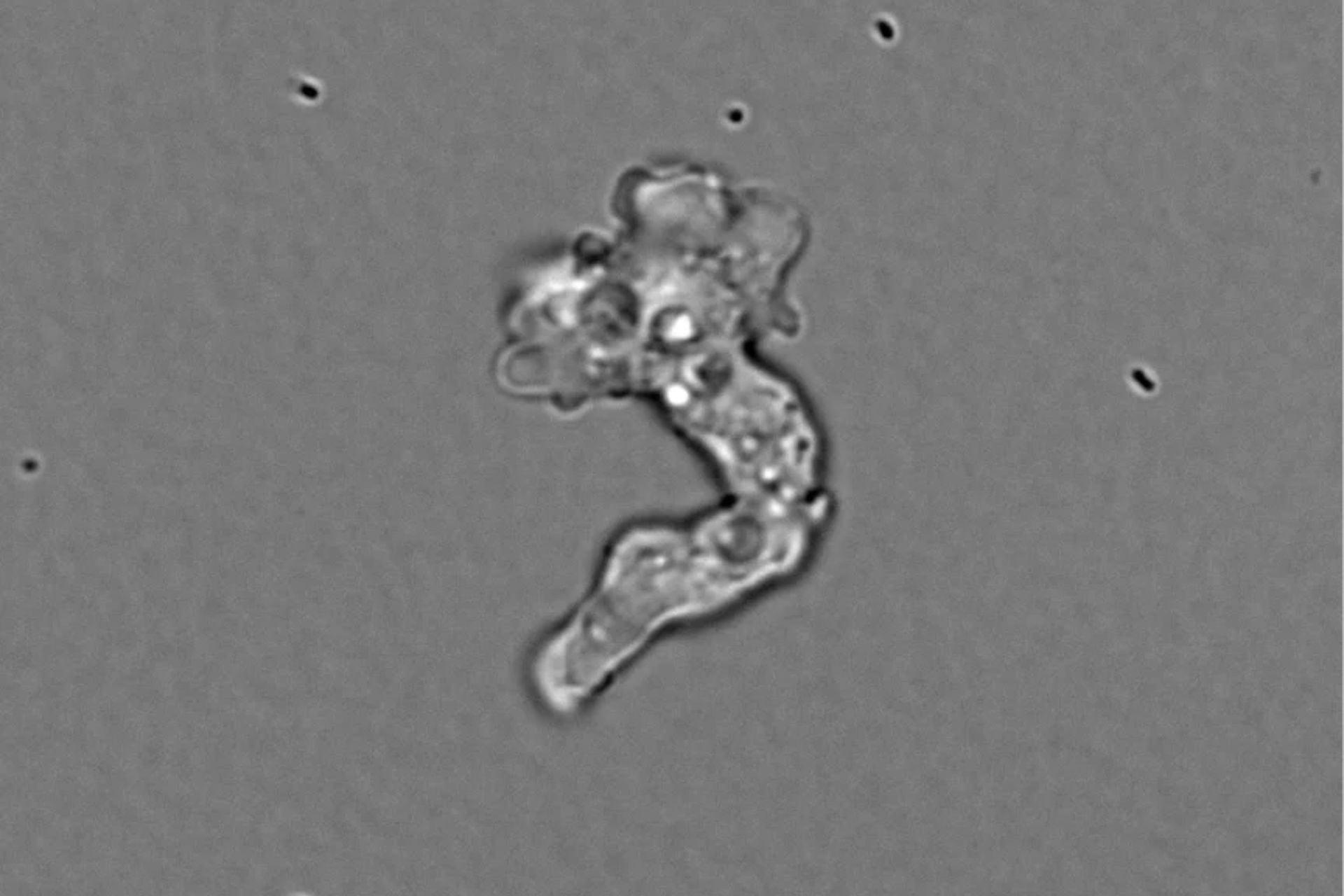
A newly identified single‑celled organism, dubbed the “fire amoeba,” has been shown to grow and reproduce at temperatures exceeding 140 degrees Fahrenheit, a threshold that scientists previously believed was beyond the tolerance of any complex life form. The organism, officially named Incendiamoeba cascadensis, was reported in a recent study that highlights its remarkable ability to maintain metabolic activity in conditions that would denature proteins in most eukaryotes.
Incendiamoeba cascadensis was isolated from a high‑temperature habitat where water routinely reaches scorching levels. While many bacteria and archaea are known to inhabit extreme environments, the discovery of a true amoeboid eukaryote thriving at such heat challenges long‑standing assumptions about the upper thermal limits of cellular life. Prior research suggested that most eukaryotic cells begin to experience irreversible damage above roughly 122 degrees Fahrenheit (50 °C), making this new finding especially noteworthy.
The implications of the fire amoeba extend beyond taxonomy. By studying the molecular mechanisms that protect its cellular structures—such as heat‑stable enzymes, specialized membrane lipids, and robust DNA‑repair pathways—researchers hope to gain insight into how early life on Earth might have survived in volcanic or hydrothermal settings. Moreover, the organism’s resilience could inform astrobiology, offering a model for the types of life that might exist on other worlds with extreme thermal environments, such as the subsurface oceans of icy moons heated by tidal forces.
Scientists caution that much remains unknown about the organism’s ecology and potential applications. Ongoing work will focus on sequencing its genome, characterizing its protein machinery, and testing its survivability under varying stressors. If its heat‑tolerant traits can be harnessed, they may prove valuable in industrial processes that require biocatalysts operating at high temperatures, reducing the need for costly cooling systems.
The discovery of Incendiamoeba cascadensis underscores the importance of exploring understudied extreme habitats, where life continues to surprise us with its adaptability. Funding agencies have expressed interest in supporting deeper investigations, and the research team plans to conduct comparative studies with other extremophiles to map the evolutionary pathways that enable such thermal endurance. As the scientific community delves further into the fire amoeba’s biology, the findings could reshape our understanding of the limits of life on Earth and beyond.



Comments (0)
Be the first to comment.
Join the discussion