Google expands Fitbit Air health suite with blood pressure and insulin resistance tracking, challenging pricey rivals
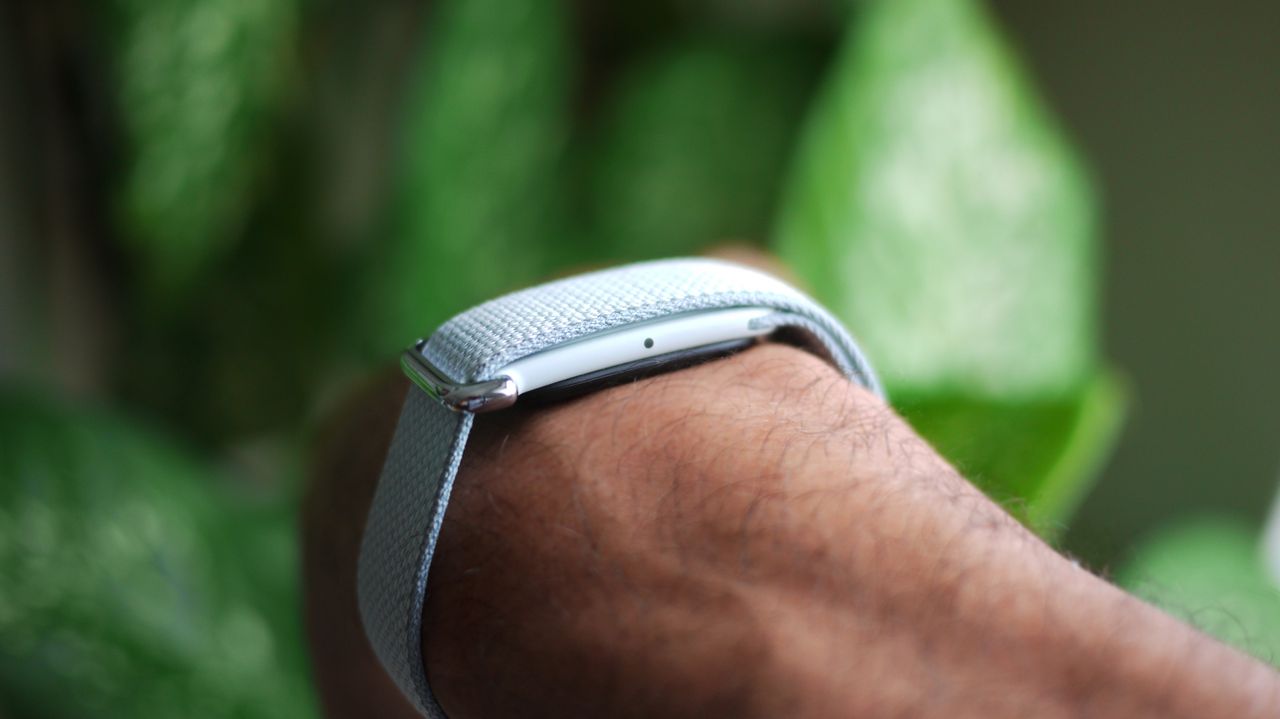
Google announced that its budget-friendly Fitbit Air wearable will soon receive a suite of new health-monitoring capabilities, rolling out alongside the Pixel Watch 5. The update, branded as Health Guardian, adds continuous tracking of blood pressure trends, insulin resistance patterns and a metric for sleep breathing quality.
The enhancements arrive without requiring a subscription to Google Health Premium, a move that differentiates the Fitbit Air from many competitors that lock advanced analytics behind monthly fees. Users will be able to view the new metrics directly in the Fitbit app, where the data is presented alongside existing activity and sleep statistics.
Health Guardian’s inclusion of insulin resistance trends reflects a growing interest in wearable devices that can provide insights into metabolic health, a field traditionally limited to clinical testing. While the feature does not replace medical diagnosis, it offers users a longitudinal view of factors that can signal early signs of pre‑diabetes or related conditions.
Blood pressure monitoring on wearables has been a contentious topic due to concerns over accuracy. Google’s implementation leverages the Air’s optical sensors combined with algorithms calibrated against clinical standards, though the company advises users to confirm readings with a medical device for critical decisions.
The addition of sleep breathing quality aims to give users a better understanding of potential sleep‑disordered breathing events, such as mild apnea. By analyzing patterns in respiration during rest, the Fitbit Air can flag irregularities that may warrant further medical evaluation.
Industry analysts note that these free, software‑only upgrades could pressure higher‑priced platforms like Whoop, which charge subscription fees for comparable analytics. As wearables become more entrenched in everyday health management, the competitive landscape may shift toward feature‑rich, low‑cost devices that rely on ecosystem integration rather than hardware premiums.


Comments (0)
Be the first to comment.
Join the discussion