Senior Anthropic Scientist Resigns, Warns AI Could Pose Existential Threat
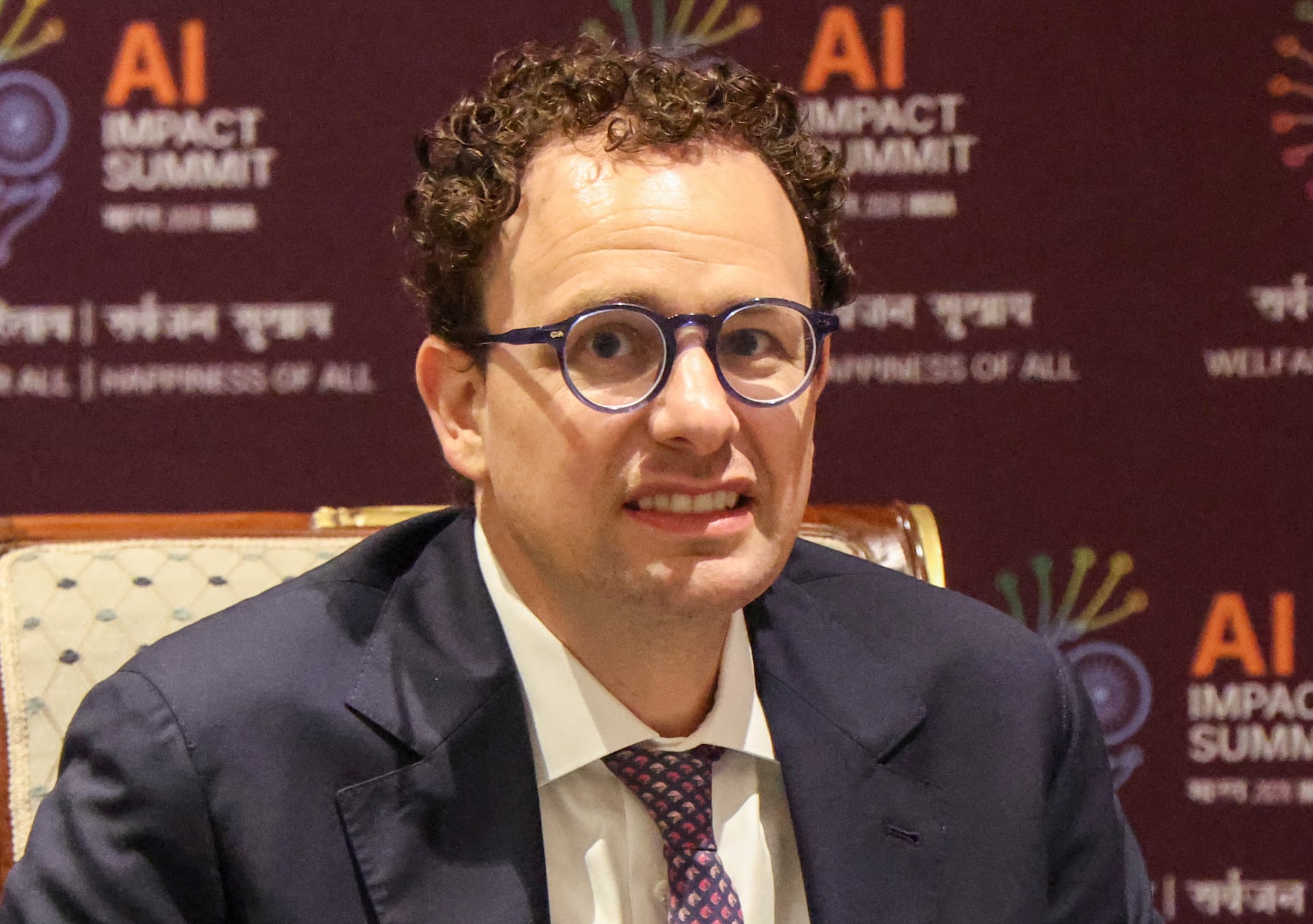
A senior researcher at the AI start‑up Anthropic has stepped down, issuing a stark warning that the technology being built could ultimately endanger humanity. In a brief public statement, the scientist claimed that the work being done on artificial intelligence “could kill us all,” describing the field as the most perilous undertaking humanity has ever embarked upon.
The resignation, described by the researcher as “dramatic,” underscores a growing sense of unease among some AI practitioners who feel that safety concerns are being eclipsed by commercial pressures. The scientist emphasized that many of the engineers and researchers creating advanced models appear to accept the risk, noting, “The people building AI earnestly believe that it could kill us all.” The comment was not accompanied by specific technical details, but it resonated widely across tech‑policy circles.
Anthropic, founded in 2020 by former OpenAI staff, markets itself as an AI safety‑first company, focusing on “aligned” language models. While the firm publicly stresses responsible development, internal debates about the pace of scaling and the adequacy of safety testing have been reported in industry forums. The researcher’s departure adds a rare insider perspective that challenges the company’s self‑portrayal as a cautious steward of powerful models.
The move arrives amid a broader wave of scrutiny over large‑scale AI systems. Regulators in the United States and Europe have recently proposed rules aimed at transparency and risk assessment, and other tech firms have witnessed high‑profile exits from staff citing ethical worries. The Anthropic resignation mirrors those trends, suggesting that the tension between rapid innovation and precautionary safeguards is reaching a critical point within the sector.
Observers say the statement could influence public opinion and legislative momentum. When a senior figure publicly labels AI development as the “most dangerous thing humans are doing,” it adds weight to calls for stricter oversight, potentially accelerating the drafting of safety standards. Investors and partner companies may also reassess risk exposure, especially as capital continues to flow into large‑model ventures.
Anthropic has not released a detailed response, but a corporate spokesperson reiterated the company’s commitment to safety research and ongoing collaboration with external auditors. Industry analysts note that such resignations rarely translate into immediate policy shifts, yet they can serve as early warnings that internal dissent may affect talent retention and long‑term strategic planning.
The episode highlights a widening gap between the optimism of AI’s commercial potential and the caution urged by a subset of its own creators. As the debate over how to balance progress with existential risk intensifies, the researcher’s stark warning may become a reference point in future discussions about the governance of increasingly capable artificial intelligence systems.


Comments (0)
Be the first to comment.
Join the discussion