Archaeologists Uncover Evidence of Llama Burials in Elaborate Inca Rituals
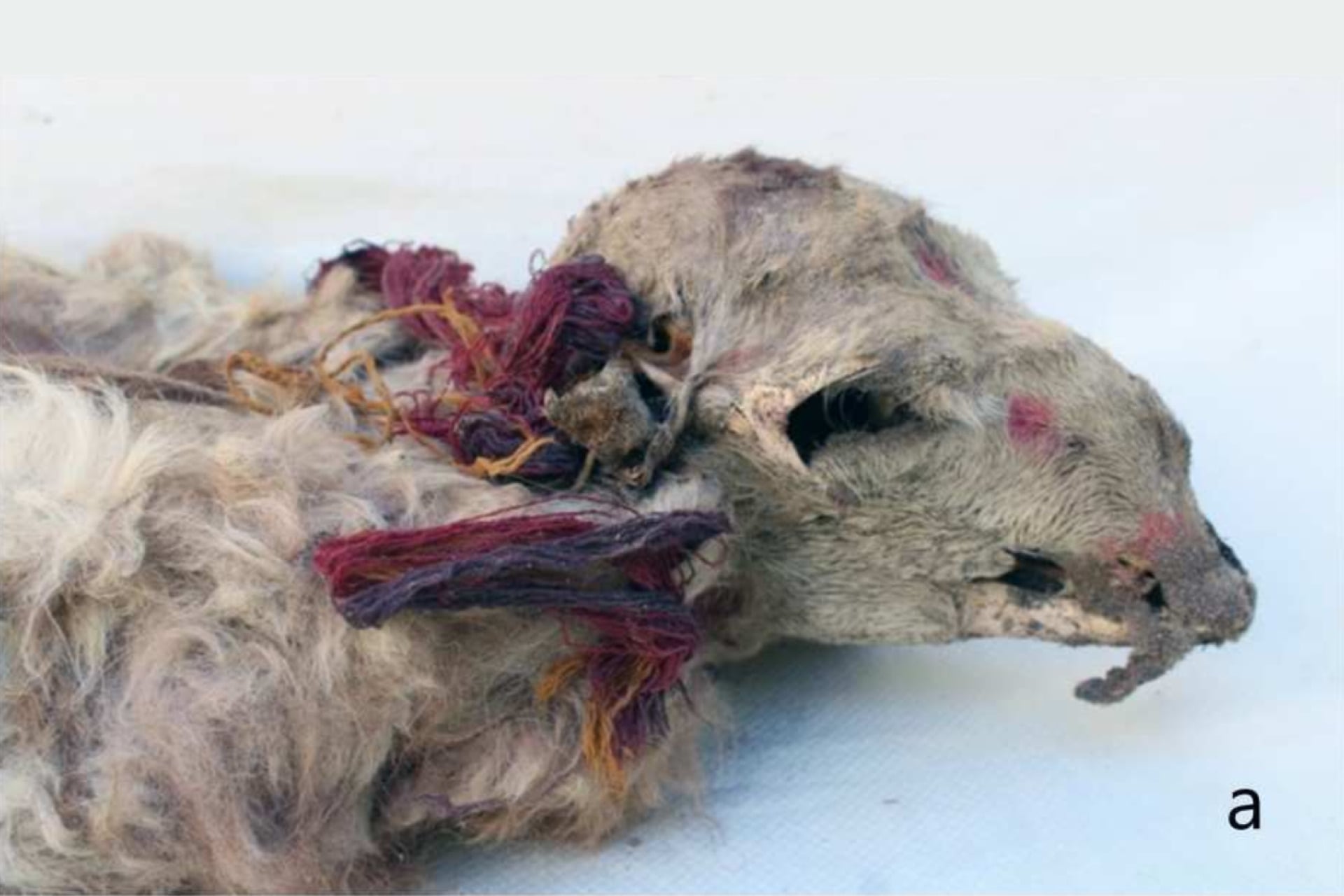
New archaeological analysis has revealed that the Inca Empire performed highly ceremonial burials of llamas, adorning the animals with tassels, painted faces, and other decorative elements before interring them, a practice that challenges long‑standing interpretations derived from early Spanish chroniclers.
Researchers examined a series of burial sites in the Andean highlands, where dozens of llama skeletons were found alongside fragments of colorful textile fibers and pigment residues. Microscopic testing confirmed that the fibers were once attached to the animals as ornamental tassels, while chemical analysis identified mineral pigments consistent with traditional Inca face‑painting compounds such as cinnabar and malachite.
The discovery overturns the prevailing narrative that colonial accounts, which often portrayed Inca rituals as barbaric or purely sacrificial, accurately captured the complexity of the empire’s religious customs. Spanish observers typically described Inca offerings in broad, sensational terms, but the physical evidence now shows a nuanced ceremony that emphasized visual splendor and reverence for the llama as a sacred carrier of wealth and status.
Anthropologists note that the practice fits within a broader Andean worldview that regarded llamas as integral to both daily life and spiritual expression. The animals were essential for transport, wool, and meat, and their symbolic role extended to mythic representations of the earth and the sun. By decorating llamas before burial, the Inca likely sought to honor the creatures’ contributions and ensure their continued presence in the afterlife, a concept mirrored in other Andean mortuary traditions that involve elaborate grave goods.
While the exact timing of these burials remains under investigation, radiocarbon dating places many of the sites within the apex of the Inca state in the 15th century. The findings open new avenues for research into how the empire blended political power with religious practice, and they may prompt a re‑examination of other colonial descriptions that have long shaped modern perceptions of pre‑colonial South America. Future excavations aim to locate additional burial contexts that could clarify the geographic spread of the ritual and its possible variations across different Inca provinces.


Comments (0)
Be the first to comment.
Join the discussion