Accelerating Himalayan Melt Triggers Flood Threats Across South Asia
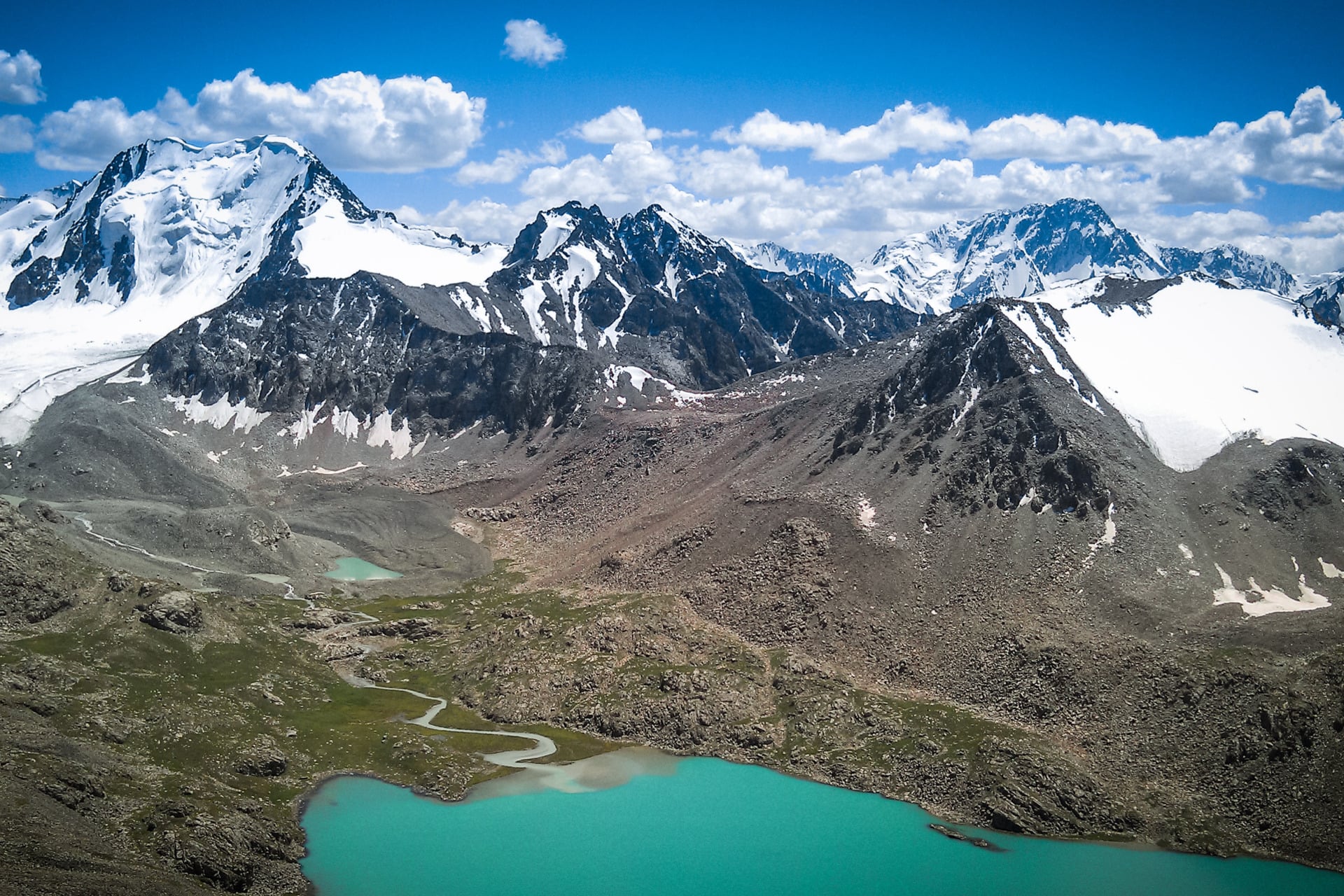
Scientists and policymakers are warning that the Himalayas are losing ice at an unprecedented rate, a development that could reshape the water supply for millions of people downstream. A private research consortium working alongside the Indian government has warned that while the region's water cycle may eventually dry up, the immediate danger lies in increasingly severe flash floods that have already devastated parts of Nepal.
Glaciers in the world's highest mountain range have been receding faster than in previous decades, a trend linked to rising global temperatures. The meltwater feeds the major rivers that flow through India, Bangladesh, Nepal and beyond, sustaining agriculture, hydro‑electric power and drinking supplies. As the ice retreats, the timing and volume of runoff become more erratic, disrupting the seasonal patterns that communities have relied on for centuries.
The consortium, which includes climatologists, hydrologists and engineers, points to recent flood events in Nepal as a harbinger of what could become a recurring phenomenon. Sudden releases of meltwater, sometimes triggered by glacial lake outbursts, have caused rivers to swell dramatically within hours, overwhelming settlements and infrastructure. While the precise frequency of such events is still being studied, the experts say the risk is rising as more meltwater accumulates in unstable lakes.
Beyond the immediate flood danger, the group cautions that the long‑term outlook for the Himalayan water tower is bleak. If current warming trends continue, the glaciers could shrink to a point where they no longer provide a reliable source of water during the dry season. This would affect agricultural cycles, hydro‑electric generation and the livelihoods of billions who depend on the Brahmaputra, Ganges and Indus basins.
Authorities in Nepal and neighboring countries are already grappling with the dual challenge of disaster response and adaptation planning. Emergency measures have been taken to improve early‑warning systems and to reinforce vulnerable riverbanks, but experts argue that broader climate‑mitigation policies are essential to curb further ice loss. International cooperation is also deemed critical, given that the Himalayan watershed spans multiple sovereign states.
Looking ahead, the research team recommends a combination of monitoring glacial dynamics, mapping potential outburst zones, and investing in resilient infrastructure. They stress that while the ultimate drying of the water cycle may lie years or decades in the future, the present window for mitigating catastrophic floods is narrow. The message is clear: without decisive action on both climate change and flood preparedness, the Himalayan melt could trigger a cascade of humanitarian and economic crises across South Asia.



Comments (0)
Be the first to comment.
Join the discussion