Floating PC Cases Gain Traction for Style and Function
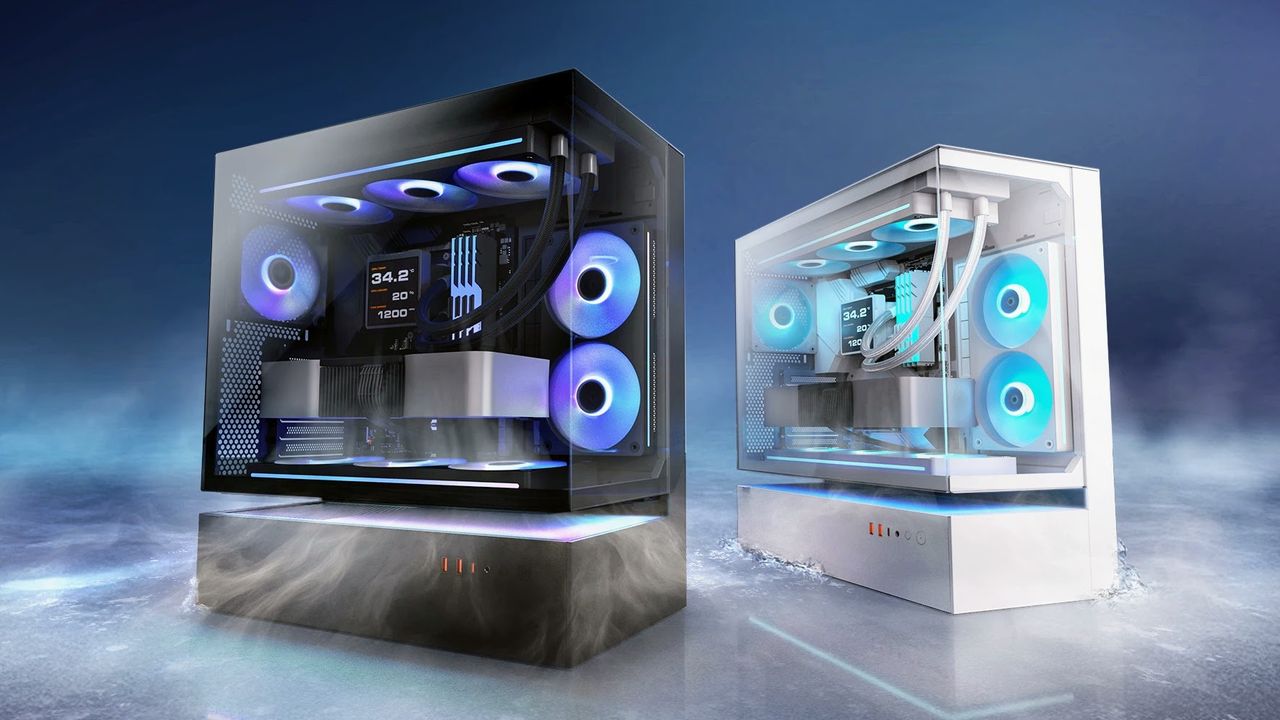
Computer enthusiasts are increasingly opting for chassis that appear to hover above the desk, a design shift that goes beyond aesthetics and offers tangible practical advantages. The “floating” case concept, which deliberately leaves a measurable gap between the bottom of the unit and the surface it rests on, is emerging as a notable trend in the custom‑build community.
Traditional towers sit flush against a desk or floor, often limiting airflow and making cable routing a cramped affair. By raising the main chassis a few inches, floating cases create a breathing space that improves ventilation and provides easier access to ports and cables. Builders report that the extra clearance helps to channel cool air more efficiently across components, reducing reliance on aggressive fan curves and potentially extending hardware lifespan.
Beyond thermal benefits, the elevated design simplifies everyday maintenance. Dust and debris are less likely to accumulate in the lower portion of the case, and cleaning the underside becomes a quick swipe rather than a disassembly chore. The gap also makes it simpler to plug and unplug peripherals, especially when the computer is positioned against a wall or inside a confined workspace.
Several manufacturers have embraced the concept, releasing models that integrate the floating effect into sleek, modern aesthetics. Some designs feature removable feet or adjustable standoffs, allowing users to fine‑tune the height to suit their desk setup. Early adopters on forums and social media praise the visual impact—an almost levitating silhouette that adds a futuristic flair to a workstation—while also noting the functional gains.
Analysts anticipate that the floating case movement will continue to grow as more builders seek solutions that combine form and function. As component temperatures become a focal point for performance tuning, designs that naturally enhance airflow without extra hardware are likely to attract attention. The trend also aligns with broader ergonomic considerations, encouraging setups that keep the monitor at eye level while the case remains unobtrusive. If the current momentum persists, floating PC cases could become a standard option rather than a niche curiosity, reshaping how enthusiasts think about the space beneath their machines.


Comments (0)
Be the first to comment.
Join the discussion