Surreal Short Story 'The Raspberry Manifesto of Professor Warana' Explores Artistic Identity Through an Orange Metamorphosis
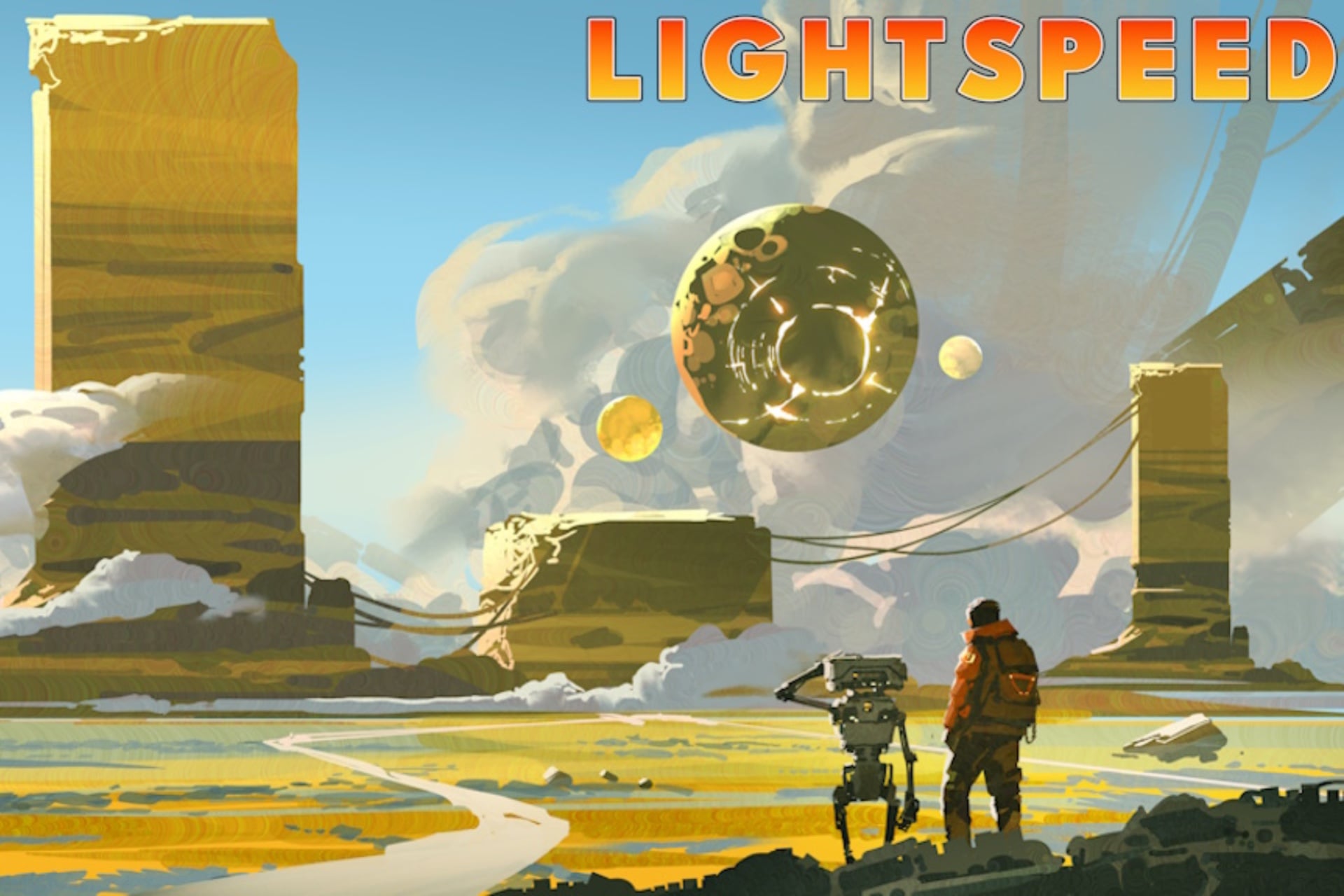
Adam-Troy Castro's latest short story, "The Raspberry Manifesto of Professor Warana," has attracted attention after being featured on io9 with the backing of Lightspeed Magazine, a development first reported by Gizmodo. The tale follows an unnamed artist who discovers an unexpected sense of fulfillment by transforming into an orange, a premise that has sparked both curiosity and discussion among readers and critics.
Set against a backdrop of whimsical absurdity, the narrative uses the literal metamorphosis as a metaphor for creative liberation. As the protagonist sheds human constraints and embraces the simple, sensory existence of a fruit, the story interrogates the boundaries between self‑expression and self‑obliteration. Critics note that Castro’s prose balances humor with philosophical inquiry, inviting readers to contemplate the lengths to which an artist might go to escape the pressures of conventional expectation.
The publication of the story on io9, a site known for covering speculative fiction and pop culture, expands its reach beyond the traditional magazine audience. Lightspeed Magazine, a respected outlet for science‑fiction and fantasy, provided the rights for the piece, underscoring a collaborative effort to bring niche literary work to a broader digital readership. The partnership reflects a growing trend of online platforms amplifying short‑form speculative narratives that might otherwise remain confined to print.
Gizmodo’s coverage highlighted the story's surreal qualities and its resonance with contemporary discussions about artistic identity in the age of social media. While the premise may appear whimsical, the underlying commentary touches on real‑world concerns: the commodification of art, the desire for authenticity, and the often‑painful process of reinvention. By choosing an orange—a universally recognizable yet mundane object—Castro underscores how ordinary transformations can carry profound symbolic weight.
Readers have responded with a mix of amusement and reflection, sharing interpretations on forums and social platforms. Some view the orange transformation as a satire of the “viral” art market, where novelty can eclipse substance. Others appreciate the story’s gentle reminder that joy can be found in embracing the unexpected, even if it means relinquishing a familiar identity.
As speculative fiction continues to explore the fringes of imagination, stories like "The Raspberry Manifesto of Professor Warana" demonstrate the genre's capacity to blend the bizarre with the deeply human. The piece’s availability on a mainstream site like io9 may encourage further cross‑publication collaborations, potentially bringing more avant‑garde works to a wider audience. For now, the story stands as a vivid illustration of how surreal narratives can provoke meaningful dialogue about the nature of creativity and the lengths artists will go to rediscover it.



Comments (0)
Be the first to comment.
Join the discussion