Groundwater Decline in Colorado River Basin Raises Alarm for Western Drought Resilience
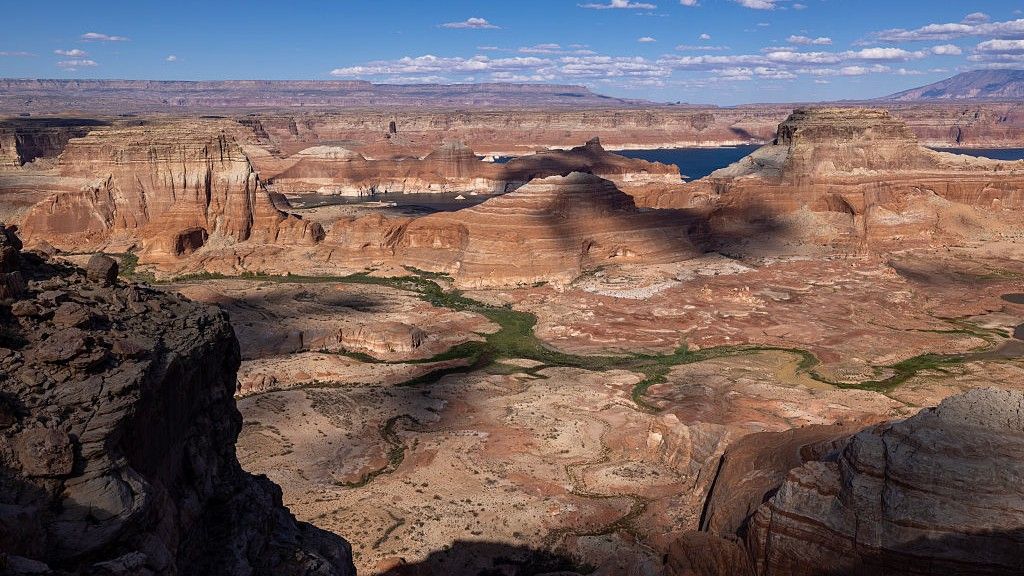
A new analysis of groundwater reserves across the Colorado River Basin reveals a faster-than-expected loss of underground water, suggesting that the Upper Basin states may be far more exposed to prolonged drought than earlier studies indicated.
The research team, drawing on satellite‑based gravimetric measurements and decades of U.S. Geological Survey well data, mapped changes in aquifer storage across the four Upper Basin states—Colorado, Utah, Wyoming and New Mexico. Their findings show a consistent downward trend over the past two decades, with some sub‑basins losing several hundred feet of water equivalent per year.
Historically, water managers have counted on the deep aquifers of the Upper Basin as a buffer against surface‑water shortages, assuming that these underground stores would remain relatively stable even as climate patterns shifted. The new data challenges that assumption, indicating that the same geological formations that once seemed resilient are now depleting at a rate that could outpace natural recharge.
The implications are immediate for the region’s agriculture, which depends heavily on groundwater for irrigation, as well as for the millions of residents who rely on the Colorado River for municipal supply. Diminishing underground reserves could force farms to cut back planting or switch to less water‑intensive crops, while cities may face tighter restrictions on household use.
Scientists attribute the accelerating drawdown to a combination of hotter, drier summers, increased water demand, and a lag in policy adjustments to the evolving climate reality. The Colorado River already runs below historic flow levels, and the added stress on aquifers compounds the risk of a long‑term water crisis that could affect downstream states and the broader Southwest.
Policy experts say the study underscores the need for integrated water‑management strategies that balance surface‑water allocations with sustainable groundwater extraction. Options under discussion include tighter pumping regulations, expanded water‑saving technologies, and greater investment in water‑recycling infrastructure.
While the report stops short of predicting exact shortages, it signals a turning point for water planning in the basin. State officials and federal agencies are expected to review the findings in upcoming water‑budget negotiations, with an eye toward adapting to a drier future before the underground supplies become critically depleted.

Comments (0)
Be the first to comment.
Join the discussion