Delhi Launches Annual Winter Air Quality Drive to Curb Pollution
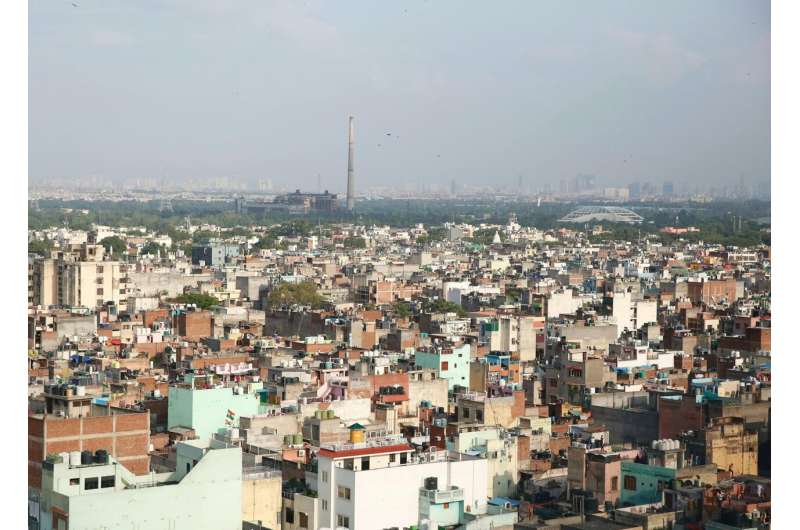
On Thursday, India activated its yearly winter air‑quality initiative in the capital, New Delhi, signaling a renewed push to blunt the toxic haze that routinely blankets the megacity as temperatures fall.
Home to roughly 30 million residents, Delhi consistently ranks among the world’s most polluted capitals. Seasonal temperature inversions trap fine particulate matter—particularly PM2.5—creating health‑hazardous conditions that have prompted repeated warnings from doctors and environmental agencies.
The latest round of controls covers several fronts. Vehicle emissions standards have been tightened, with authorities expanding low‑emission zones and increasing inspections for diesel trucks. Select construction sites have been ordered to halt activities that generate dust, while power generators that rely on high‑sulfur fuel are being required to switch to cleaner alternatives. These steps are part of a coordinated effort to cut the primary sources of winter smog.
In parallel, the city has bolstered its monitoring network, installing additional real‑time sensors to track pollutant concentrations across neighborhoods. Public health advisories are being issued through media and mobile alerts, urging residents, especially those with respiratory conditions, to limit outdoor exposure during peak pollution hours. The transport department is also promoting the use of mass‑transit options, offering discounted fares on buses and the metro to reduce private‑car traffic.
Health experts warn that prolonged exposure to high pollution levels can exacerbate asthma, cardiovascular disease, and premature mortality, imposing a heavy burden on the public‑health system and the economy. By curbing emissions before the winter peak, officials hope to lower hospital admissions and align the city’s air‑quality trajectory with India’s broader climate and sustainability commitments.
Authorities have pledged to review the effectiveness of the measures on a weekly basis, with the option to extend or intensify restrictions if air‑quality indices fail to improve. Long‑term, the city aims to embed cleaner technologies into its infrastructure, expand electric‑vehicle adoption, and enforce stricter industrial emission standards, laying the groundwork for a less polluted future beyond the immediate winter season.


Comments (0)
Be the first to comment.
Join the discussion