Study Finds Maui Residents Still Carry Elevated Toxic Metal Levels Long After 2023 Wildfires
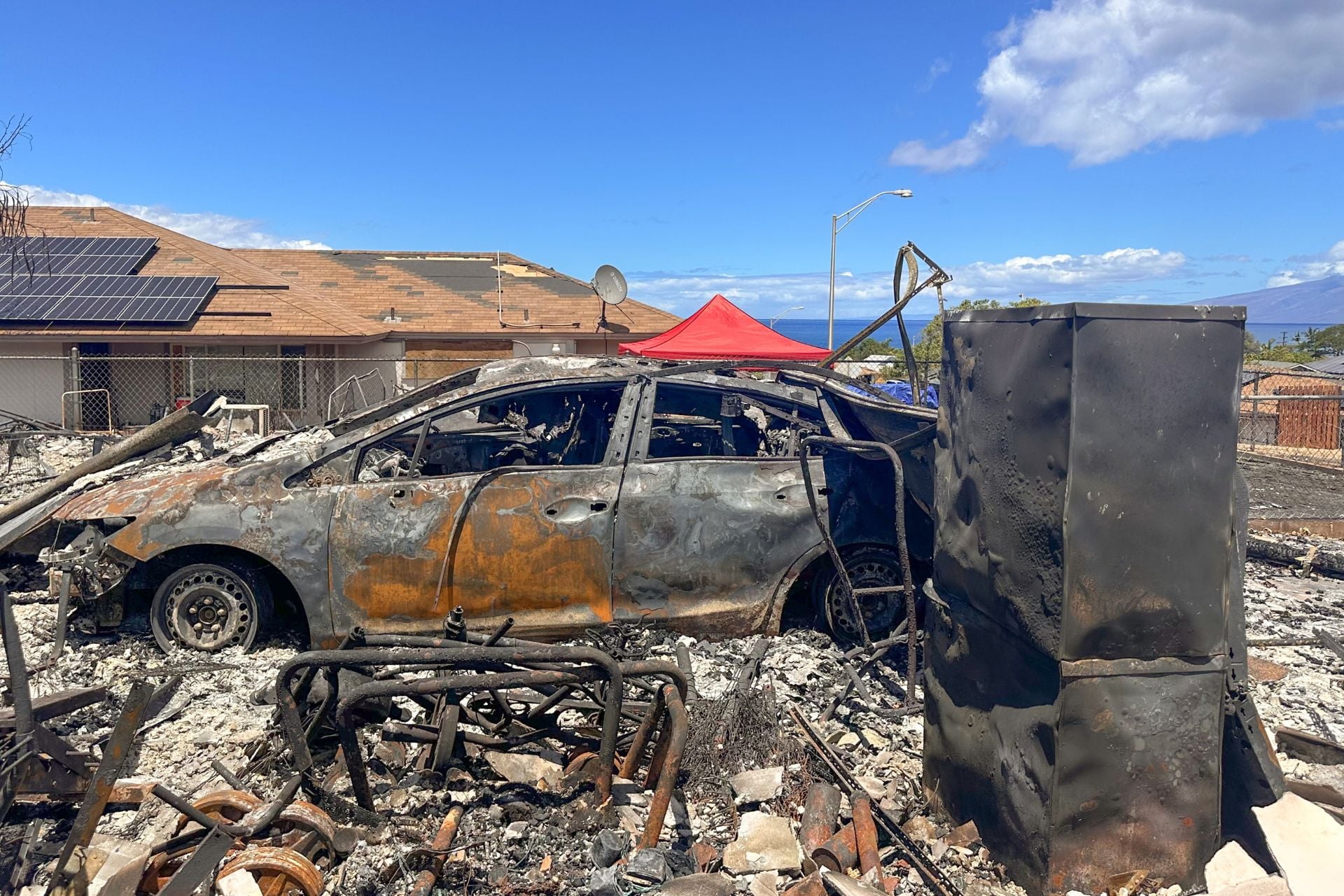
Scientists analyzing health data from Maui have discovered that residents tested between six and 18 months after the devastating 2023 wildfires still show unusually high concentrations of toxic metals in their bodies, raising concerns about lingering environmental fallout.
The research, which involved biomonitoring of community members who lived in the fire‑affected zones, revealed that metal levels remained well above typical background concentrations. While the exact metals were not itemized in the public summary, the investigators described the findings as “alarmingly high,” indicating that the exposure was not a short‑term spike but a persistent condition.
Wildfires are known to mobilize a variety of contaminants. When vegetation, soil, and built‑environment materials burn, they can release heavy metals that settle on ash and particulate matter, later infiltrating air, water, and soil. Residents who inhale smoke or come into contact with ash‑laden surfaces can absorb these substances through the respiratory tract or skin, and they may also ingest them via contaminated food or water.
Public health experts warn that chronic exposure to toxic metals can contribute to a range of adverse outcomes, from neurological effects to kidney damage. The fact that elevated levels persist months after the flames have been extinguished suggests that the environmental remediation efforts may need to address more than just visible ash and rebuilding structures.
Local authorities have begun to assess the broader implications of the study. Officials are considering expanded testing programs, especially for vulnerable groups such as children and the elderly, and are evaluating whether additional cleanup measures—like soil removal or water filtration—are required to reduce ongoing exposure.
The findings underscore a growing recognition that the health impacts of wildfires extend far beyond the immediate danger of fire and smoke. As climate change drives more frequent and intense fires, researchers and policymakers alike are urged to incorporate long‑term environmental monitoring into disaster response plans, ensuring that communities receive the support they need to recover fully and safely.


Comments (0)
Be the first to comment.
Join the discussion