Study Finds Glioblastoma’s Own Gel Fuels Tumor Cell Aggression
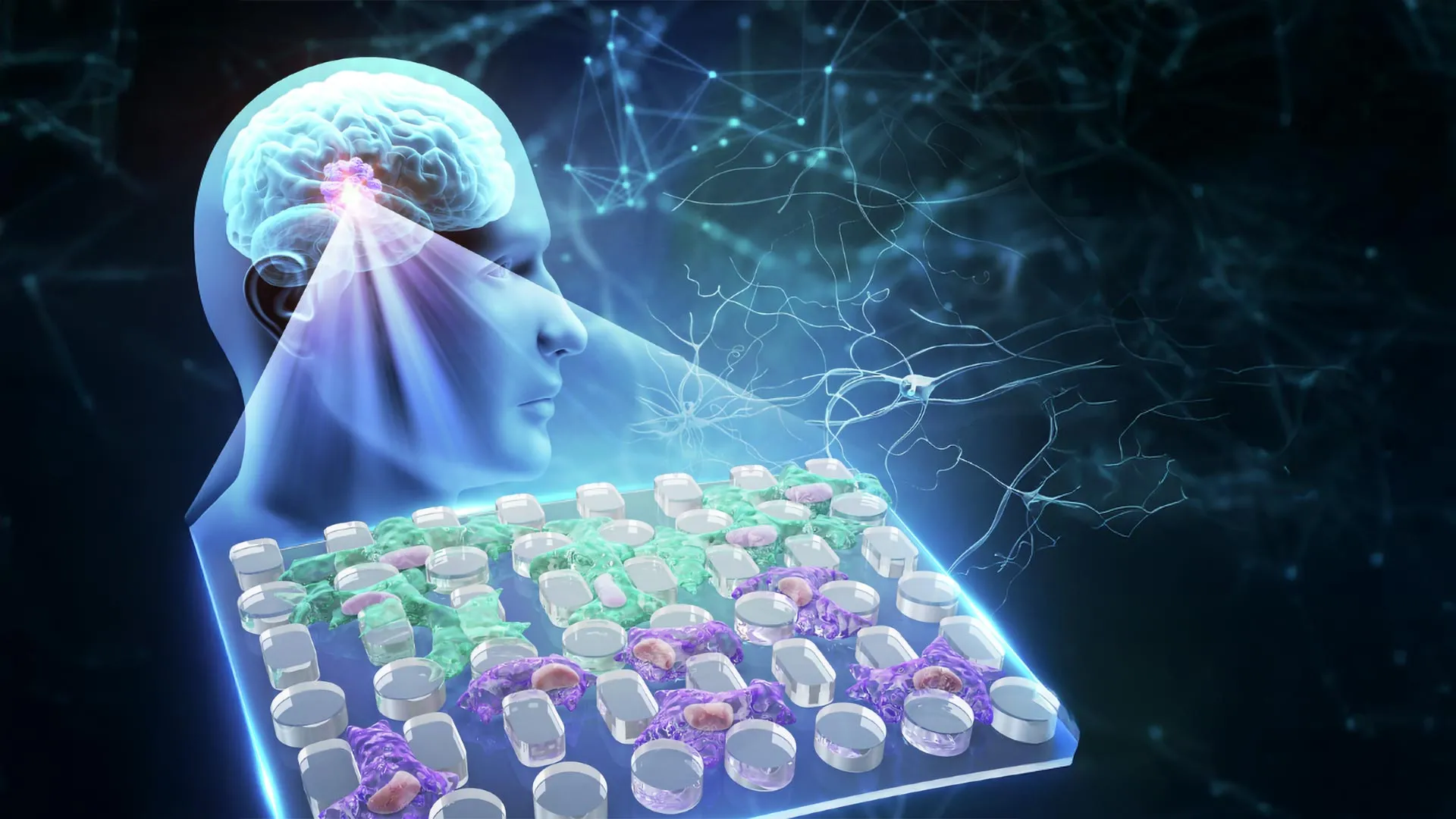
Researchers have uncovered a previously underappreciated mechanism by which glioblastoma, the most lethal form of brain cancer, gains its notorious invasiveness. The team reports that the dense, gelatinous matrix that envelops glioblastoma tumors can shrink cancer cells, increase their pliability, and boost their capacity to infiltrate surrounding brain tissue.
The finding emerged from laboratory experiments that exposed cultured glioblastoma cells to a synthetic replica of the tumor’s surrounding fluid, often referred to as the extracellular matrix. Within hours, the cells adopted a smaller, more elongated shape and displayed heightened motility. Remarkably, when the cells were later removed from the matrix and placed back in a standard growth medium, many of the aggressive traits persisted, suggesting a lasting reprogramming effect.
Glioblastoma has long baffled clinicians because, unlike many solid tumors, it spreads diffusely through the brain, making surgical removal virtually impossible and limiting the efficacy of radiation and chemotherapy. The new data point to the tumor’s own microenvironment as a driver of that spread, adding a layer of complexity to an already challenging disease.
“The matrix isn’t just a passive scaffold; it actively reshapes tumor biology,” said one of the study’s senior investigators. While the article does not name specific molecular pathways, prior work has linked matrix stiffness and composition to changes in cell signaling that govern movement and survival. The persistence of the altered phenotype after removal from the matrix hints that epigenetic or transcriptional switches may be triggered, locking cells into a more invasive state.
Understanding how the matrix induces these changes could open new therapeutic avenues. Drugs that modify the composition or mechanical properties of the extracellular environment, or that block the downstream signals activated by matrix contact, might blunt the tumor’s ability to invade. Such strategies are already being explored in other cancers, but glioblastoma’s unique location and blood‑brain barrier present additional hurdles.
The researchers caution that the work is still at an early stage and conducted primarily in cell culture. Follow‑up studies in animal models and, eventually, human tissue samples will be needed to confirm that the same mechanisms operate in patients. Nevertheless, the discovery adds a crucial piece to the puzzle of why glioblastoma remains so difficult to treat.
If future investigations validate these findings, clinicians could soon have a new class of adjunctive treatments aimed at “softening” the tumor’s surrounding gel or interrupting its signaling cascade. Such approaches would complement existing surgical, radiologic, and chemotherapeutic regimens, potentially extending survival and improving quality of life for patients facing this aggressive brain cancer.



Comments (0)
Be the first to comment.
Join the discussion