Poland’s Prime Minister Calls Spyware Data Leak ‘Largest Post‑Communist Scandal’
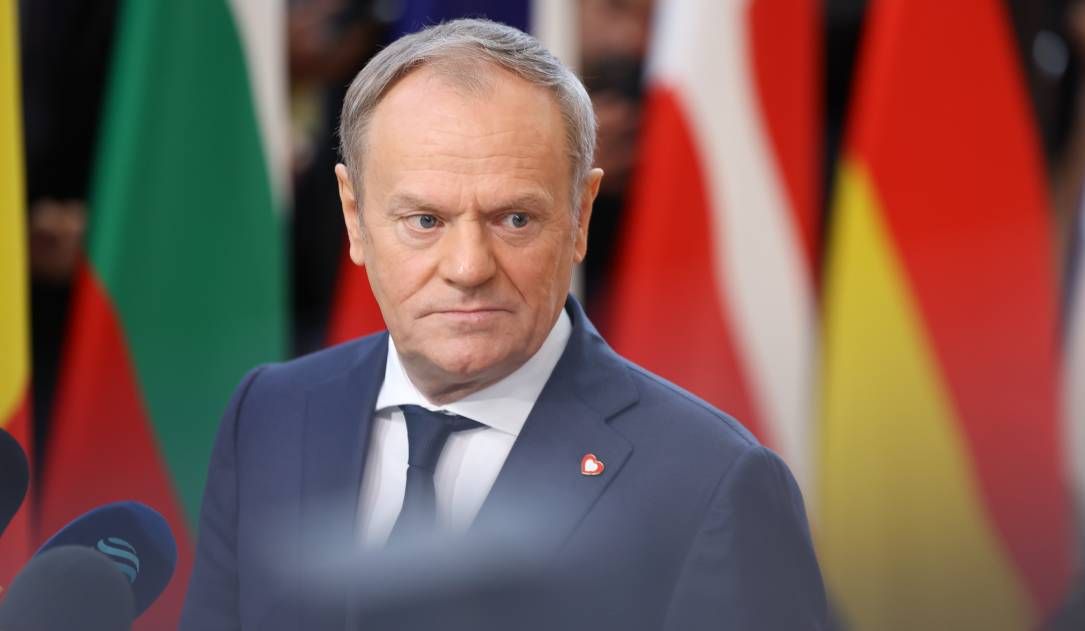
Prime Minister Donald Tusk said on Monday that a surveillance‑software firm’s access to information gathered by the country’s former government represents "one of the biggest scandals in Polish history since the fall of communism," underscoring the political fallout of the case.
Tusk, who ordered a criminal investigation after the allegations surfaced, warned that the episode could erode public confidence in democratic institutions. The probe targets a private spyware manufacturer that, according to preliminary findings, was able to tap data collected by the previous ruling party while it held office.
While details remain limited, officials describe the software as a tool capable of infiltrating smartphones and computers, extracting messages, call logs, and location data. The alleged breach suggests that state‑collected information—originally gathered for security or administrative purposes—was repurposed for commercial exploitation without citizen consent.
Poland’s transition from a Soviet‑era authoritarian regime to a democratic republic in 1989 has been marked by periodic scandals over state surveillance. The current controversy revives memories of past abuses and raises questions about how well the country has institutionalized oversight of intelligence and law‑enforcement tools.
Opposition parties have seized on the development, demanding full transparency and accountability for officials who permitted the data hand‑over. International observers, including the European Union’s data‑protection watchdog, have expressed concern that the incident may contravene EU privacy standards and could prompt broader scrutiny of Polish cybersecurity practices.
The prosecutor’s office is now tasked with determining whether criminal statutes were violated, while a parliamentary committee is expected to examine legislative gaps that allowed the data flow. Legal experts anticipate that any findings could lead to tighter regulations on the procurement and use of surveillance technology by both state actors and private firms.
If the investigation confirms the allegations, the scandal could become a turning point for Poland’s approach to digital rights, prompting reforms aimed at safeguarding citizen data and reinforcing the checks and balances that underpin the post‑communist democratic order.



Comments (0)
Be the first to comment.
Join the discussion