Congressional Report Blames Match Group for Lax Controls Over Dating‑App Fraud
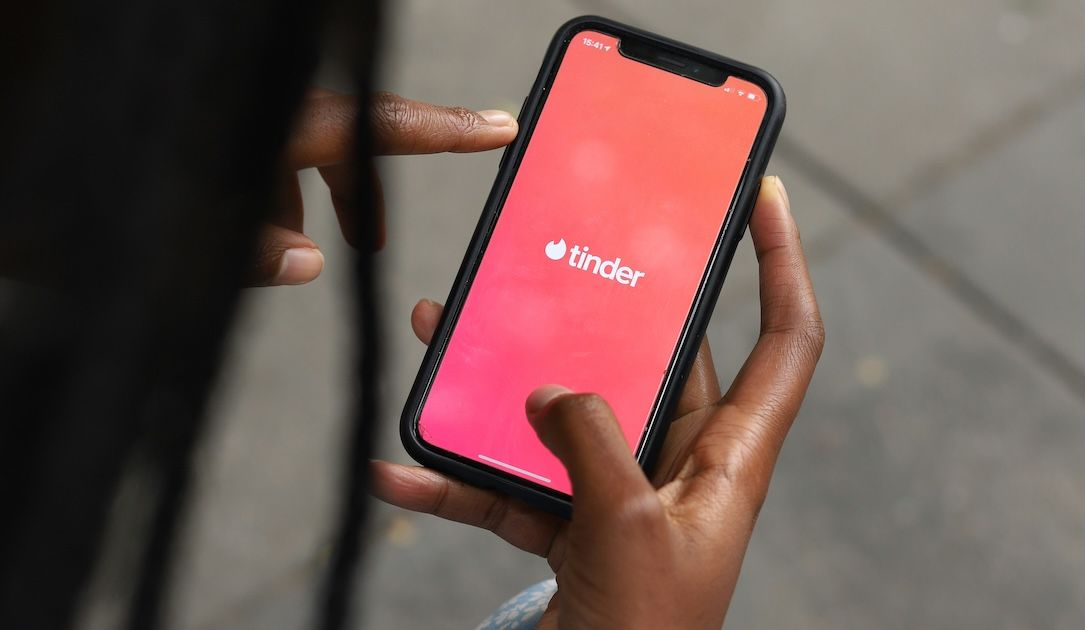
A bipartisan investigation by the Senate's Joint Economic Committee has concluded that Match Group, the parent company of popular dating services such as Tinder, Hinge, Match and Plenty of Fish, failed to implement adequate safeguards against widespread scams on its platforms.
The committee released its findings on Tuesday after a year‑long review that examined how the company monitors fraudulent activity, verifies user identities and responds to reports of deceptive behavior. The study covered the full suite of apps owned by Match Group, noting that many users encounter schemes ranging from fake profiles to payment‑based extortion.
According to the report, the company's existing safety measures were inconsistently applied and often lagged behind the evolving tactics of scammers. investigators noted that automated detection tools were underutilized, while human review processes were insufficiently staffed, allowing deceptive accounts to persist for weeks or months before being removed.
Consumer advocates argue that the shortcomings have real‑world consequences, citing anecdotal evidence of victims losing money, having personal information compromised, and suffering emotional distress. The report highlights that dating‑app fraud has become a growing segment of broader online scams, prompting calls for stronger oversight of platforms that facilitate intimate connections.
Match Group responded to the committee's release by emphasizing recent investments in AI‑driven verification and a pledge to expand its safety team. However, the report contends that these steps were reactive rather than preventive, and that the company had not set clear accountability standards across its portfolio of services.
Legislators on the committee warned that without more rigorous enforcement, the problem could worsen, especially as new features like video chat and integrated payment options become commonplace. They recommended that the Federal Trade Commission consider new guidelines for dating‑app operators, and suggested that Congress could explore legislation to require transparent reporting of fraud incidents.
The findings arrive at a time when policymakers are scrutinizing the broader tech industry for its role in consumer protection. Industry observers expect the report to trigger additional hearings and possibly spur the development of sector‑wide best practices. For now, users of Match Group's apps are left to navigate a landscape where safety tools may not keep pace with the ingenuity of fraudsters, underscoring the need for both corporate and regulatory action.



Comments (0)
Be the first to comment.
Join the discussion