South African activists rally against new data centres, citing water and power strains
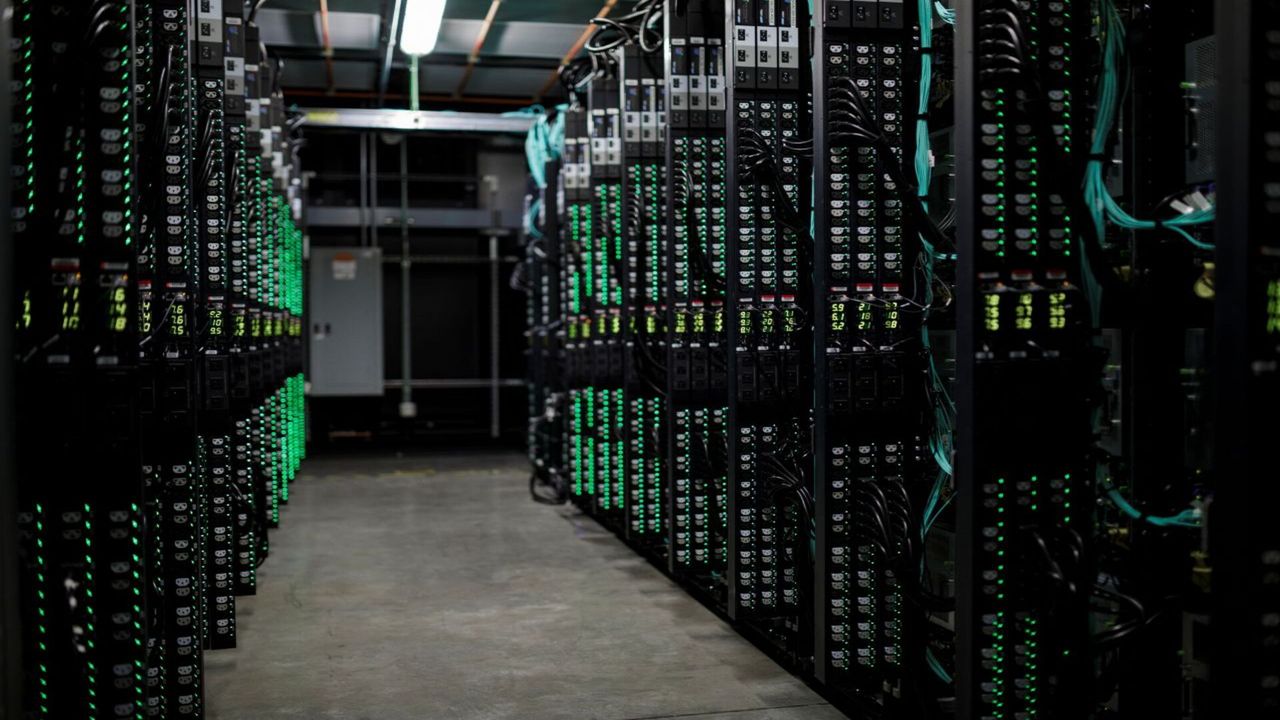
Environmental and civil‑rights groups in South Africa have joined similar movements in Thailand and the United States to demand a pause on the approval of new data‑centre projects, warning that the country’s strained water and electricity supplies cannot sustain another wave of high‑energy facilities.
The call to action is rooted in the lingering memory of Cape Town's 2018 water emergency, when the city teetered on the brink of "Day Zero" and imposed severe water restrictions. Activists argue that data centres, which consume large volumes of cooling water, could exacerbate any future scarcity, especially in regions still recovering from the drought.
Equally pressing is the nation’s chronic electricity shortfall. Frequent load‑shedding has become a fixture of daily life, and the prospect of additional power‑hungry servers has raised alarms among energy regulators. Equinix’s proposed data‑centre in the Western Cape, for example, is projected to draw enough electricity to increase local demand by several megawatts, prompting critics to question whether the national grid can absorb the load without compromising household supply.
In response, a coalition of civil‑rights organisations, consumer‑advocacy groups and local municipalities has issued a joint statement urging the government to conduct comprehensive reviews before green‑lighting any further data‑centre constructions. The groups are calling for mandatory environmental impact assessments that factor in both water usage and electricity consumption, as well as transparent public consultations.
The South African opposition mirrors protests seen in Bangkok, where residents have blocked data‑centre sites over concerns about river water diversion, and in parts of the United States where communities have sued over the carbon footprint of large server farms. In each case, the core argument is the same: rapid digital expansion should not outpace the capacity of essential public utilities.
Industry analysts note that South Africa’s digital economy is poised for growth, with increasing demand for cloud services and internet connectivity. Yet the tension between economic ambition and resource reality could force policymakers to rethink the balance, potentially introducing stricter licensing criteria or incentives for low‑energy designs.
The next weeks will likely see the Department of Mineral Resources and Energy reviewing the pending applications, while the data‑centre sector prepares to defend its contribution to job creation and technological advancement. Whether South Africa will adopt a more cautious rollout or proceed with the projects remains to be seen, but the mounting public pressure signals that future developments will have to address water and power sustainability more explicitly.


Comments (0)
Be the first to comment.
Join the discussion