Smart Prescription Eyewear: Benefits, Drawbacks and the Decision Ahead
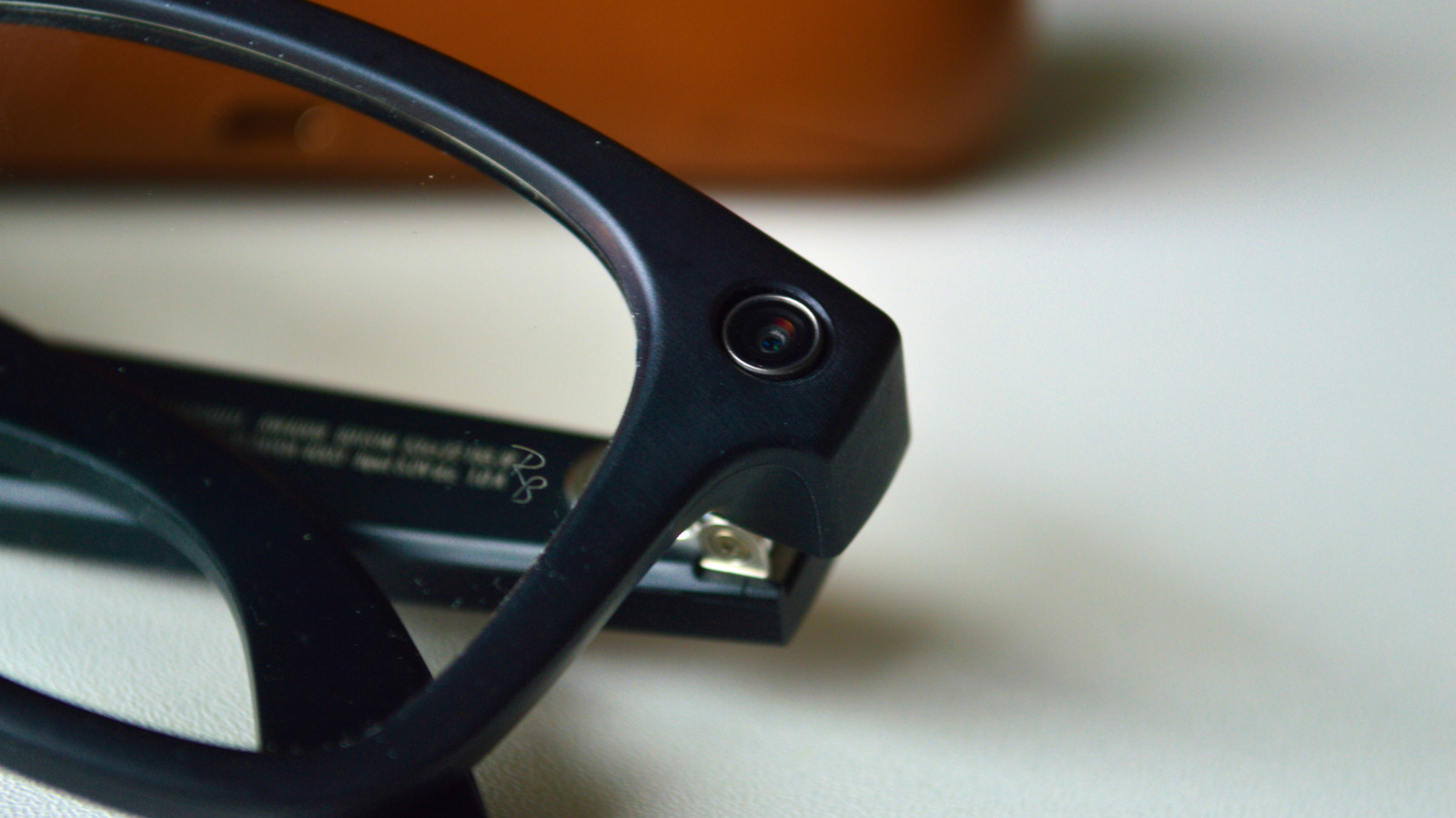
Tech companies are rolling out a new generation of smart glasses that can double as prescription lenses, promising to merge everyday vision correction with augmented reality features. The devices, which embed cameras, microphones and displays into frames that look like ordinary spectacles, are marketed as a single solution for both visual acuity and digital interaction.
Consumers who need corrective lenses can now order these smart frames with their specific prescription, eliminating the need to wear a separate pair of glasses for reading or driving. Manufacturers argue that the integrated approach simplifies daily routines and opens the door to hands‑free notifications, navigation prompts and health‑monitoring tools directly in the wearer’s line of sight.
However, the technology is still in its early commercial phase, and potential buyers are urged to weigh several practical considerations. The price point of AI‑enabled eyewear typically exceeds that of conventional prescription glasses, reflecting the cost of sensors, processors and battery packs. Battery life remains limited, often requiring nightly charging that can be inconvenient for users accustomed to all‑day wear.
Privacy concerns also figure prominently in the debate. Built‑in cameras and microphones raise questions about inadvertent recording and data security, especially in public spaces where by‑standers may be unaware of being captured. Moreover, the visual display area of most smart glasses is relatively small, offering a narrow field of view that may not satisfy users seeking immersive augmented reality experiences.
Industry analysts suggest that adoption will likely hinge on how well manufacturers balance functionality with comfort and affordability. As software ecosystems mature and developers create more useful applications, the value proposition of having a single device for vision correction and digital assistance could become more compelling. Until then, experts recommend that prospective buyers research the specific features, read user reviews and compare the total cost of ownership with that of traditional prescription eyewear before making a purchase.



Comments (0)
Be the first to comment.
Join the discussion