Sizing Solar Panels for RVs: How to Determine the Right Capacity
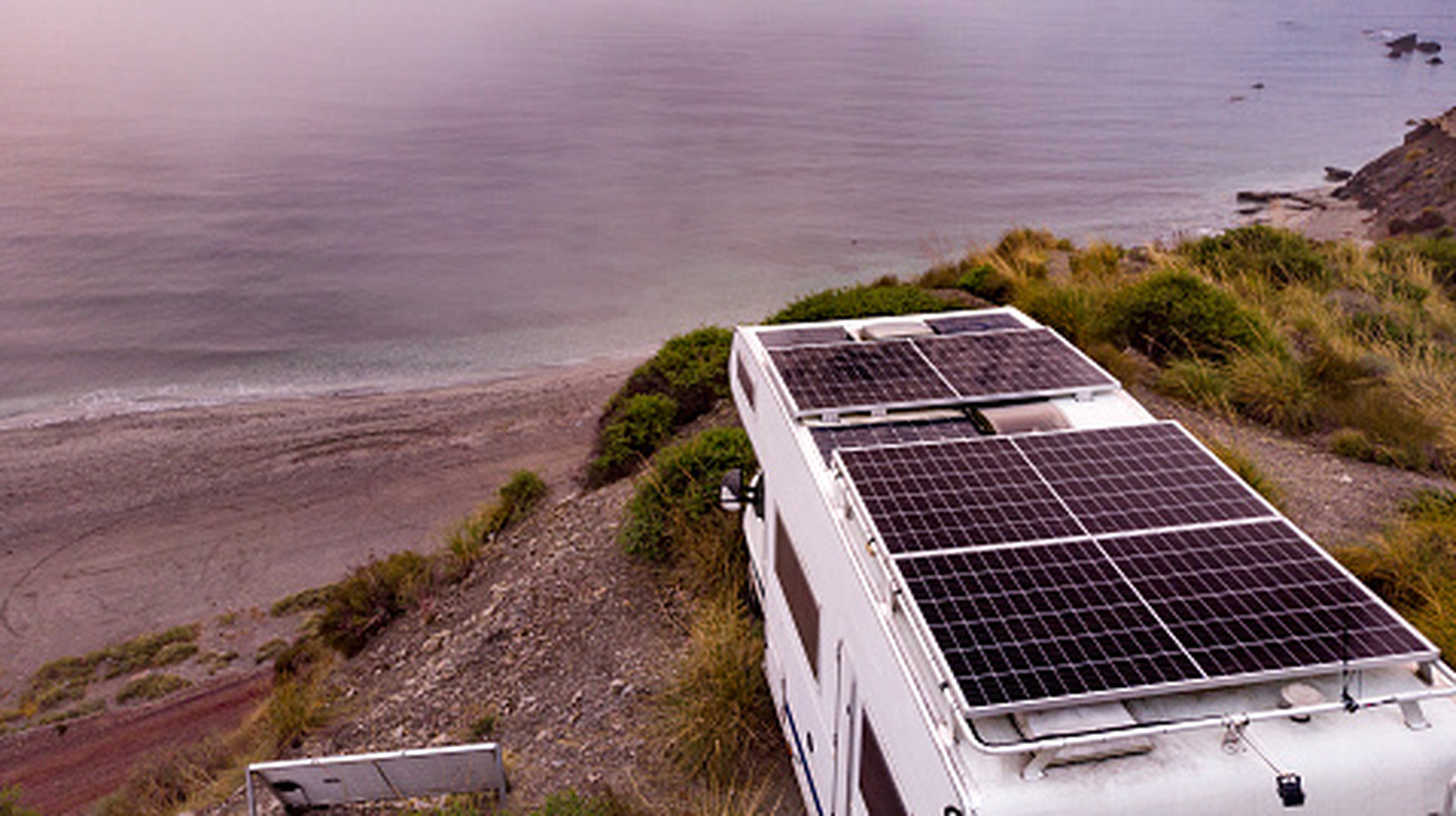
Travelers who rely on solar energy to power their recreational vehicles must first answer a simple question: how many watts of sunlight are required to meet daily needs? Without a clear estimate, owners risk under‑performing systems that leave batteries depleted or overspending on oversized arrays that add weight and cost without benefit.
Accurate sizing begins with a thorough audit of electricity use inside the RV. Appliances such as refrigerators, air‑conditioners, water pumps, lights and electronic devices each draw a specific amount of power, typically measured in watt‑hours. By adding the expected daily consumption of all devices and comparing it to the capacity of the onboard battery bank, owners can calculate the net energy that must be supplied by solar panels each day.
Most midsize motorhomes and tow‑behind trailers consume roughly 2,000 to 5,000 watt‑hours in a typical 24‑hour period, depending on climate control and entertainment habits. Assuming an average of four peak sun hours per day—a figure that varies with latitude, season and weather—an RV needing 3,500 watt‑hours would require a solar array of about 875 watts (3,500 ÷ 4). Adjustments are necessary if the vehicle will operate in regions with less sunlight or if the owner plans to run high‑draw items like an inverter or electric heater.
Practical considerations extend beyond raw numbers. Shading from trees, awnings or the vehicle’s own roof can reduce panel output by 20 % or more, so placement and tilt angle matter. A charge controller, preferably a maximum‑power‑point‑tracking (MPPT) model, is essential to convert variable solar input into usable battery charge efficiently. Inverters add another layer of loss, typically 10‑15 % of the power drawn, and should be sized to handle peak loads without overtaxing the system.
Tools such as online solar calculators and mobile apps can simplify the estimation process, allowing owners to input appliance lists, battery specifications and expected sun exposure to receive a recommended panel size. As solar technology continues to improve and prices drop, more RV enthusiasts are adopting modular, flexible panels that can be added incrementally. By matching solar capacity to actual energy demand, travelers can enjoy off‑grid freedom while keeping weight, cost and complexity in check.



Comments (0)
Be the first to comment.
Join the discussion