Screenless Wearables Signal a Shift Toward Low‑Profile Health Tracking
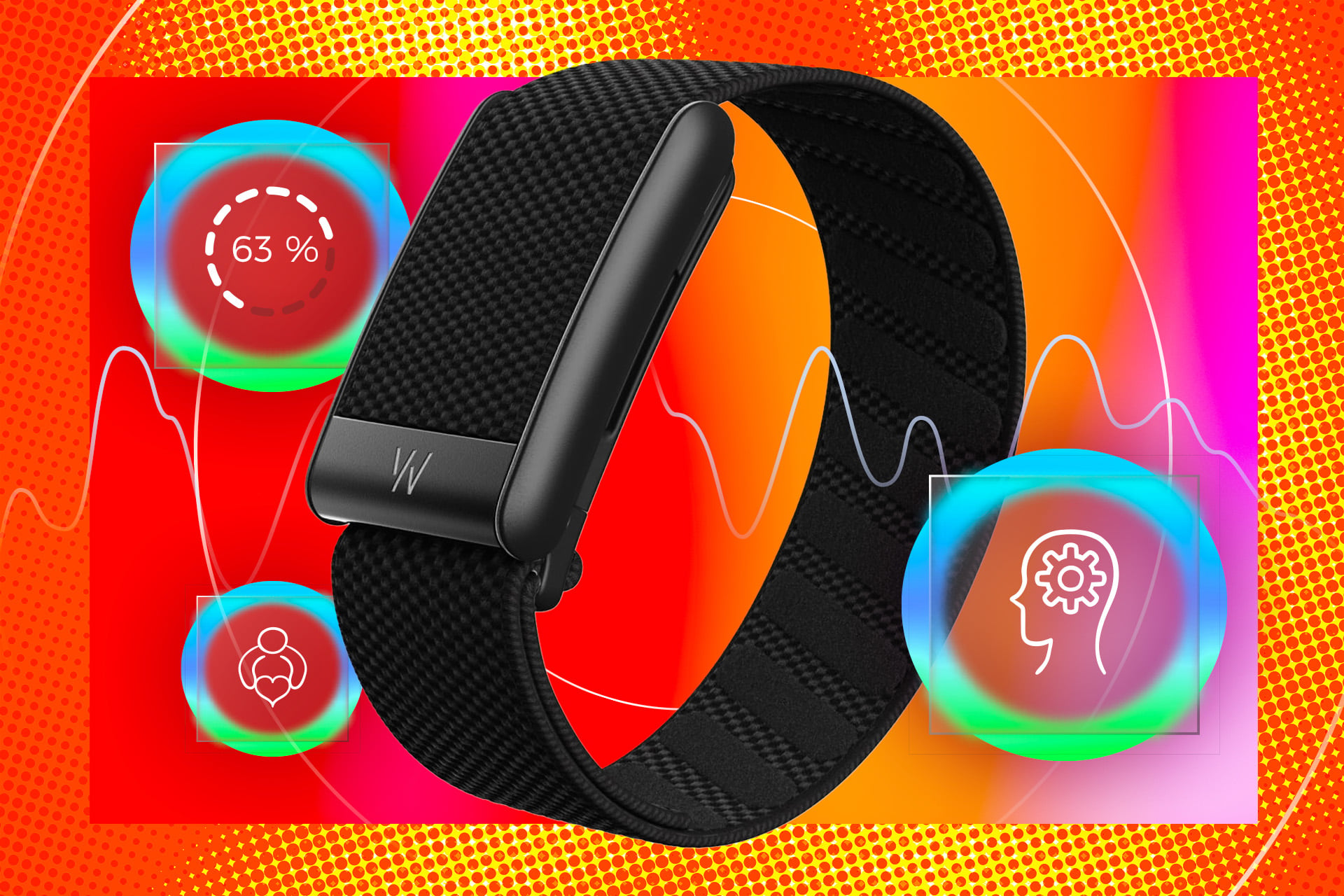
Screenless wearables are emerging from the fringes of the gadget market to become a mainstream option for health monitoring, marking a notable step in the evolution of wearable technology.
Unlike traditional smartwatches that rely on visible displays, these devices—such as smart rings, discreet bands, and adhesive patches—track metrics like heart rate, sleep patterns, and activity levels without a screen. Users receive alerts through subtle vibrations or notifications on a paired smartphone, while the hardware itself remains unobtrusive.
The shift comes as flagship products like the Apple Watch, Samsung Galaxy Watch and Google Pixel Watch dominate the premium segment, often commanding higher price points and larger screens. Screenless alternatives appeal to consumers who prioritize comfort, longer battery life, and a minimalist aesthetic, offering a quieter, less conspicuous way to stay connected to health data.
Industry observers note a steady increase in sales and app integration for these minimalist devices. Major health platforms, including Apple Health and Google Fit, now accept data from screenless wearables, broadening their utility and encouraging users to adopt multiple tracking tools without redundancy.
Health experts argue that the growing acceptance of low‑profile wearables could expand preventive care by making continuous monitoring more accessible to a wider audience. The reduced visual distraction and extended battery cycles may also address privacy concerns, as fewer on‑device prompts limit the potential for inadvertent data exposure.
Looking ahead, manufacturers are expected to enrich screenless offerings with advanced sensors, AI‑driven insights, and tighter integration with telehealth services. As regulatory frameworks around personal health data evolve, the sector may see heightened standards for accuracy and security, further cementing screenless wearables as a durable component of the digital health landscape.


Comments (0)
Be the first to comment.
Join the discussion