New Research Shows Lions Keep Their Distance From Hyenas, Not the Other Way Around
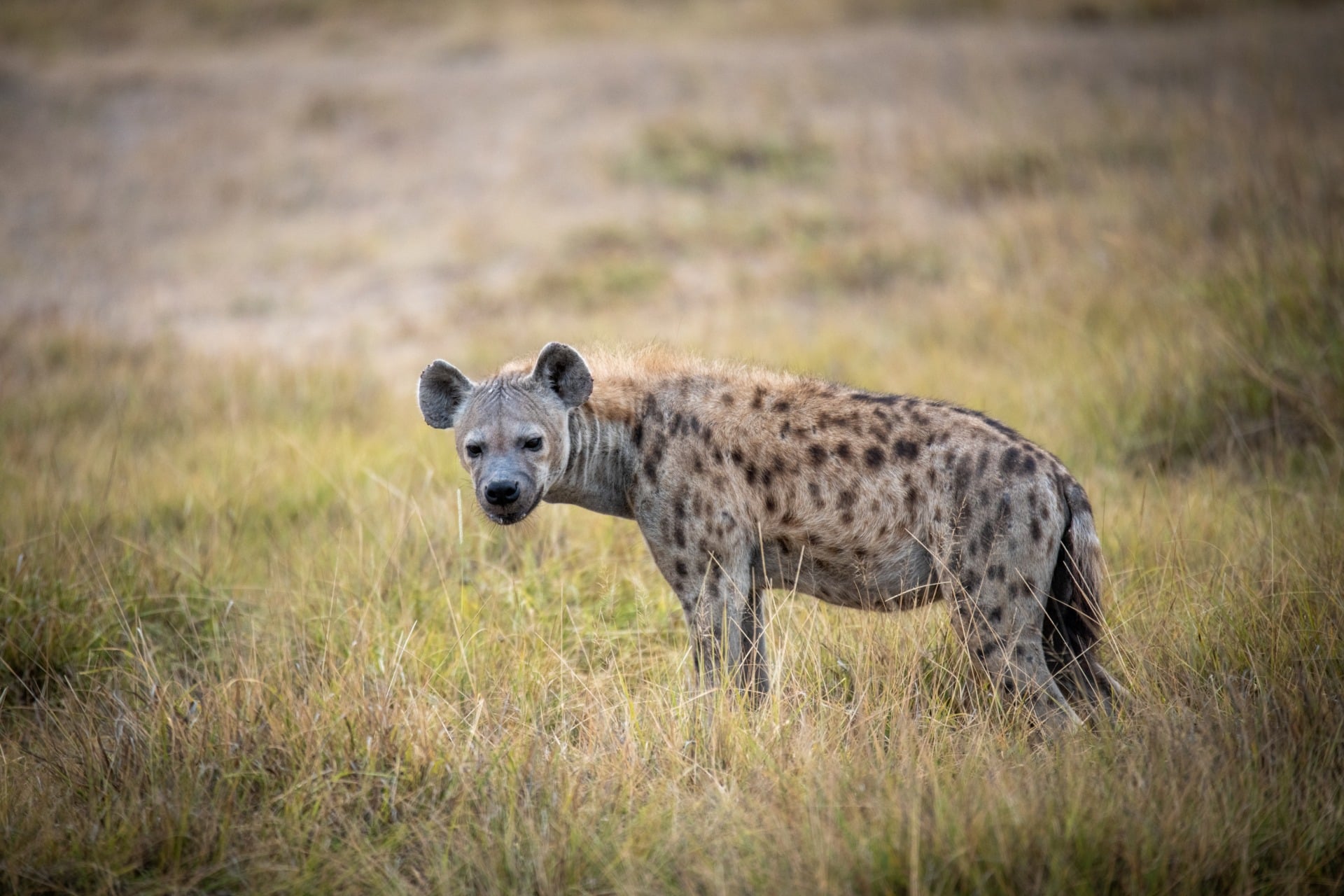
Recent field observations have upended a long‑standing assumption about Africa's iconic predators. While many textbooks have suggested that spotted hyenas routinely shadow lion prides to scavenge leftovers, a fresh study indicates the opposite dynamic: lions are more likely to steer clear of hyena territories, especially when the carnivores are feeding or resting.
The research, conducted across several savanna reserves, combined motion‑activated camera traps with GPS tracking data from both species. Analysts noted that lion movements rarely intersected with active hyena clans, and when they did, the felines often altered their route or delayed their approach. In contrast, hyenas displayed no pattern of trailing lion movements, and their hunting success appeared unaffected by nearby lion activity.
Scientists attribute the shift in understanding to the nuanced social structures and competitive strategies of the two carnivores. Hyenas, which operate in large, matriarchal packs, are adept at defending kills and can quickly intimidate intruding lions, especially younger or solitary individuals. Lions, on the other hand, tend to prioritize energy‑efficient hunting and avoid costly confrontations that could jeopardize a kill or risk injury.
This revised view of inter‑species interaction has broader implications for ecosystem management. Predatory balance on the savanna hinges on the spatial and temporal partitioning of resources; knowing that lions may deliberately avoid hyena hotspots helps explain patterns of prey depletion and carcass distribution observed by park rangers. It also underscores the importance of protecting both predator populations, as their coexistence shapes the health of herbivore communities.
Looking ahead, researchers plan to expand the monitoring network to include additional reserves and to incorporate seasonal variables such as drought and migration. By refining models of predator avoidance and competition, wildlife biologists hope to better predict how shifts in climate or human encroachment might alter the delicate dance between lions and hyenas in the future.


Comments (0)
Be the first to comment.
Join the discussion