Study Links Common Gut Bacterium’s Toxin to Colorectal Cancer Development
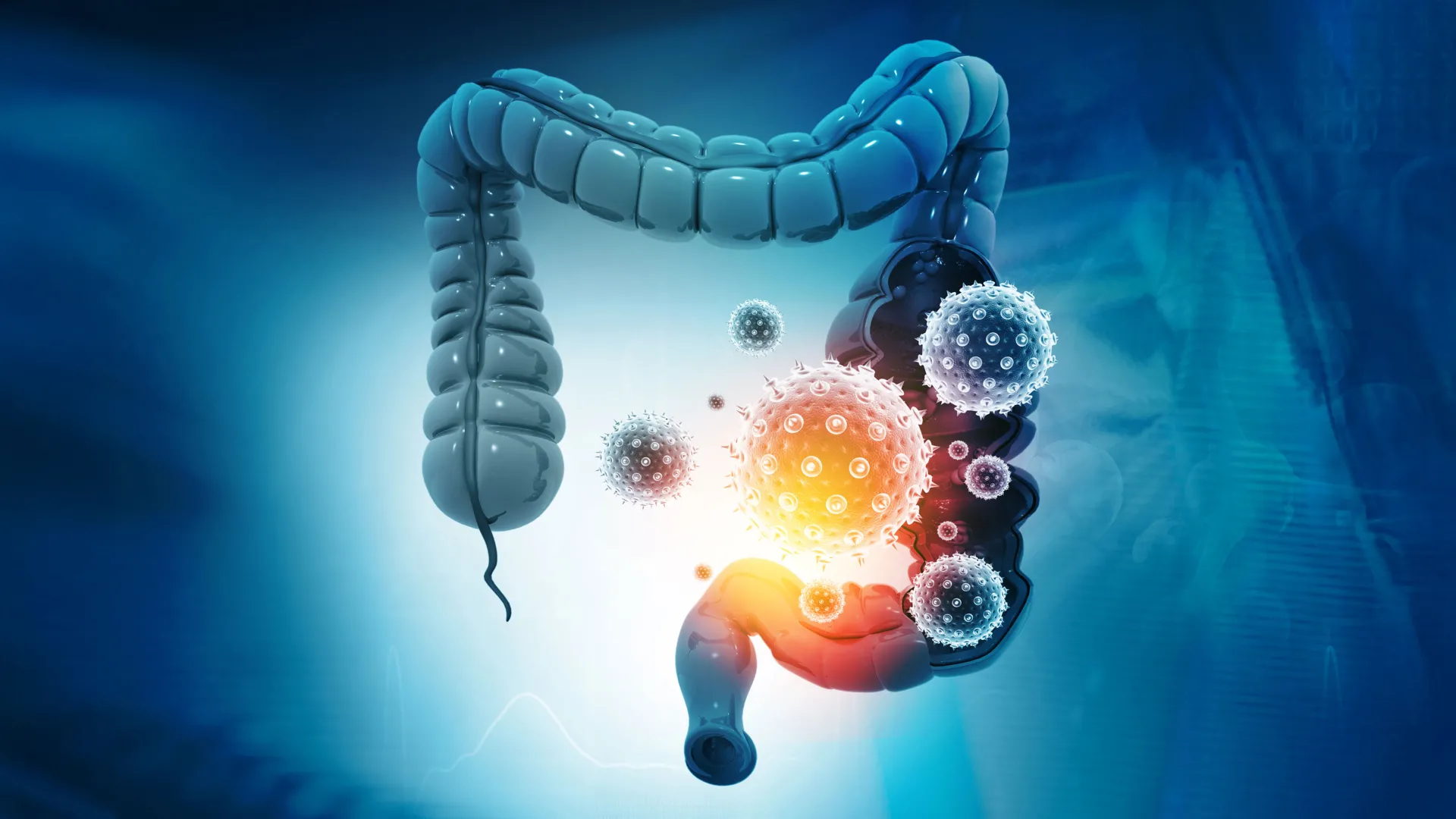
Researchers at Johns Hopkins University have identified a missing mechanistic link between a prevalent gut microbe and the onset of colorectal cancer, offering a clearer picture of how bacterial activity can influence tumor formation.
The team focused on Bacteroides fragilis, a bacterium that routinely inhabits the human intestine. While prior epidemiological work hinted at an association between the microbe and higher rates of colon tumors, the exact pathway remained speculative. By isolating a specific toxin produced by the bacterium—known as B. fragilis toxin (BFT)—the scientists demonstrated that the compound can directly damage the lining of the colon and trigger cellular changes that predispose tissue to malignancy.
In laboratory experiments, exposure of cultured colon epithelial cells to purified BFT led to disruption of tight junctions, inflammation, and activation of signaling cascades commonly observed in early-stage colorectal cancer. Parallel mouse studies showed that animals colonized with toxin‑producing strains of B. fragilis developed more frequent and larger adenomas compared with those harboring non‑toxic variants.
These findings close a two‑decade‑long gap in understanding how the gut microbiome contributes to cancer risk. Earlier research had established that diet, genetics, and chronic inflammation are key drivers of colorectal cancer, but the role of specific bacterial products remained elusive. By pinpointing BFT as a causative agent, the study adds a concrete biological mechanism to the broader narrative that microbial imbalances can promote oncogenesis.
The discovery carries potential clinical implications. Screening for the presence of toxin‑producing B. fragilis strains could become part of risk‑assessment protocols, and therapeutic strategies aimed at neutralizing BFT or reshaping the gut microbiota might emerge as adjuncts to existing preventive measures such as colonoscopy and lifestyle interventions.
Future research will need to address several unanswered questions, including how widespread toxin‑producing B. fragilis is across diverse populations and whether dietary or probiotic interventions can effectively suppress its activity. Nonetheless, the Johns Hopkins team's work marks a significant step toward translating microbiome science into actionable tools for cancer prevention and treatment.


Comments (0)
Be the first to comment.
Join the discussion