New Book Probes the Question of Whether Animals Can Truly Lie
A recently released work titled "Liars, Cheats and..." delves into one of biology's most contentious topics: can non‑human creatures deliberately deceive? The author, a veteran biologist, argues that while deception is abundant in the natural world, the line between instinctual mimicry and conscious falsehood remains blurry.
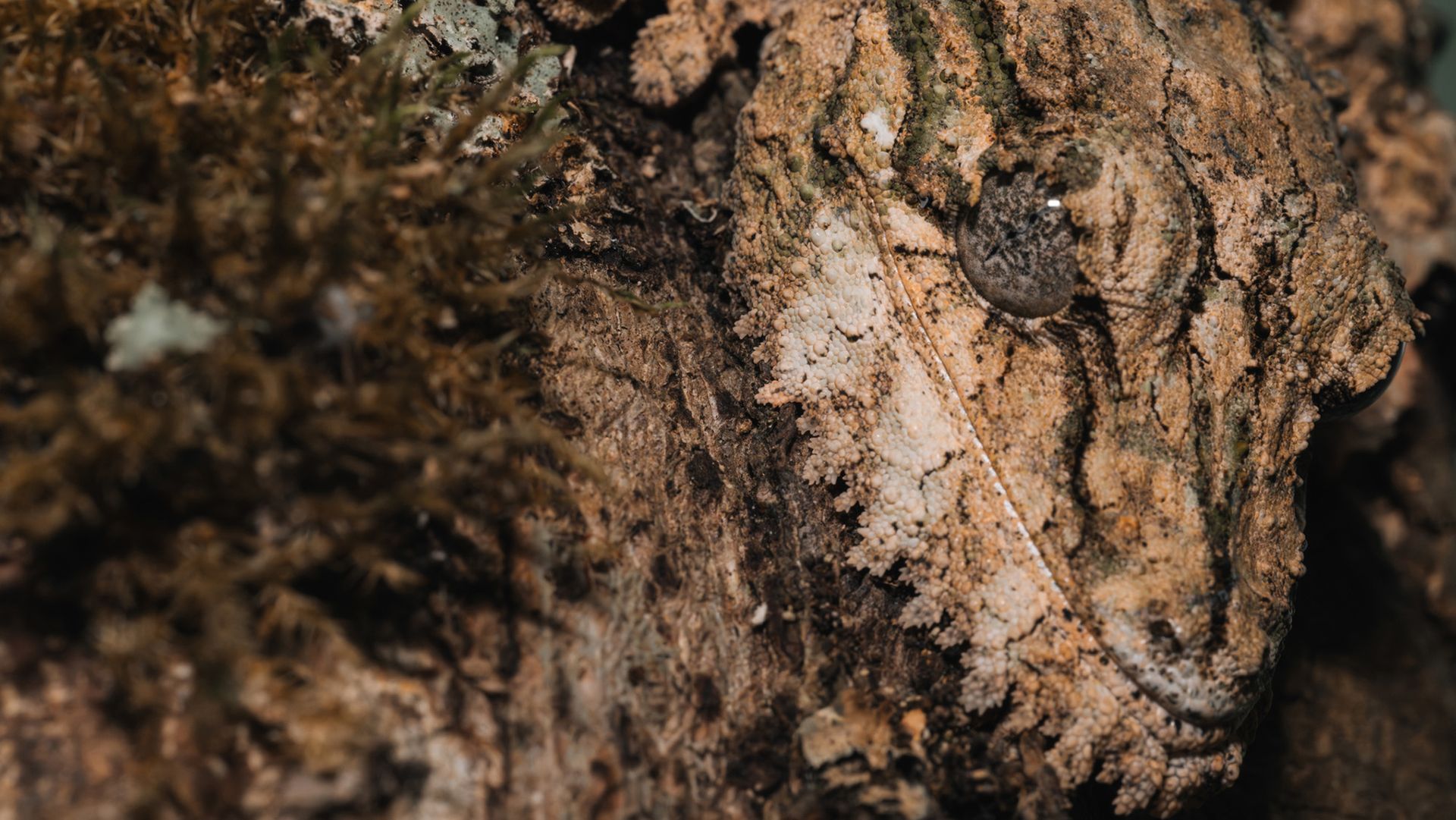
Deceptive tactics appear across taxa, often without any hint that the deceiver is aware of its ruse. Certain moths, for example, have evolved wing patterns that closely resemble the warning colors of hornets, deterring predators that mistake them for stinging insects. Orchid mantises take the trick a step further, shaping their bodies and movements to look like blooming flowers, thereby enticing pollinators that unwittingly become prey.
The biologist contends that most of these strategies arise from evolutionary pressures rather than intentional scheming. "When a trait that improves survival is passed down, the organism doesn't need to understand why it works," he writes. This perspective frames deception as a product of natural selection acting on phenotypes, not as a cognitive decision made by the animal.
Nevertheless, the book highlights cases where the boundary between instinct and intent is less clear. Some corvids, such as crows and ravens, have been observed hiding food and later retrieving it only after a rival has passed, suggesting a level of planning. Similarly, certain primates use false alarm calls to distract competitors while they access a resource. These behaviors raise the possibility that some animals possess the mental flexibility to manipulate the expectations of others.
Understanding whether animals can lie has implications beyond academic curiosity. It informs debates about animal consciousness, moral consideration, and the evolution of complex communication systems. If intentional deception is present, it could signal higher-order cognition comparable, in some respects, to human social strategies.
The scientific community has greeted the book with cautious interest. Evolutionary biologists applaud the thorough review of known deceptive adaptations, while cognitive ethologists point out that experimental evidence for intentional falsehood remains scarce. Ongoing studies employing controlled experiments and neuroimaging aim to tease apart reflexive mimicry from purposeful misrepresentation.
Future research is likely to focus on designing experiments that can isolate intent, perhaps by testing whether animals adjust their deceptive signals based on the knowledge state of their targets. As the dialogue continues, the new book serves as a catalyst for re‑examining long‑held assumptions about the mental lives of the creatures that share our planet.


Comments (0)
Be the first to comment.
Join the discussion