Oral Health Reveals Hidden Connection to Serious Heart Valve Condition
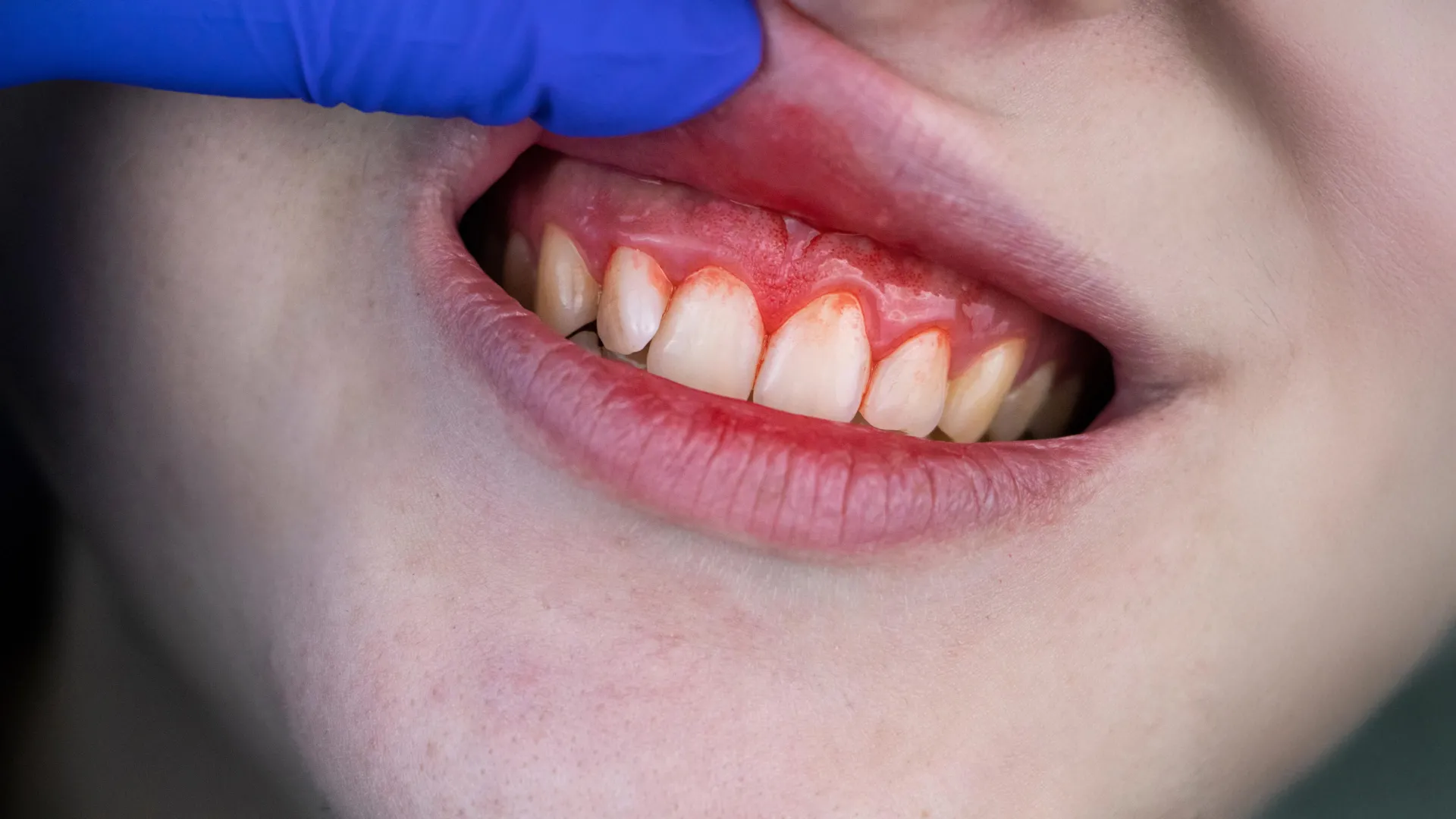
New research indicates a potential connection between common bacteria associated with gum disease and the development of calcific aortic valve stenosis, a serious cardiovascular condition. Early findings suggest that specific bacteria originating in the mouth may contribute to the hardening and narrowing of heart valves by initiating inflammatory responses and promoting calcium deposits within the valve tissue.
Calcific aortic valve stenosis (CAVS) is a progressive and increasingly prevalent heart valve disorder, particularly among older adults. It occurs when the heart's aortic valve, responsible for regulating blood flow from the heart to the rest of the body, becomes stiff and constricted due to calcium buildup. In advanced stages, CAVS can severely impede blood flow, leading to symptoms like chest pain, shortness of breath, and eventually heart failure, often necessitating surgical valve replacement.
The study's preliminary observations point to the role of oral bacteria in exacerbating this calcification process. Researchers propose that these microbes, potentially entering the bloodstream from infected gums, might trigger an immune response within the aortic valve. This inflammation, in turn, could create an environment conducive to the deposition of calcium, gradually hardening the valve leaflets and impairing their function.
This emerging understanding holds significant implications for both cardiovascular medicine and public health. If confirmed, it could redefine risk factors for CAVS, moving beyond traditional considerations like age, hypertension, and high cholesterol to include oral hygiene. The discovery opens avenues for exploring novel therapeutic strategies aimed at slowing or even preventing the progression of this debilitating valve disease.
While these findings are considered early-stage, they underscore the complex interplay between seemingly disparate parts of the body. Further investigation is crucial to fully elucidate the exact mechanisms by which gum disease bacteria might influence heart valve calcification and to determine the extent of this association in broader populations. Long-term studies and clinical trials will be essential to validate these initial observations.
For now, the research adds another compelling reason to prioritize good oral hygiene. Maintaining healthy gums through regular brushing, flossing, and dental check-ups is a simple, cost-effective measure. While its direct impact on preventing CAVS still requires more definitive proof, the known benefits of oral health for overall well-being, including reducing systemic inflammation, make it a worthwhile endeavor.
Ultimately, this research contributes to a growing body of evidence highlighting the systemic consequences of oral health. It suggests that what happens in the mouth may not stay in the mouth, potentially influencing the health of vital organs like the heart and offering a new perspective on preventing a major cause of cardiovascular morbidity.


Comments (0)
Be the first to comment.
Join the discussion