Cumbria Launches Vital Dune Project to Protect Britain's Rare Natterjack Toads and Unique Beetles
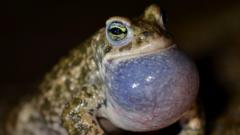
A significant conservation initiative is now underway in Cumbria, focusing on the restoration and protection of crucial dune habitats. This project aims to provide a lifeline for some of Britain's most vulnerable wildlife, including the rare natterjack toad and various specialized beetle species, underscoring the region's critical role in national biodiversity efforts.
Conservationists have long identified Cumbria as one of the last remaining strongholds for the natterjack toad across Britain. This amphibian requires specific, fragile dune environments, characterized by shallow, temporary pools for breeding and sandy terrain for foraging and burrowing. The new project is designed to enhance these essential conditions, ensuring the survival of these distinctive creatures.
The scope of a dune project typically involves a range of ecological interventions. This can include careful management of vegetation to prevent overgrowth, the creation or restoration of shallow scrapes and ponds that mimic natural breeding pools, and the stabilization of sandy areas where specific plants and insects thrive. Such actions are vital not only for the natterjack toad but also for the numerous beetle species that depend on these unique coastal ecosystems.
The decline of species like the natterjack toad highlights broader environmental challenges, particularly habitat loss and fragmentation. Coastal dune systems, while rich in biodiversity, are often under pressure from human development, recreational use, and natural processes exacerbated by climate change. Projects like the one in Cumbria are therefore crucial in mitigating these threats and preserving the intricate web of life within these fragile landscapes.
By actively managing and restoring these natural spaces, conservationists hope to reverse the declining trends for these rare species. The health of these indicator species often reflects the overall health of the ecosystem, making their protection a priority for maintaining ecological balance and resilience in the face of environmental changes.
The long-term success of such a project hinges on sustained effort and careful monitoring of the restored habitats and the populations they support. It represents a proactive step towards safeguarding a unique part of Britain's natural heritage, providing a model for how local action can contribute significantly to national conservation goals.
Ultimately, the Cumbrian dune project is more than just an effort to save specific animals; it's an investment in the health of an entire ecosystem. By ensuring the future of its rare toads and beetles, Cumbria is reaffirming its commitment to environmental stewardship and the preservation of Britain's irreplaceable natural wonders.


Comments (0)
Be the first to comment.
Join the discussion