Scientists Document First U.S. Presence of Newly Identified Mosquito Species Aedes amateuri
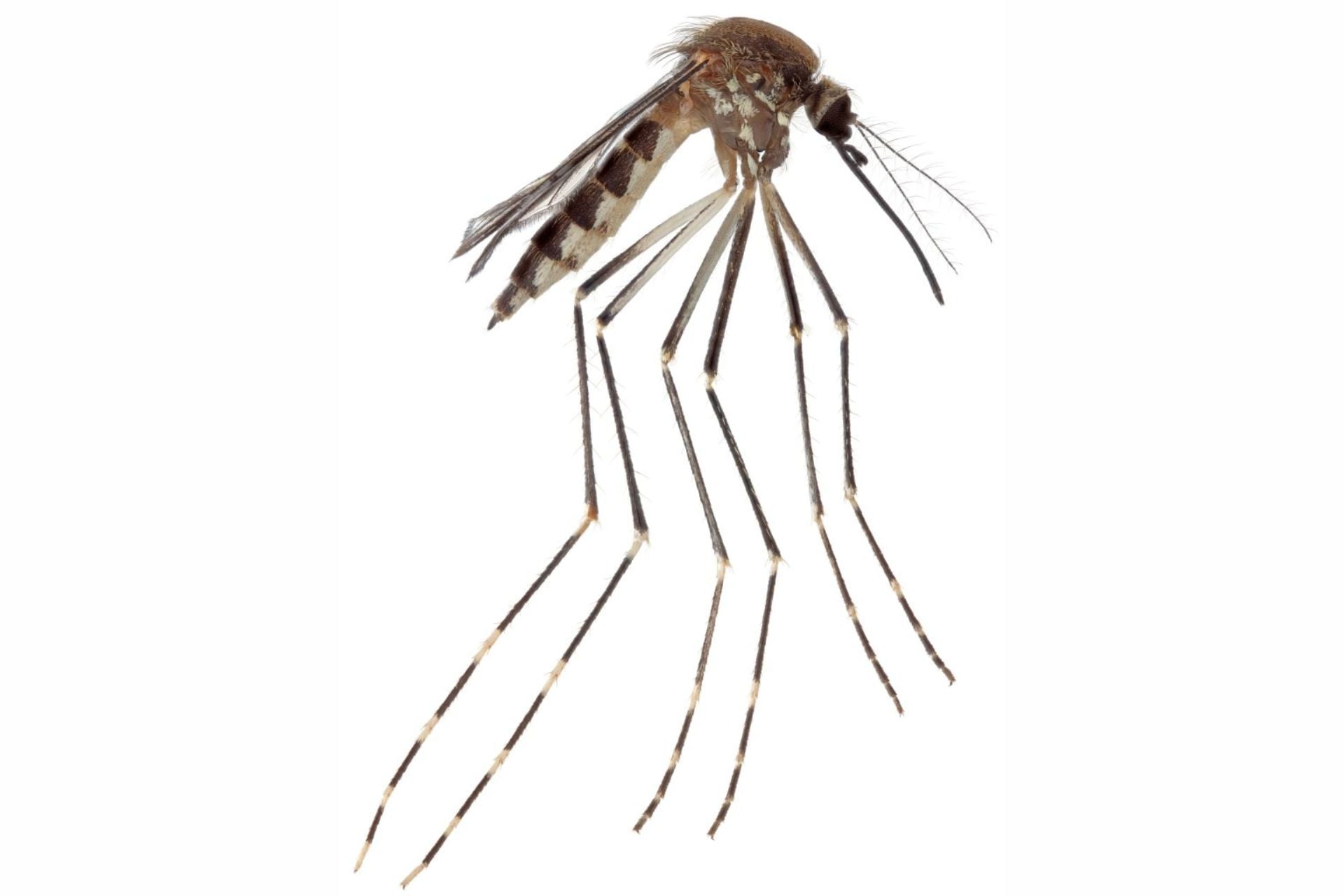
Entomologists have officially recorded the presence of a mosquito species previously unknown within United States borders: Aedes amateuri. The finding marks the first time the species has been confirmed on American soil, prompting heightened attention from public‑health officials and researchers alike.
The identification emerged from routine vector‑surveillance efforts, during which specialists examined captured specimens using morphological keys and genetic sequencing. Those analyses matched the insects to the Aedes amateuri taxon, a member of the broader Aedes genus that had until now been documented only in regions outside the United States.
While the health implications of the newcomer remain uncertain, the discovery raises concerns because many Aedes mosquitoes serve as vectors for viruses such as dengue, Zika, chikungunya, and West Nile. Authorities stress that early detection is crucial; understanding a species' distribution and behavior can inform targeted control strategies before it becomes established or associated with disease transmission.
The Aedes genus includes several notorious pests, most notably Aedes aegypti and Aedes albopictus, which have spread globally and required extensive public‑health campaigns. Aedes amateuri, though less studied, shares key biological traits with its relatives, including a preference for breeding in small water collections. Researchers note that the species’ adaptability to urban and suburban habitats could facilitate its spread if suitable conditions exist.
Moving forward, federal and state agencies plan to expand monitoring networks to track the mosquito’s range and population trends. Collaborative studies will aim to map its ecological niche, assess potential interactions with existing mosquito communities, and evaluate any emerging disease risk. The prompt scientific response underscores a broader commitment to proactive vector management in an era of shifting climate patterns and global travel, which together increase the likelihood of new insect arrivals.



Comments (0)
Be the first to comment.
Join the discussion