Samsung Eyes Texas for Innovative Waterborne Data Center Amidst Grid Scrutiny
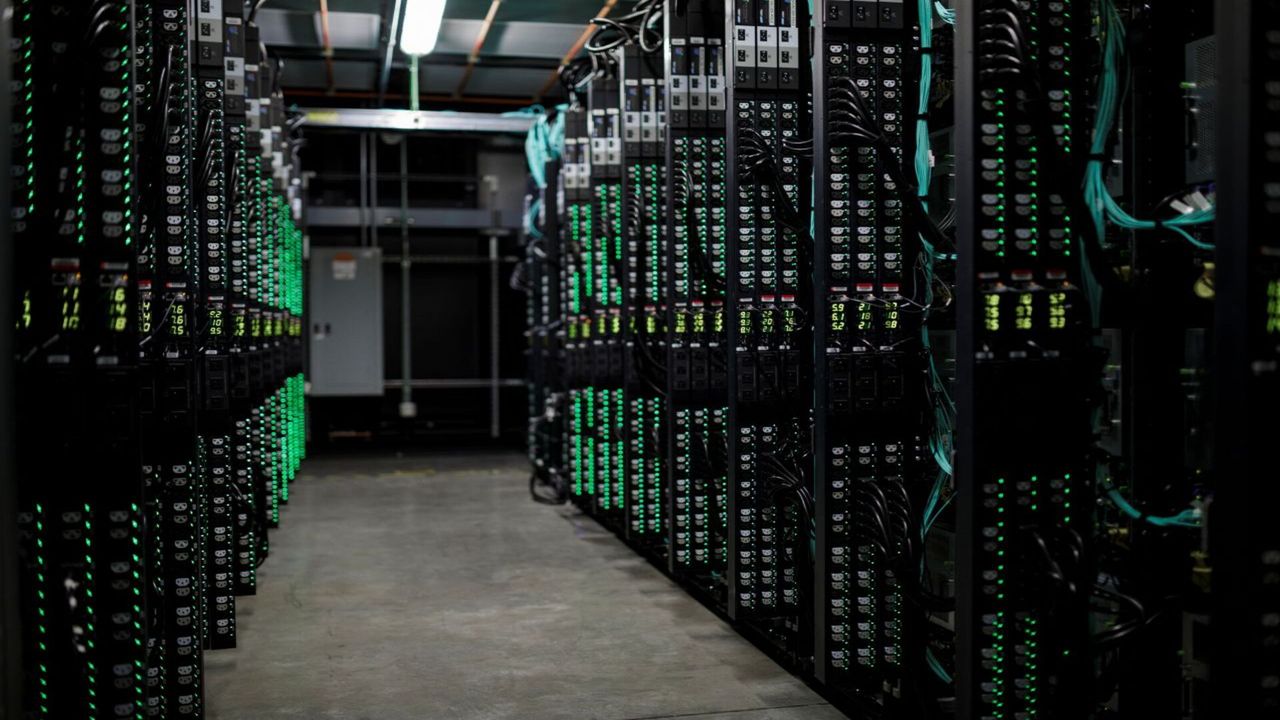
Samsung is advancing its ambitious initiative to deploy floating data centers, with Texas identified as a key location for the project's initial engineering agreement. This innovative concept envisions large, waterborne facilities capable of delivering substantial computing power, addressing the growing global demand for data infrastructure.
The proposed floating data centers are designed to be highly modular and transportable, promising a significant reduction in the construction timelines typically associated with traditional land-based facilities. Each unit is projected to offer up to 50 megawatts (MW) of capacity and incorporates a self-cooling mechanism, leveraging the surrounding water to manage heat generated by servers. This approach could offer environmental benefits and operational efficiencies.
The decision to pursue an engineering agreement in Texas underscores the state's strategic importance in the technology sector, driven by a burgeoning economy and increasing digital demands. As companies like Samsung seek to expand their infrastructure footprint, innovative solutions are becoming increasingly vital to meet the escalating need for data processing and storage.
However, the path forward for new data center developments in Texas is not without potential obstacles. The state's electrical grid is currently undergoing a comprehensive review, a process that has introduced a fresh layer of uncertainty for all expanding energy-intensive projects, including large-scale data facilities. This scrutiny could influence the permitting and operational landscape for Samsung's proposed venture.
The floating data center concept represents a significant departure from conventional designs, potentially offering a blueprint for rapid deployment in various coastal or inland water bodies globally. Its ability to self-cool, coupled with its modularity, positions it as a potentially attractive solution for regions facing land constraints or seeking more sustainable cooling methods for their digital infrastructure.
While the engineering agreement marks a critical step, the project will likely face further regulatory and logistical considerations. The interaction with Texas's evolving energy policy and infrastructure will be a crucial factor in determining the timeline and ultimate success of Samsung's innovative data center vision, as reported by TechRadar.
Should the project navigate these challenges successfully, it could set a precedent for future data center construction, demonstrating a viable alternative that blends high capacity with potentially faster deployment and improved energy management, offering a glimpse into the future of digital infrastructure.



Comments (0)
Be the first to comment.
Join the discussion