Samsung Galaxy Watch Ultra 2 review: slimmer, lighter, better
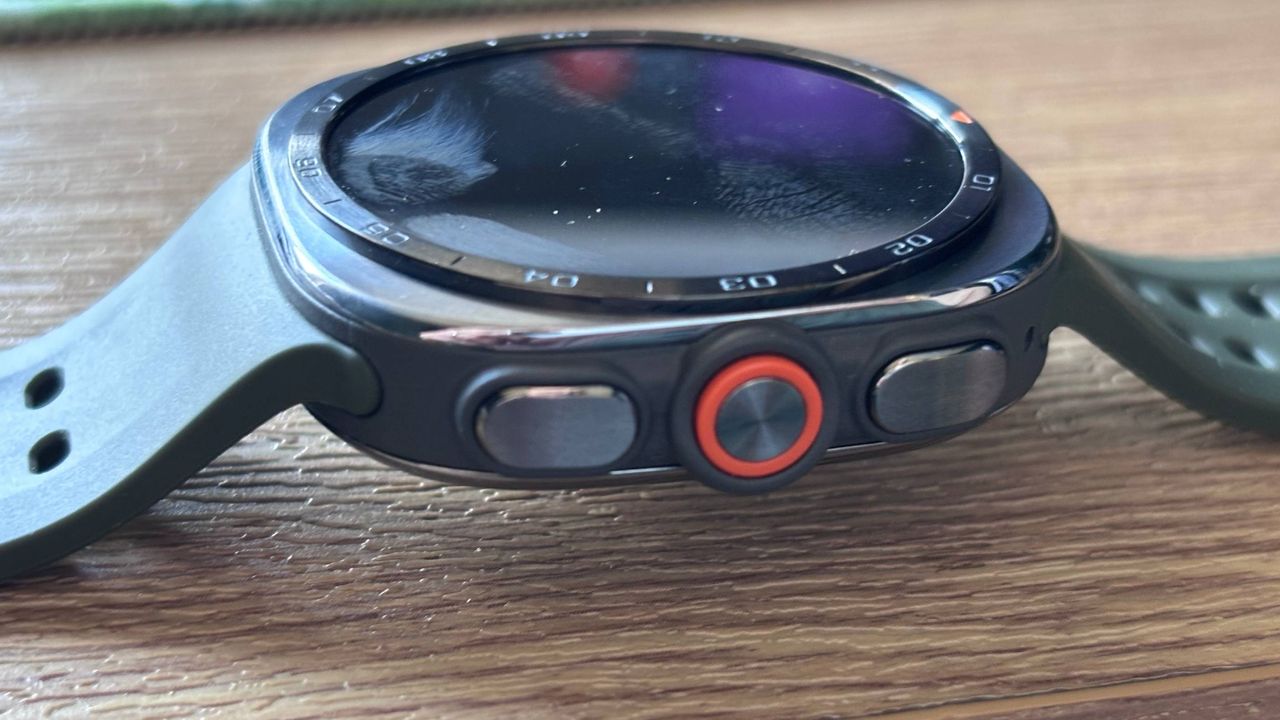
The Samsung Galaxy Watch Ultra 2 might look much the same as last year’s Galaxy Watch Ultra, but it feels very different to wear thanks to Samsung’s efficiency savings. A 12% slimmer titanium body and a lighter band (that remains the same size) mean the watch weighs less as an overall package and has better lockdown onto your wrist, so it doesn’t move around as much during strenuous exercise.
It’s got a new chipset under the hood: the AI-capable Qualcomm Snapdragon Wear Elite, which, Samsung says, offers 32% faster CPU and 19% faster GPU performance compared to last year’s model. It’s launching with three new bands, new wellness features like Vital and Heart Health, and all the usual smartwatch goodies like notifications, call accept/reject, digital wallet and third-party app support. The Ultra comes with LTE capabilities as standard to add the watch to your phone’s data plan, and new fitness tools tailor-made for adventurers, including trail running features with GPX routes, a Daily Cardio Load metric, mid-activity hydration alerts, professional-level diving certifications and — soon — a dedicated diving app.
Fortunately for them (but perhaps unfortunately for Samsung) adventurers find themselves spoiled for choice these days between the Apple Watch Ultra 3, the best Garmin watches, and challengers from brands such as Coros, Polar and Amazfit. The Galaxy Watch Ultra 2 may be good in a vacuum, with excellent health and fitness features, but it’s fighting for space amid a crowd of exceptional wearables. Ultimately, it’s the best Galaxy Watch ever from a specs perspective, and does everything you expect a smartwatch to do (and several things you might not expect); but it’s also expensive, big and bulky. I do wonder how many Samsung users will opt for this over either the much cheaper Galaxy Watch9 or, at the other end of the scale, a chunky specialist tool such as the Garmin Fenix 8 if they’re really interested in wilderness exploration.


Comments (0)
Be the first to comment.
Join the discussion