Running Ethernet Outdoors? Experts Warn Against Using Standard Indoor Cables
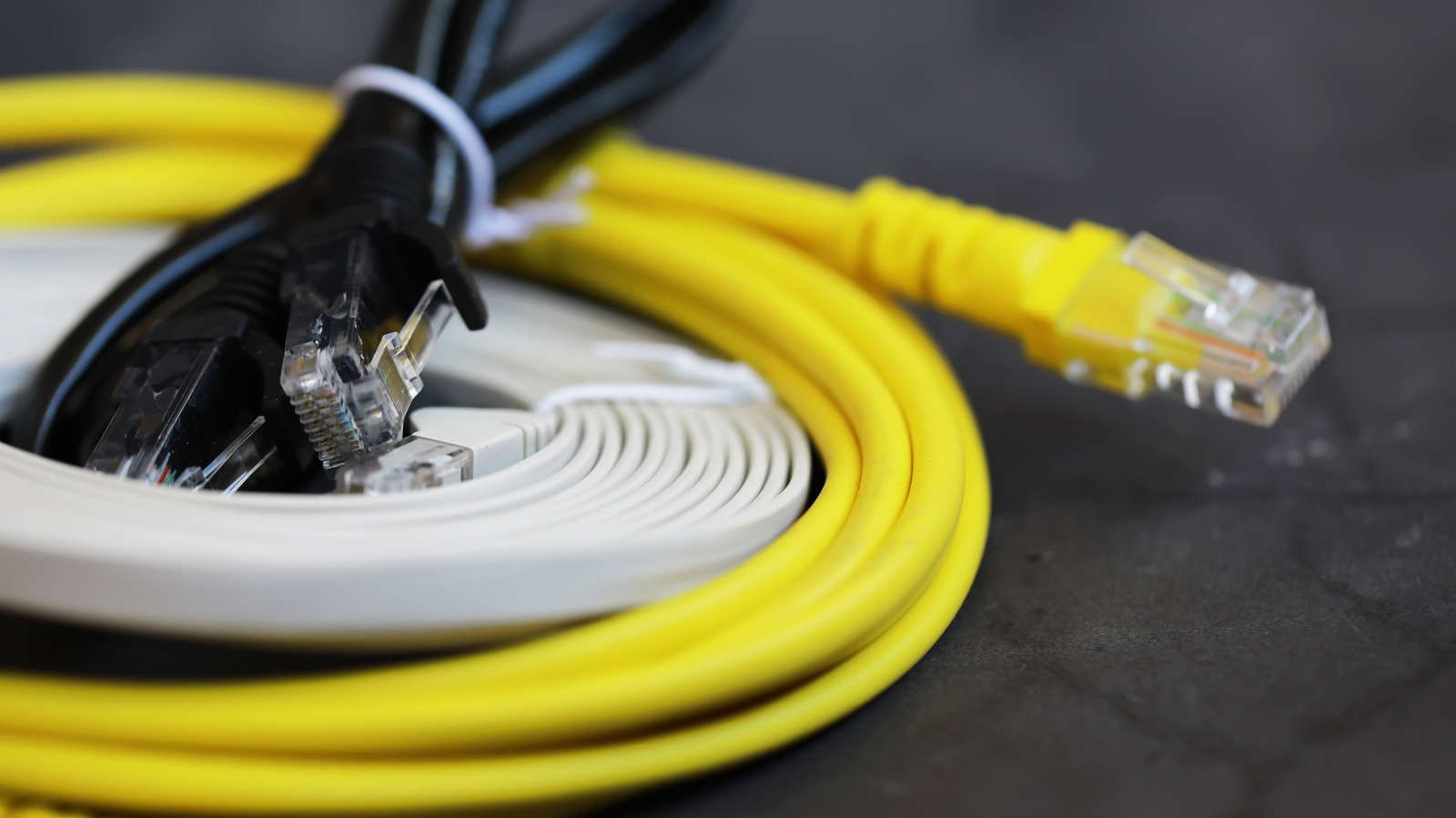
Although it is technically possible to pull a regular indoor Ethernet cable across a yard or along a building façade, most networking specialists caution that doing so is a bad idea because the cable is not built to survive the elements.
Standard Cat5e, Cat6 or higher‑grade cables sold for home or office wiring rely on a thin, flexible plastic jacket that protects the twisted‑pair conductors from everyday wear. That jacket offers little resistance to ultraviolet (UV) radiation, extreme temperature swings, moisture, or direct exposure to rain and snow. Over time, UV light can cause the jacket to become brittle, while water can seep into the insulation, leading to corrosion, signal loss and eventual failure of the link.
Manufacturers do produce “outdoor‑rated” Ethernet cable specifically for these conditions. Such cables feature UV‑stabilized jackets, gel‑filled or water‑blocking designs, and often a tougher outer sheath that can be buried or mounted in conduit. Many also carry a higher fire‑rating, such as plenum‑ or riser‑rated markings, to satisfy building‑code requirements that indoor cable typically does not meet.
Installation best practices reinforce the need for purpose‑built material. When an outdoor run is unavoidable, professionals recommend routing the cable through a conduit or protective sleeve, securing it at regular intervals, and, if burial is required, placing it at a depth prescribed by local codes—usually at least six inches below the surface. In addition, any exposed connectors should be housed in weather‑proof RJ45 enclosures to keep moisture out of the termination points.
For longer distances or especially harsh environments, many installers opt for fiber‑optic cable, which is immune to electromagnetic interference and can handle far greater lengths without degradation. When copper is preferred, the choice should be a cable expressly labeled for outdoor use, paired with proper grounding and shielding where needed. By following these guidelines, users can avoid costly outages and stay within safety regulations while still achieving reliable network connectivity beyond the walls of a building.



Comments (0)
Be the first to comment.
Join the discussion