Solar Flare Disrupts GPS, Triggers Autonomous Vehicle Failures
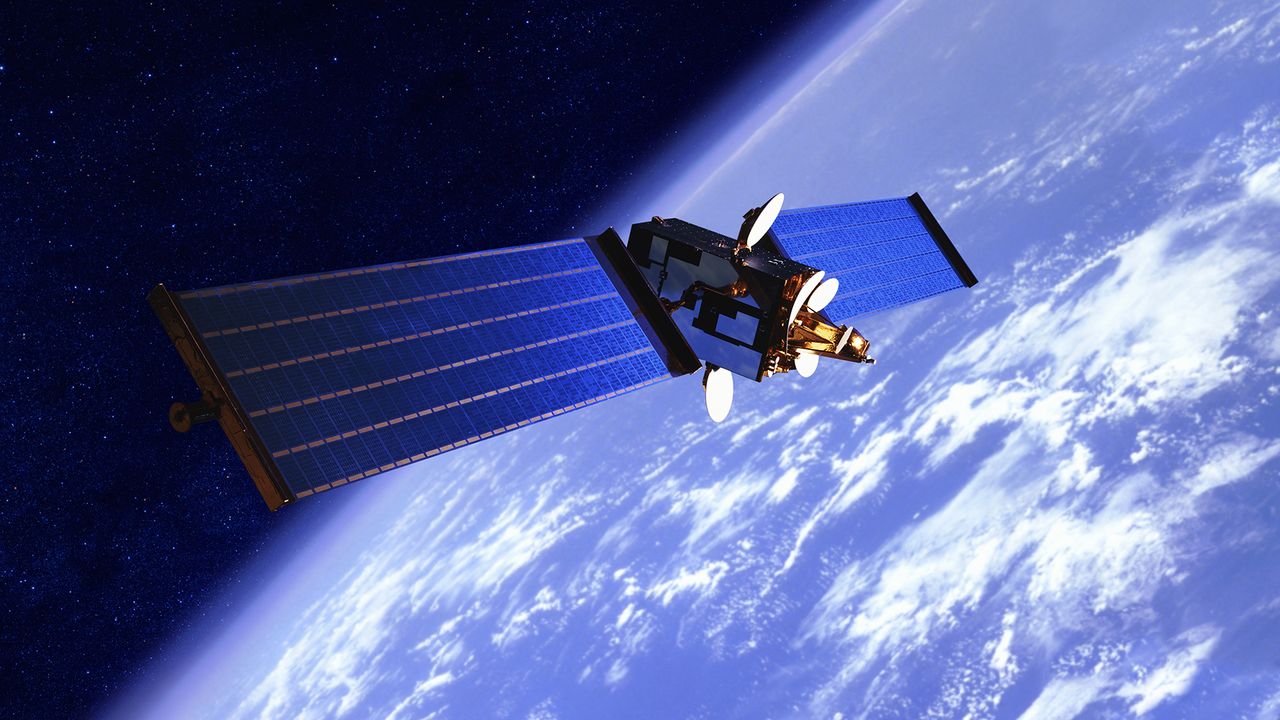
Scientists have confirmed that a recent solar storm produced a burst of radiation intense enough to corrupt GPS signals, leading to a series of malfunctions in self‑driving cars that rely on precise navigation data. The disturbance, recorded by space‑weather monitors, caused position errors that were large enough to force several autonomous vehicles to halt or revert to manual control, prompting safety alerts across affected fleets.
The incident highlights the vulnerability of modern transportation systems to space weather. While Earth’s magnetic field shields the planet from most solar particles, powerful flares can penetrate the ionosphere and temporarily degrade the accuracy of satellite‑based positioning services. In this case, the ionospheric irregularities introduced timing offsets that propagated through the GPS constellation, resulting in erroneous location fixes for devices that depend on them.
Automakers and technology providers responded by issuing emergency software updates designed to recognize and mitigate anomalous GPS data. The updates instruct vehicles to cross‑check satellite information against inertial sensors and, if discrepancies exceed a safety threshold, to transition to a fallback mode that reduces speed and alerts the driver. Industry spokespeople emphasized that the built‑in redundancy prevented any collisions, but the episode underscored the need for more robust safeguards.
Space‑weather agencies, including the U.S. National Oceanic and Atmospheric Administration, are reviewing the event to improve forecasting and warning protocols. By providing earlier alerts of geomagnetic disturbances, they aim to give operators of autonomous fleets a window to adjust navigation algorithms before signal degradation reaches critical levels. Experts note that as autonomous technology expands, coordination between satellite services and terrestrial systems will become increasingly essential.
The broader implications extend beyond transportation. GPS-dependent infrastructure such as power‑grid management, aviation, and maritime navigation can also experience disruptions during severe solar activity. While such storms are relatively rare, the growing reliance on satellite timing and positioning makes resilience a priority for policymakers and engineers alike. Ongoing research into alternative positioning methods and hardened satellite designs seeks to reduce the risk of future outages caused by space weather.


Comments (0)
Be the first to comment.
Join the discussion