Travelers Warned: Risks of Plugging iPhones into Airport USB Ports
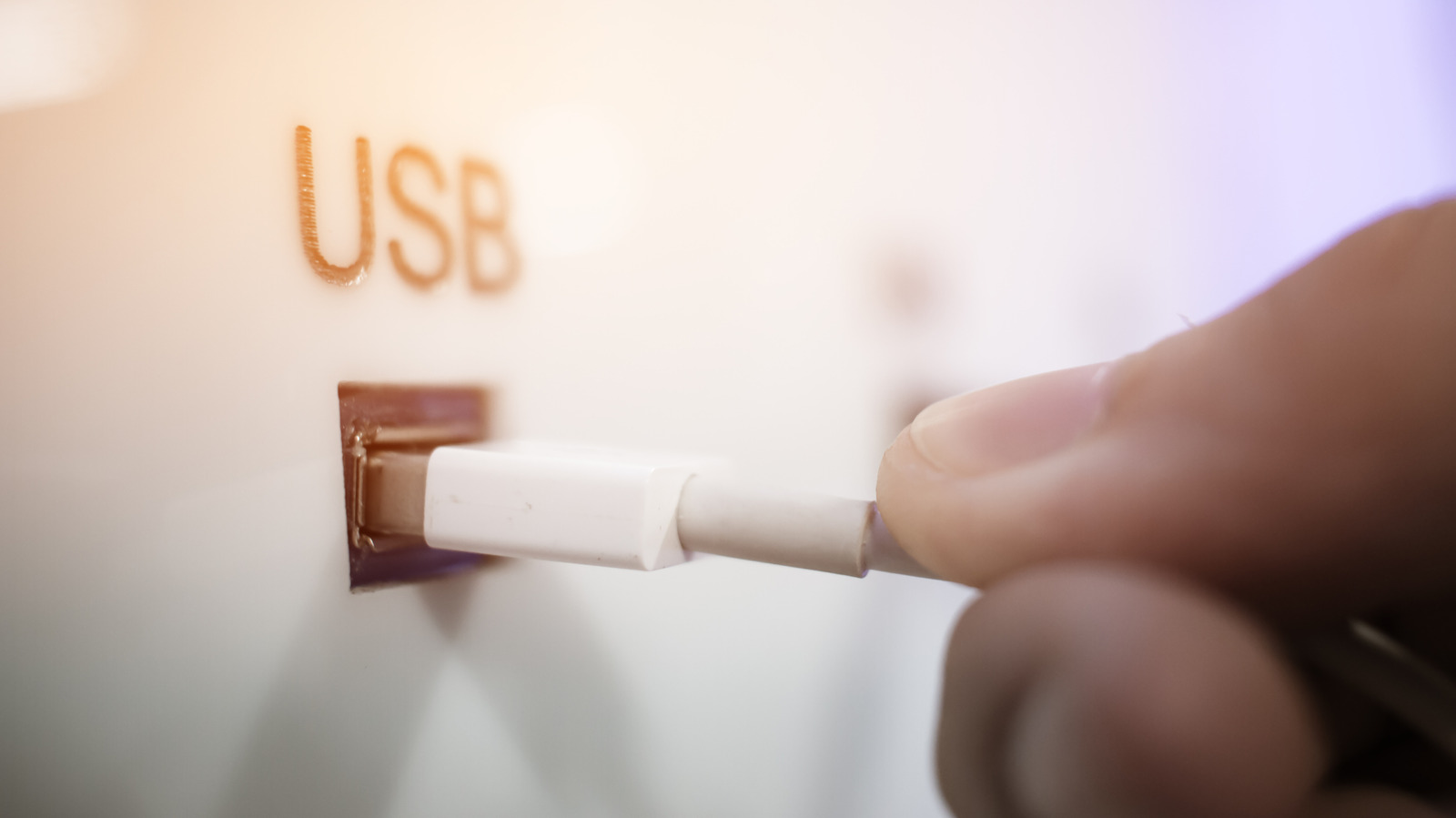
Charging an iPhone at an airport’s public USB outlet is not outright dangerous, but security experts caution that the practice carries a small but real risk that most travelers overlook.
Public USB stations are convenient, yet they can expose devices to two main hazards. First, a compromised port may deliver irregular voltage or current spikes that could stress a phone's battery or internal circuitry. Second, the data lines in a standard USB cable can be used to extract information or install malware if the port has been tampered with, a scenario sometimes referred to as "juice jacking."
Apple’s devices include built-in safeguards that limit the amount of power drawn and shut down charging when abnormal conditions are detected, which helps keep the likelihood of hardware damage low. However, those protections do not block the data connection, meaning a malicious charger could still attempt to read or write information from the phone.
To mitigate the risk, security‑savvy travelers can take a few simple steps. Using a personal charger plugged into a wall outlet eliminates the need for public USB ports altogether. If a wall socket is unavailable, a USB‑only power cable or a “data blocker”—a tiny adapter that disables the data pins while allowing electricity to flow—provides a low‑cost barrier against data theft. Carrying a portable power bank also offers a self‑contained charging solution that bypasses any public infrastructure.
Airports worldwide are becoming more aware of these concerns. Some terminals now label charging stations with warnings, and a growing number of airlines advise passengers to bring their own charging equipment. Nevertheless, the sheer volume of travelers and the variety of equipment in use mean that vigilance remains essential.
In short, while the probability of a catastrophic failure from an airport USB port is modest, the potential for data exposure is enough for experts to recommend using personal charging gear whenever possible. By adopting simple protective measures, passengers can keep their iPhones powered up without compromising security.



Comments (0)
Be the first to comment.
Join the discussion