El Niño Forecast Shows Unprecedented Six‑Month Stretch Into 2027
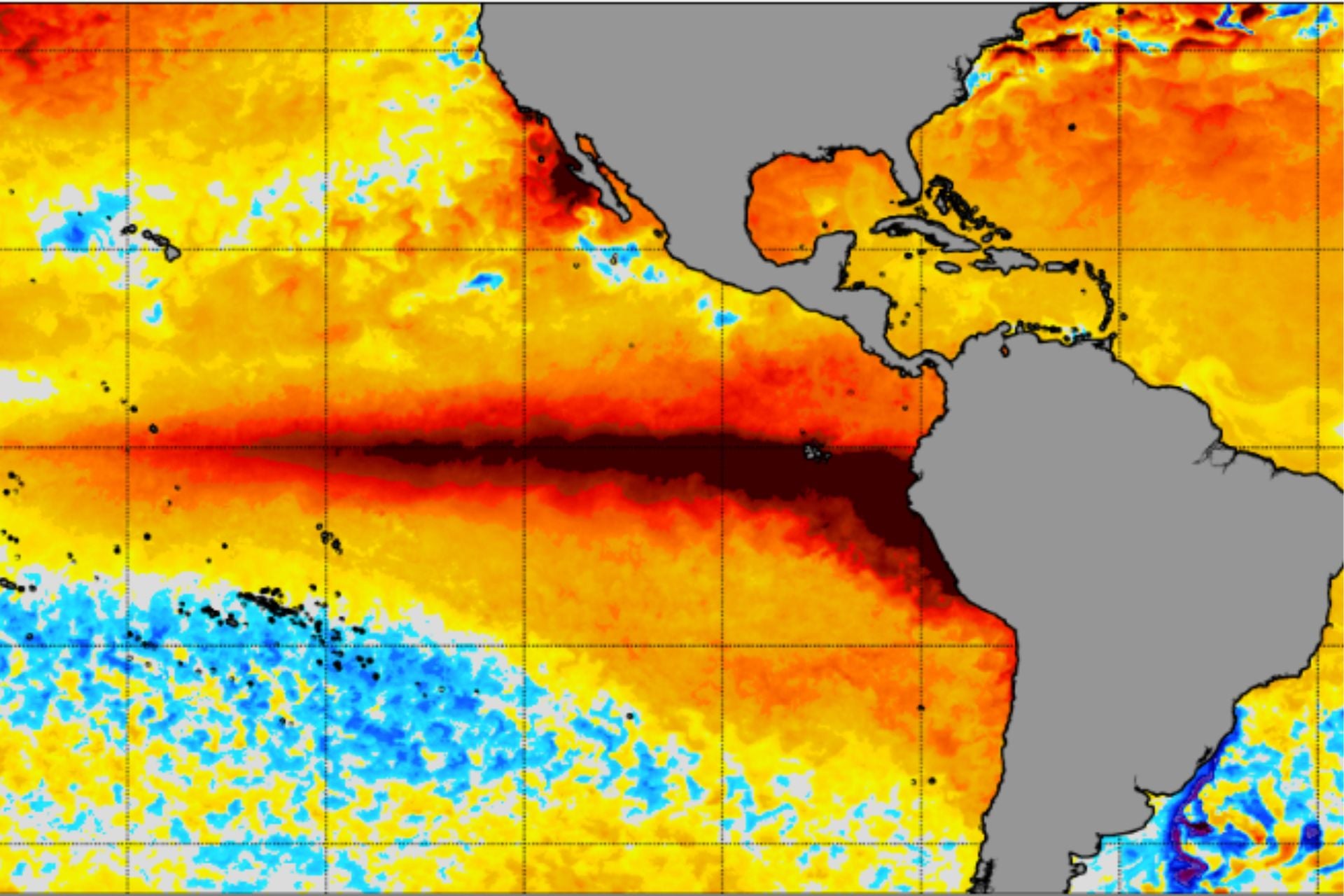
Climate scientists warn that the current El Niño event could defy typical seasonal patterns, persisting for six consecutive months and extending well into 2027, according to the latest suite of global climate models.
Unlike the usual two‑to‑three‑month peak, the projected longevity stems from a combination of unusually warm sea‑surface temperatures in the central Pacific and atmospheric feedbacks that reinforce the anomaly. Model ensembles from several research centers converge on a scenario where the heat pool remains above the historical threshold for an extended period.
The ramifications of a protracted El Niño are wide‑ranging. Regions that traditionally experience drought during El Niño, such as the southwestern United States, parts of Australia, and southern Africa, could face intensified dryness, while areas that typically see heightened rainfall, like the western coast of South America, may confront more severe flooding and landslides.
Historical records show that when El Niño episodes linger, agricultural yields suffer, water management systems are strained, and disaster response agencies are forced to allocate resources over a longer timeframe. The current forecast raises concerns for food security in vulnerable nations and could exacerbate already volatile commodity markets.
Experts emphasize that while the models indicate a higher probability of a six‑month event, uncertainties remain, especially regarding how oceanic currents will evolve and how quickly atmospheric patterns will adjust. Ongoing observations from satellite platforms and buoy networks will be critical to refine predictions as the season progresses.
Policymakers and emergency planners are urged to incorporate the extended timeline into preparedness strategies, from adjusting irrigation schedules to bolstering flood defenses. As the climate system continues to shift, the episode underscores the need for adaptable, science‑driven responses to extreme weather patterns that may become the new norm.



Comments (0)
Be the first to comment.
Join the discussion