RayNeo GT Max Debuts at IFA 2026 Offering Premium XR Features at a Fraction of the Cost
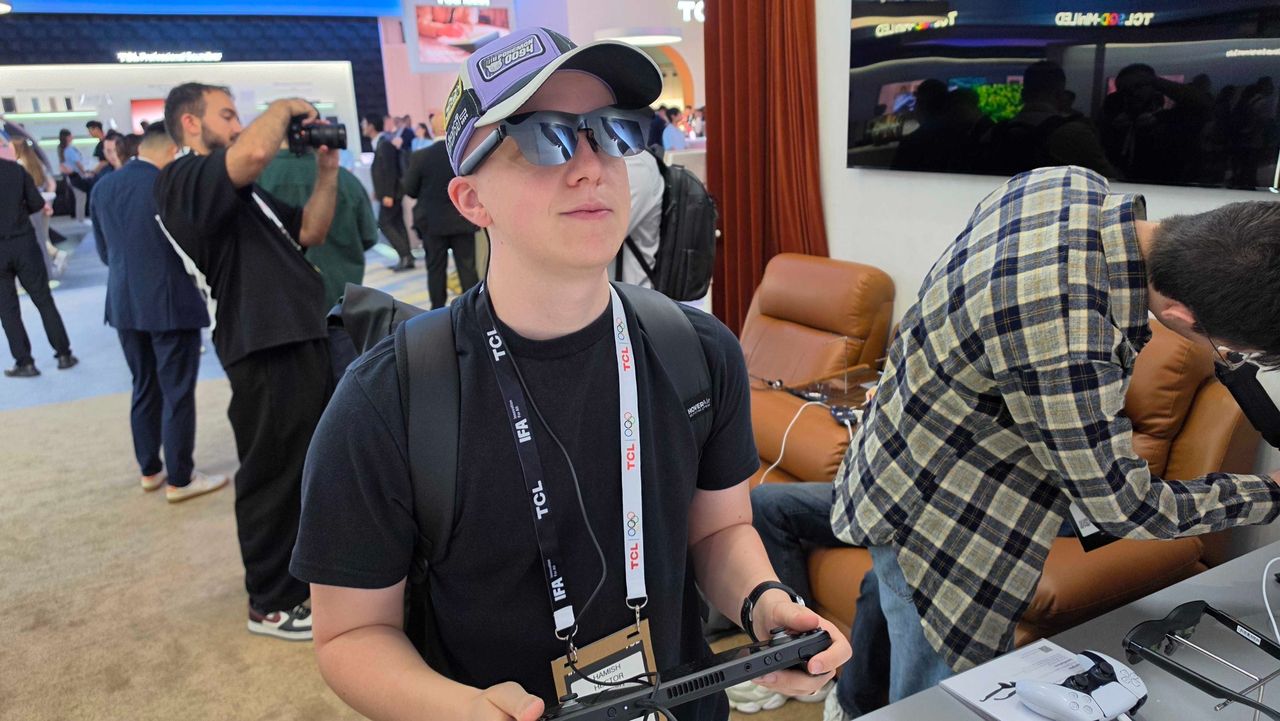
RayNeo introduced its GT Max mixed reality glasses at the IFA 2026 trade show, positioning them as a cost‑effective alternative to the market‑leading Xreal One Pro. Priced at $429 in the United States and £399 in the United Kingdom, the device arrives with a price tag roughly one‑third lower than its closest competitor, prompting early interest from both consumers and industry observers.
The GT Max incorporates a suite of visual technologies that the company says bring its display quality up to par with premium models. Chief among these is support for Dolby Vision, a high‑dynamic‑range (HDR) standard that expands colour depth and contrast. In addition, RayNeo has introduced a new optic‑engine prism architecture designed to deliver a wider field of view while keeping the form factor lightweight enough for prolonged wear.
Reviewers who previously placed the Xreal One Pro at the top of their XR glasses rankings have noted that RayNeo’s offering has narrowed the gap. The GT Max’s combination of advanced optics and a substantially reduced price has led some to label it a “new favorite” among the limited selection of consumer‑grade mixed‑reality headsets currently available. The shift reflects a broader trend toward more affordable high‑performance devices as manufacturers seek to expand the user base beyond early adopters.
From a technical standpoint, Dolby Vision integration means the GT Max can render HDR content with peak brightness levels that exceed 1,000 nits, delivering richer highlights and deeper shadows. The prism‑based optical engine, meanwhile, employs a series of high‑index glass elements that redirect light to create a larger virtual image without increasing the distance between the lenses and the eyes. This design reduces eye strain and improves immersion, two factors that have traditionally limited longer sessions with mixed‑reality hardware.
The pricing strategy aligns with a competitive market that includes offerings from Meta, Apple and other emerging players. By undercutting the Xreal One Pro by roughly 30 percent, RayNeo hopes to attract budget‑conscious consumers who might otherwise defer a purchase. Analysts suggest that such price pressure could accelerate the adoption curve for XR glasses, encouraging developers to produce more native content and retailers to allocate shelf space for a broader range of models.
Looking ahead, RayNeo plans to roll out software updates that will refine tracking accuracy and expand the catalog of supported applications. Early sales figures from the post‑IFA launch period have not been disclosed, but the company’s confidence in the GT Max suggests it expects the headset to play a significant role in shaping the next wave of consumer mixed‑reality experiences. Industry watchers will monitor user feedback to gauge whether the price‑performance balance holds up over time.



Comments (0)
Be the first to comment.
Join the discussion