Rabies Outbreak Traced to Infant Goats Prompts Wide-Scale Contact Tracing
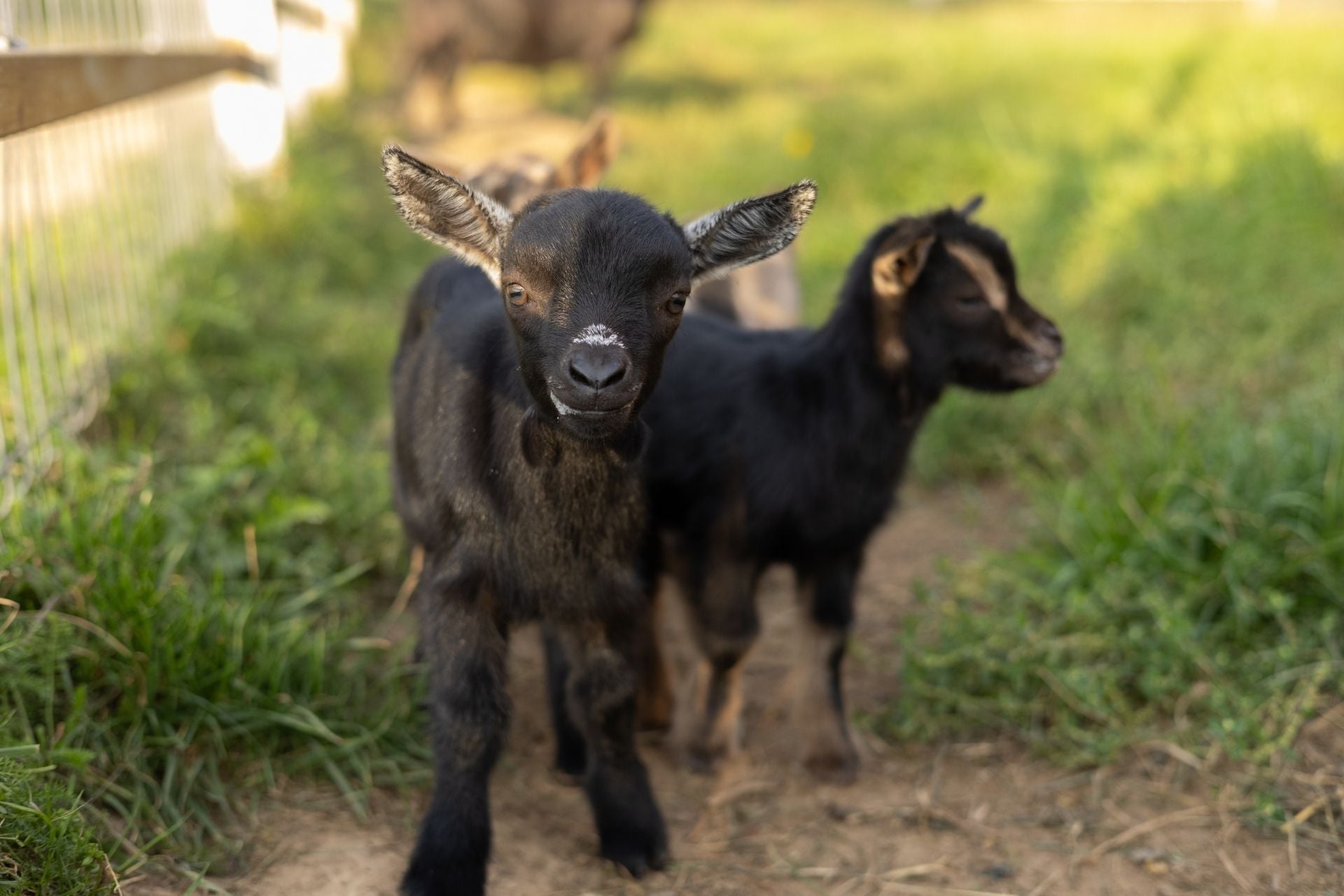
Public health officials in the region have launched an urgent effort to locate anyone who has handled a group of baby goats recently discovered to be infected with rabies, a deadly viral disease that can affect both animals and humans.
The investigation began after veterinarians reported that several newborn goats displayed classic signs of rabies, including excessive salivation and aggression. Laboratory testing confirmed the diagnosis, prompting the county health department to issue alerts to farms, petting zoos, and private owners who might have interacted with the animals.
Preliminary findings suggest that the source of the outbreak was a skunk that likely came into contact with the goat kids about a month ago. Skunks are known reservoirs for the rabies virus and can transmit it through bites or contaminated saliva. While the exact chain of transmission remains under review, officials say the timing aligns with the incubation period typical for the disease in goats.
Rabies is almost invariably fatal once symptoms appear, but prompt post‑exposure prophylaxis (PEP) can prevent the virus from taking hold in humans. Health workers are therefore reaching out to anyone who may have petted, fed, or otherwise touched the kids, advising them to seek medical evaluation and, if indicated, begin the vaccine series. The campaign includes phone calls, flyers, and social‑media posts aimed at rural communities where contact with farm animals is common.
Authorities stress that the situation, while serious, is contained. No human cases have been reported to date, and the infected goats have been humanely euthanized to halt further spread. The incident underscores the importance of routine rabies vaccination for domestic animals and vigilance when wildlife enters agricultural settings. Officials plan to review farm biosecurity measures and consider enhanced monitoring of wildlife that frequently interacts with livestock, aiming to prevent similar episodes in the future.



Comments (0)
Be the first to comment.
Join the discussion