Proton VPN Extends Anti-Censorship Stealth Protocol to Linux Users
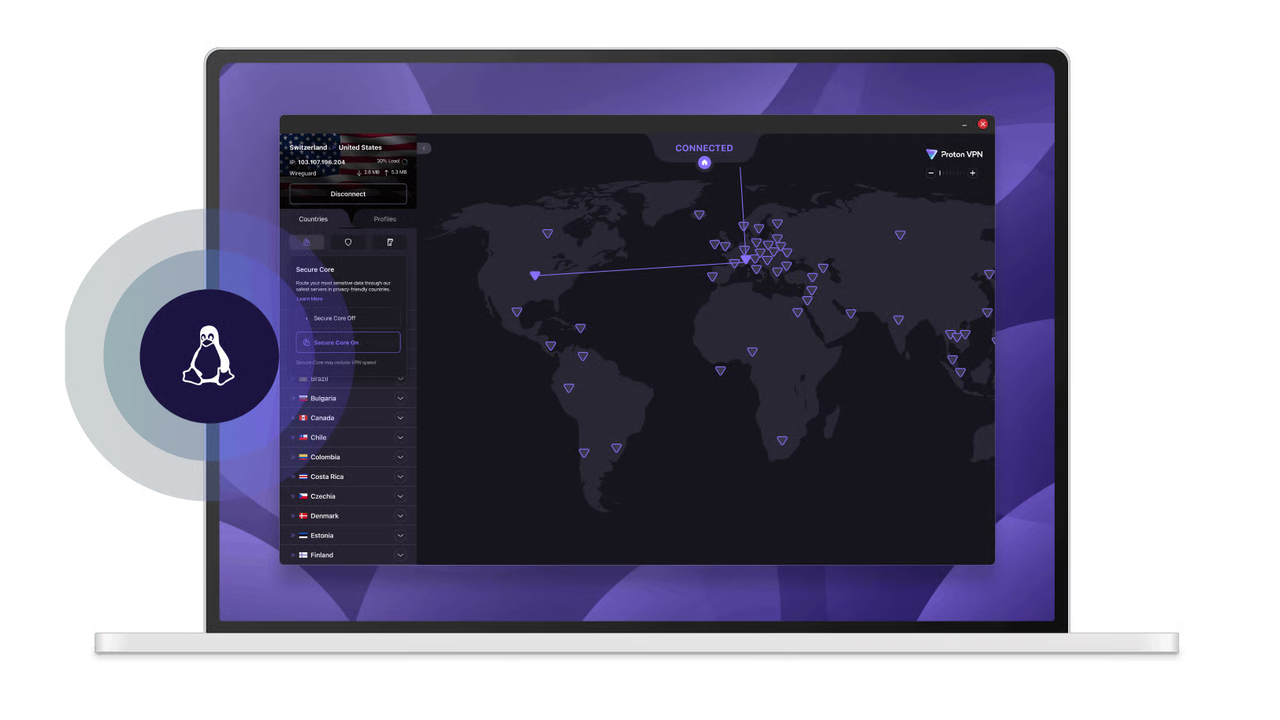
Proton VPN has announced the beta availability of its advanced Stealth protocol for Linux GUI users, marking a significant enhancement in digital freedom tools for the open-source community. This obfuscation feature is designed to disguise VPN traffic, making it considerably more difficult for sophisticated censorship systems to detect and block.
The Stealth protocol operates by making encrypted VPN connections appear as regular, unencrypted internet traffic. This clever technique allows users to bypass network restrictions that would otherwise identify and block standard VPN connections, a common tactic employed by governments and internet service providers in regions with strict online censorship.
The introduction of Stealth on Linux is particularly impactful for users in territories where internet access is heavily controlled. By providing a robust method to circumvent state-level firewalls and surveillance, Proton VPN aims to empower individuals to access information freely and communicate securely, upholding fundamental digital rights.
For open-source enthusiasts, this release represents a major victory. Linux operating systems are often chosen by users who prioritize transparency, control, and privacy, aligning well with the objectives of anti-censorship technologies. The beta currently supports popular distributions including Debian, Ubuntu, and Fedora, ensuring a broad initial reach within the Linux ecosystem.
Proton VPN has long been recognized for its commitment to privacy and security, developing tools that help users maintain anonymity and bypass restrictions worldwide. The integration of the Stealth protocol into its Linux client underscores this dedication, expanding access to crucial circumvention capabilities on a platform favored by many privacy-conscious individuals.
While currently in its beta phase, the release signals an ongoing commitment to refining and broadening the availability of this critical feature. Users of the supported Linux distributions can now test the protocol and provide feedback, contributing to its eventual stable release and potential expansion to other systems.
This development comes as digital censorship continues to evolve globally, making advanced obfuscation techniques increasingly vital. By equipping Linux users with the Stealth protocol, Proton VPN is reinforcing its position at the forefront of the battle for an open and accessible internet, ensuring that more people have the tools to navigate a restricted online landscape.


Comments (0)
Be the first to comment.
Join the discussion