Price Tag Doesn’t Equal Performance: What to Know Before Buying an Ethernet Cable
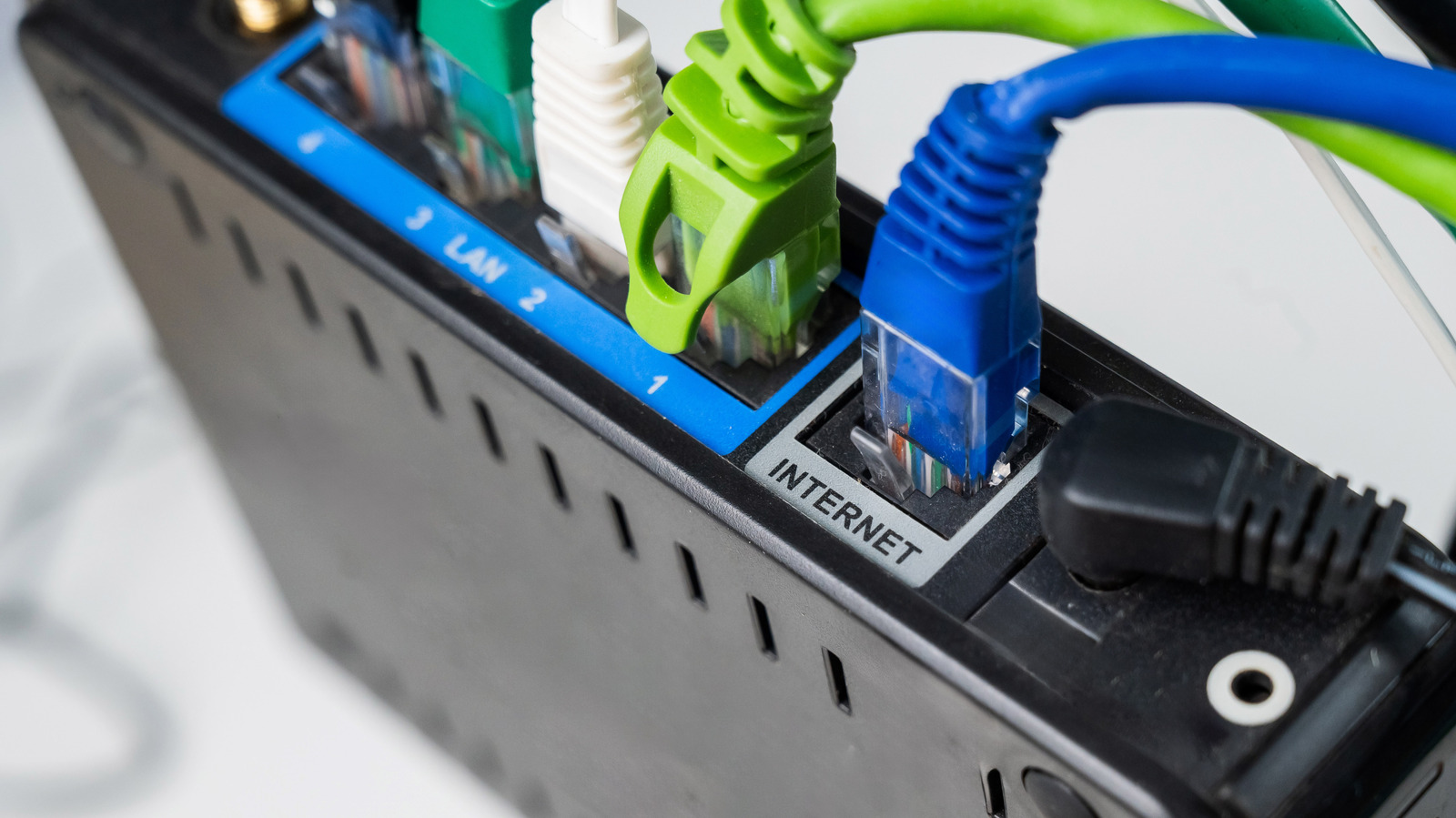
Consumers often assume that a higher price tag on an Ethernet cable translates into faster or more reliable network speeds, but industry standards tell a different story. For most home and office setups, a modestly priced cable that meets the appropriate category rating will deliver the same throughput as a premium‑priced alternative.
Ethernet speed is governed primarily by the cable’s category designation—such as Cat5e, Cat6, Cat6a, or Cat7—and by the capabilities of the networking equipment at each end. A Cat5e cable, for example, is rated for up to 1 Gbps over 100 meters, while Cat6 can sustain 10 Gbps but only up to about 55 meters. As long as the cable matches or exceeds the speed supported by the router, switch, or NIC, the actual data rate is dictated by those devices, not by the cost of the wire.
Independent testing consistently shows that inexpensive cables meeting the same category specifications perform on par with their expensive counterparts. When the conductors, twists per inch, and shielding conform to the TIA/EIA standards, the electrical characteristics—impedance, attenuation, and crosstalk—remain within the tolerances required for the advertised speeds. In short, a properly built, budget‑friendly Cat6 cable will carry a 10 Gbps signal just as effectively as a high‑end, gold‑plated version, provided the run is short enough and the environment is typical.
There are scenarios where a pricier cable can offer tangible benefits. Long runs that approach the maximum length for a given category, installations in environments with strong electromagnetic interference (such as near heavy machinery or large power lines), or future‑proofing for anticipated upgrades may justify extra shielding, higher‑grade conductors, or stricter quality control. Professionals often select such cables to guarantee performance margins in data centers, industrial settings, or high‑density office spaces.
The market, however, is flooded with marketing language that equates “gold‑plated connectors” or “mil‑spec shielding” with speed gains that most users will never notice. Retailers frequently price these features at a premium, creating confusion for shoppers who simply need a reliable link for streaming, gaming, or remote work. Understanding that the critical factor is the cable’s category rating—and that any cable meeting that rating should perform equally well—helps cut through the hype.
For most consumers, the practical advice is straightforward: identify the speed you need, choose a cable that meets the corresponding category, and buy from a reputable manufacturer that guarantees compliance with the official standards. Investing in a higher‑priced cable may be worthwhile only for specialized installations or when extra durability is required. As Ethernet standards continue to evolve, the baseline performance of affordable, standards‑compliant cables is likely to remain sufficient for everyday use, keeping the price‑to‑performance ratio firmly in favor of the budget option.



Comments (0)
Be the first to comment.
Join the discussion