River Meon Sees Thriving Water Vole Population Following Reintroduction Efforts
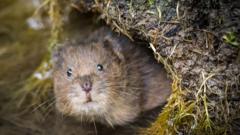
Hampshire's River Meon is now home to a flourishing population of water voles, marking a significant triumph for local conservation initiatives. Recent and regular surveys conducted along the waterway have confirmed the successful reintroduction of these once-endangered rodents, offering a beacon of hope for wildlife recovery efforts across the region.
Water voles, often recognized by their round faces and short tails, are semi-aquatic mammals integral to healthy river ecosystems. Historically widespread across the United Kingdom, their numbers suffered a dramatic decline over the past century, leading to their classification as one of the country's most rapidly diminishing mammals. This success story on the River Meon illustrates the potential for targeted conservation to reverse such trends.
The decline of water voles has been attributed to a combination of factors, including habitat loss due to development and changes in agricultural practices, as well as water pollution. However, a primary driver of their plummeting numbers was the introduction and spread of the non-native American mink, an efficient predator that decimated vulnerable vole populations.
In response to this ecological crisis, dedicated conservation groups and environmental agencies embarked on ambitious reintroduction programs. These projects typically involve careful habitat restoration, such as bankside vegetation management and creating suitable burrowing sites, followed by the release of water voles often sourced from captive breeding programs or relocated from healthy wild populations.
The sustained efforts along the River Meon have clearly paid dividends. Survey methodologies, which often involve meticulous searches for tell-tale signs like burrows, feeding remains, and droppings – a process sometimes informally referred to as 'poles and holes' due to the tools and techniques involved – have consistently yielded positive results, indicating a robust and expanding vole community.
This achievement extends beyond the mere survival of a single species. The presence of a healthy water vole population is often considered an indicator of a thriving river environment, as their habitat requirements overlap with those of numerous other species. Their return signifies improved biodiversity and ecological balance within the River Meon catchment, benefiting the entire local ecosystem.
Looking ahead, the ongoing monitoring of the River Meon's water voles will be crucial to ensure their long-term stability and to inform future conservation strategies. This success provides a valuable blueprint for other reintroduction projects and underscores the importance of continued investment in habitat protection and species recovery programs to safeguard Britain's native wildlife for generations to come.


Comments (0)
Be the first to comment.
Join the discussion