Unexplained Signal Detected by Physicists Raises Possibility of Dark Matter Discovery
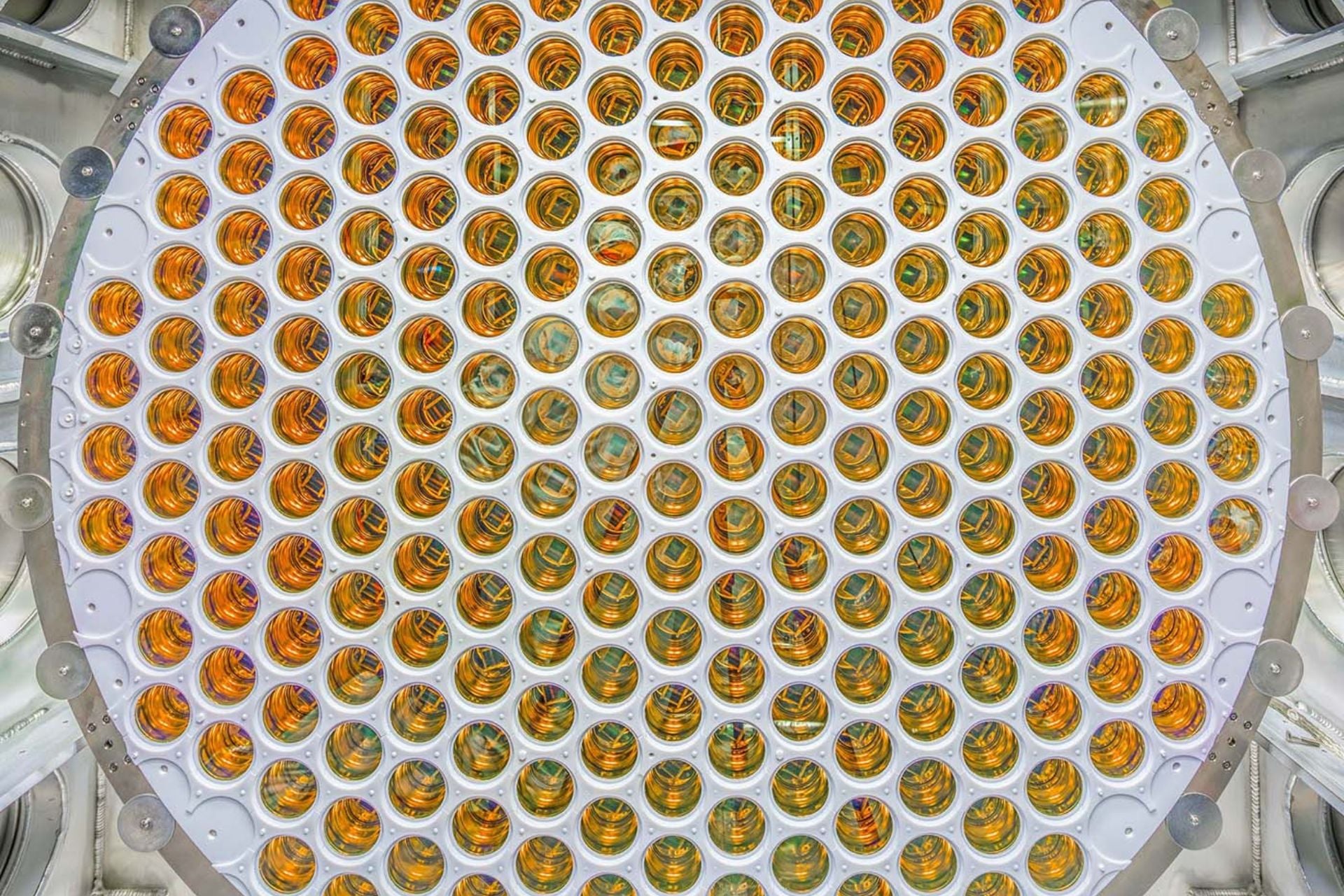
A collaboration of researchers announced Tuesday that they have observed an anomalous signal in a deep‑underground detector that does not correspond to any known background source, igniting speculation that the event could be the first direct glimpse of dark matter or an entirely new physical phenomenon.
Dark matter, the invisible substance thought to make up roughly 85 percent of the universe’s matter, has been inferred from the way galaxies rotate, the bending of light around massive clusters, and the pattern of temperature fluctuations in the cosmic microwave background. Despite decades of increasingly sensitive experiments, a definitive detection of dark matter particles has remained elusive.
The team, operating a low‑background apparatus shielded by rock and water to block cosmic radiation, reported a modest excess of interaction events clustered around a specific energy range after months of continuous data‑taking. Extensive checks for radioactive contamination, detector noise, and stray particles failed to produce a conventional explanation, prompting the scientists to label the pattern as “unexplained” pending further study.
If the excess originates from collisions between dark matter particles and the detector’s target material, it would constitute the first direct evidence of such particles, lending weight to theories that posit weakly interacting massive particles or other candidates. Conversely, the signal could hint at physics beyond the Standard Model that has yet to be identified, a prospect that would reshape fundamental understanding of the cosmos.
Lead investigators emphasized caution, noting that extraordinary claims demand independent verification. The raw data have been made available to other collaborations, and the group plans additional runs with upgraded sensors to test whether the anomaly persists under altered conditions.
The announcement has already prompted a wave of re‑analysis across the global network of dark‑matter experiments, many of which are now scanning their archives for similar signatures. Funding agencies are also taking note, with several proposals for next‑generation detectors citing the new result as a potential catalyst for accelerated development.
In the weeks and months ahead, the physics community will watch closely for corroborating evidence or refutation. Whether the signal ultimately confirms the presence of dark matter or uncovers a different mystery, it underscores the persistent challenges and enduring excitement of probing the unseen components of our universe.


Comments (0)
Be the first to comment.
Join the discussion