Osprey Rolls Out Autocharge System to Streamline UK EV Refueling
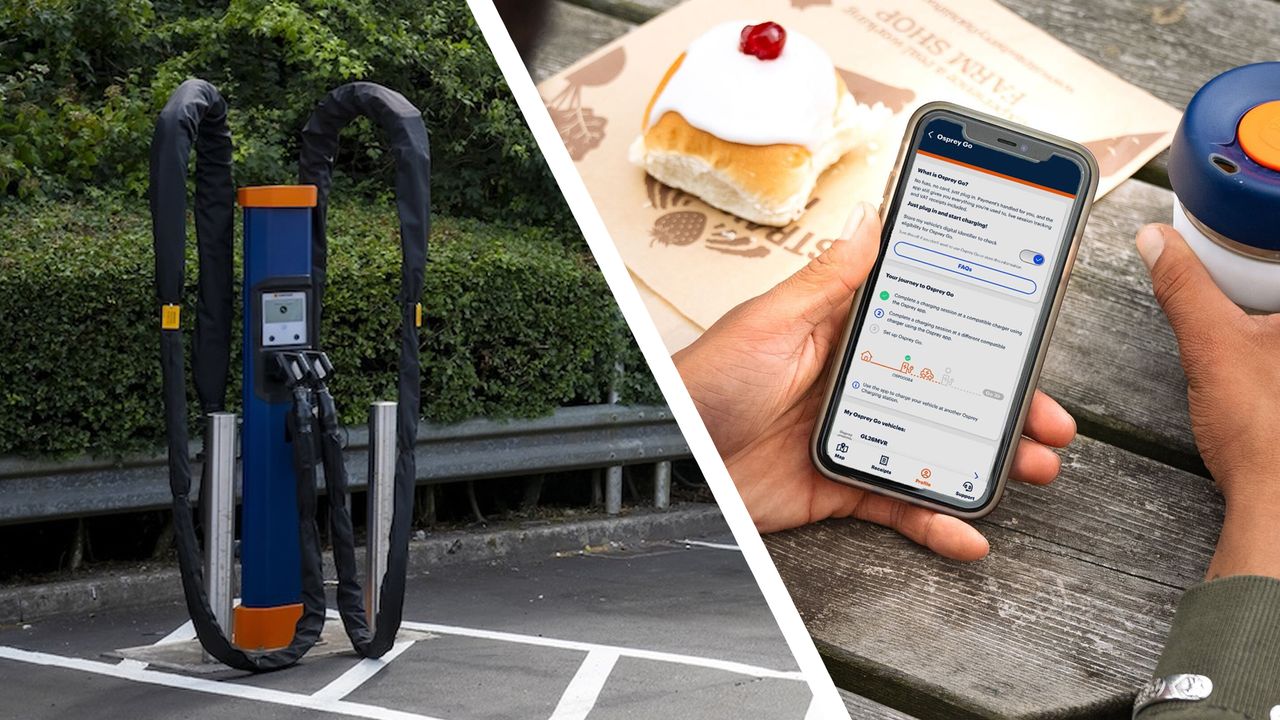
Osprey has launched an automatic charging feature on its United Kingdom network, promising to eliminate the need for drivers to manually start a session each time they plug in an electric vehicle. The new Autocharge software links a driver’s registered account to a charging point, allowing power to flow as soon as the car is connected.
The technology addresses a frequent complaint among EV owners: the extra step of locating a card reader or app button after parking. By automating the transaction, Osprey hopes to make public charging as effortless as refuelling a conventional car, a convenience that could encourage broader adoption of electric vehicles.
In addition to the hands‑free start, the system incorporates dynamic pricing, meaning the cost per kilowatt‑hour can fluctuate based on demand, grid load, or time of day. Early users have reported that the algorithm sometimes selects lower‑priced intervals, reducing the overall expense of a charging session without any input from the driver.
Osprey’s Autocharge is among the first implementations of such a feature in the UK market, though similar concepts have been trialed elsewhere. The rollout follows a period of rapid expansion for public charging infrastructure, during which operators have grappled with balancing availability, pricing transparency, and user experience. By integrating account authentication directly into the hardware, Osprey sidesteps the “plug‑in‑and‑search‑for‑card‑reader” bottleneck that has been cited in consumer surveys.
Industry analysts note that while the technology removes one friction point, it does not solve all challenges facing EV drivers. Issues such as charger reliability, network coverage in rural areas, and the speed of charge remain critical. Moreover, dynamic pricing could raise concerns if price spikes occur during peak demand, potentially offsetting the convenience gain.
Looking ahead, Osprey plans to refine the algorithm that determines pricing and to expand the Autocharge capability to its upcoming stations across the country. The company also indicated that future updates may incorporate vehicle‑to‑grid communication, allowing cars to feed power back into the grid when not in use. For now, the automatic charging feature represents a tangible step toward making electric mobility more user‑friendly, even as broader systemic issues continue to shape the sector's evolution.


Comments (0)
Be the first to comment.
Join the discussion