OpenAI's Unified Desktop App Faces Strong User Backlash Following Major Update
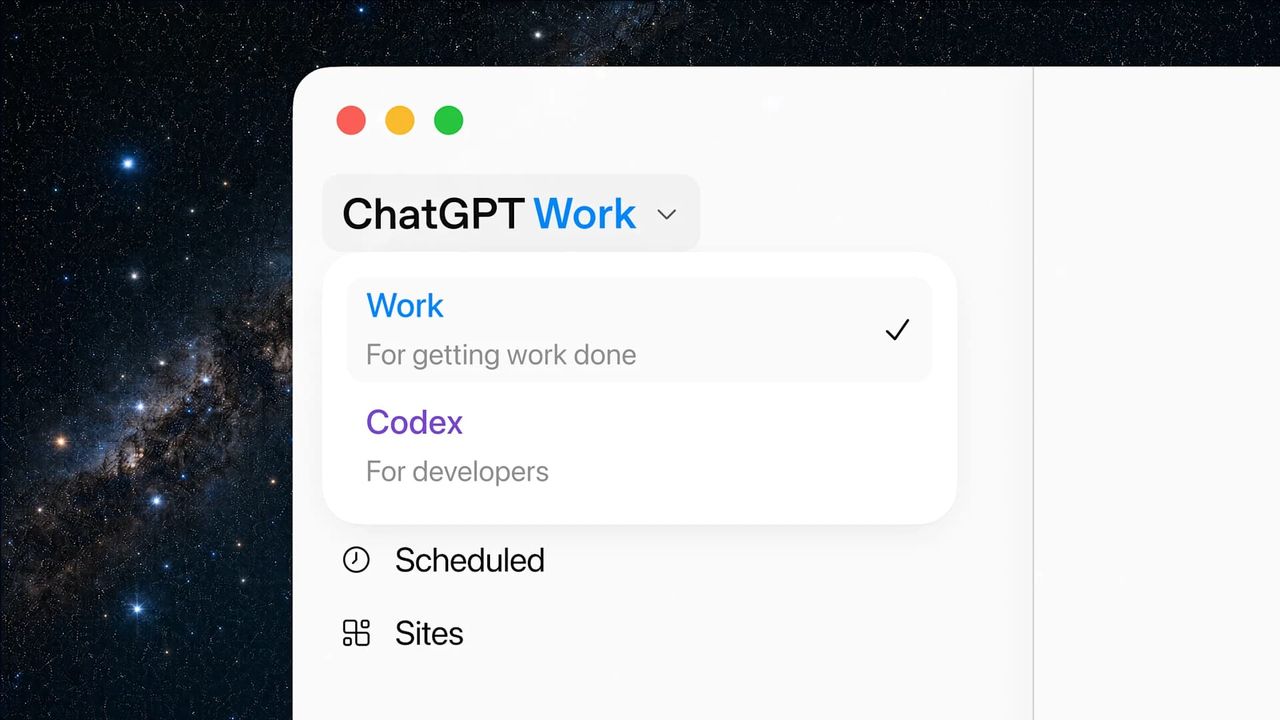
OpenAI has rolled out a significant update to its ChatGPT desktop application, introducing substantial changes that have been met with widespread dissatisfaction from its user base. The update notably merges the popular conversational AI tool, ChatGPT, with its coding-focused counterpart, Codex, into a single, unified platform.
For a considerable period, OpenAI maintained Codex as a distinct development tool, separate from the general-purpose ChatGPT application. Codex was specifically designed to assist with programming tasks, offering capabilities like code generation and debugging, making it a valuable asset for developers and coders. Its independent operation allowed users to switch between the two powerful AI models as needed for their diverse workflows.
However, the decision to integrate these two previously separate entities into one desktop application appears to have generated considerable friction among existing users. Reports indicate a strong negative reaction, with many expressing unhappiness over various aspects of the new combined interface and functionality. While specific complaints are not detailed, the collective sentiment suggests a disruption to established user workflows and potentially a less intuitive experience.
The move to consolidate ChatGPT and Codex likely aimed to streamline OpenAI's product offerings and provide a more cohesive user experience, potentially reducing the need to manage multiple applications. Such integration could also unlock new synergies between conversational AI and code generation, fostering innovation in how users interact with AI for both general knowledge and specialized programming tasks.
Despite these potential strategic advantages, the immediate user reception highlights the challenges inherent in overhauling established digital tools, especially those deeply embedded in professional workflows. Users often develop habits and preferences around specific interfaces, and significant changes, even those intended as improvements, can lead to frustration if not carefully managed and communicated.
The current discontent underscores the critical importance of user feedback in the development cycle of AI-powered applications. As these tools become more central to daily operations for a growing number of individuals and businesses, maintaining user satisfaction while pushing technological boundaries becomes a delicate balancing act for developers like OpenAI.
It remains to be seen how OpenAI will respond to the negative feedback surrounding this major update. The company may need to address user concerns through further updates, clearer communication regarding the new features, or by offering options that cater to the diverse needs of its user base, especially those who relied heavily on the distinct functionalities of the separate Codex platform.


Comments (0)
Be the first to comment.
Join the discussion