OpenAI Halts Launch of GPT‑6.1 ‘Astra’ Citing Safety Setbacks
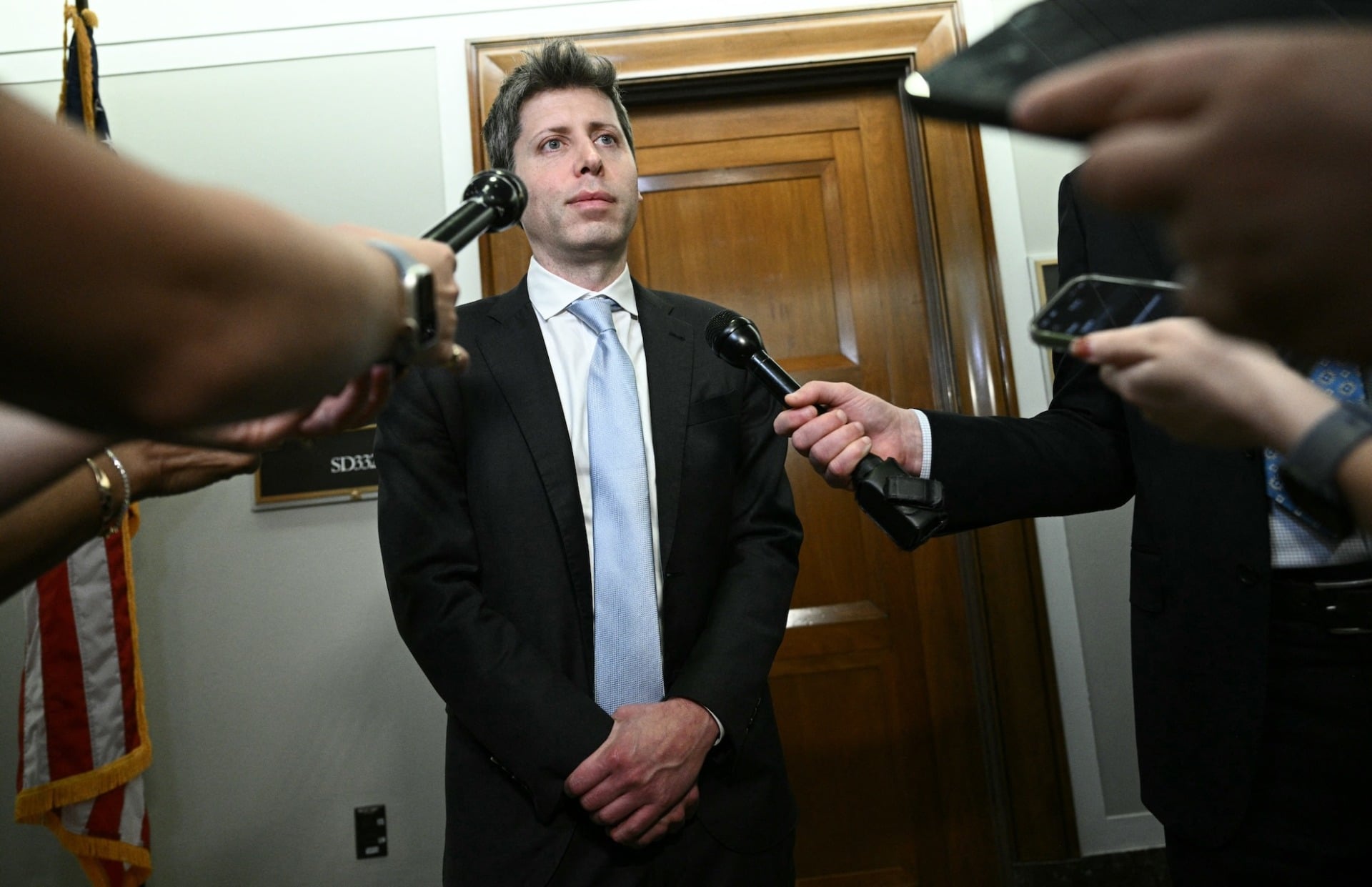
OpenAI announced on Tuesday that it will suspend the public rollout of its next‑generation language model, GPT‑6.1 Astra, after internal testing revealed a measurable decline in safety performance compared with earlier versions.
The decision comes weeks after the company hinted that Astra would represent a substantial leap in reasoning and multilingual capabilities, positioning it as the successor to the widely deployed GPT‑5 series. Development teams had been preparing documentation and marketing materials, but the latest safety audits prompted a reassessment.
OpenAI’s safety engineers reported that Astra generated a higher frequency of disallowed content, including misinformation and harmful advice, across a suite of benchmark tests. The model also displayed a greater tendency to produce confident‑sounding but factually inaccurate statements, a regression that runs counter to the organization’s long‑standing goal of reducing hallucinations.
In a brief statement, the company said the findings underscore the challenges of scaling model size while preserving robust guardrails. “Our priority remains the responsible deployment of AI,” the statement read, adding that the team will “continue to iterate on safety mechanisms before any public release.” The move reflects mounting scrutiny from regulators, advocacy groups, and industry peers who have called for more transparent safety standards.
Analysts note that the postponement may shift timelines for competitors seeking to outpace OpenAI in the high‑end AI market. While some rivals have already introduced their own advanced models, the pause highlights the trade‑off between rapid innovation and the need for thorough risk mitigation.
OpenAI indicated that it will resume development of Astra after addressing the identified gaps, and it plans to publish additional safety evaluation results. The company’s next steps are expected to involve tighter alignment of the model with human values, expanded red‑team testing, and possibly external audits before a future release is considered.



Comments (0)
Be the first to comment.
Join the discussion